
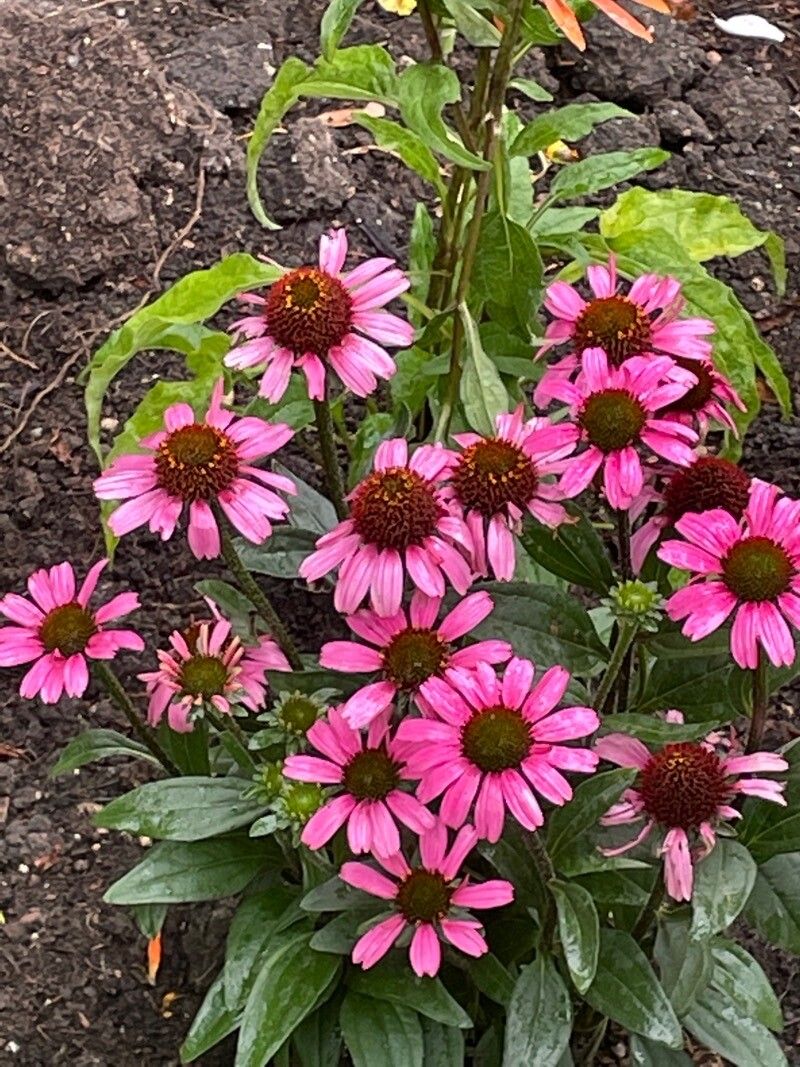
Resurrecting the Rarest Sunflower: Propagating the Tennessee Coneflower (Echinacea tennesseensis)
The plant world is full of fascinating stories, and the Tennessee Coneflower (Echinacea tennesseensis) is a real page-turner. Once believed to be extinct, this rare and beautiful wildflower has made a remarkable comeback thanks to dedicated conservation efforts. Now, you can be part of its story by learning how to propagate this botanical survivor in your own backyard.
A Tale of Two Methods: Seeds and Divisions
Propagating Echinacea tennesseensis can be achieved through two primary methods:
1. Starting from Seed: A Rewarding Challenge
Planting seeds offers the satisfaction of nurturing a plant from its very beginning. While slightly more challenging than division, it’s achievable with the right approach:
- Timing is Key: Sow seeds in late fall or early spring, mimicking their natural cycle. Cold stratification (exposing seeds to cold temperatures) is crucial for germination.
- Sowing the Seeds: Plant seeds in a well-draining seed starting mix, barely covering them with soil. Keep the soil consistently moist but not soggy.
- Patience is a Virtue: Germination can take anywhere from a few weeks to a couple of months, so don’t despair if you don’t see sprouts immediately.
2. Division: Sharing the Love (and the Clumps)
Dividing established plants is a quicker and generally more successful method for propagation:
- The Right Time: Divide plants in early spring or fall when the weather is cooler.
- Digging Deep: Carefully dig up a healthy clump of Echinacea tennesseensis, ensuring you get the entire root system.
- Separating with Care: Gently tease apart the clump into smaller sections, each with a good amount of roots and shoots.
- Replanting Success: Replant the divisions immediately in well-prepared soil, ensuring the crown (where the roots meet the stems) is level with the ground.
Creating a Haven for the Tennessee Coneflower
Whether you choose seeds or divisions, mimicking the Tennessee Coneflower’s preferred growing conditions is vital for success:
- Sunny Disposition: This sun-loving species thrives in at least six hours of direct sunlight per day.
- Well-Drained Soil: While adaptable, the Tennessee Coneflower prefers well-drained soil that doesn’t stay waterlogged.
- Dry Spells are A-Okay: Once established, this drought-tolerant plant only requires watering during extended dry periods.
A Rewarding Endeavor
Propagating the Tennessee Coneflower isn’t just about adding beauty to your garden; it’s about participating in the conservation of this special plant. By planting and nurturing this once-endangered species, you’re playing a role in ensuring its survival for generations to come. Imagine the joy of watching these resilient wildflowers flourish in your yard, knowing you had a hand in their resurgence.