
Propagating the Fendler’s Hedgehog Cactus (Echinocereus fendleri): A Guide for Enthusiasts
Introduction:
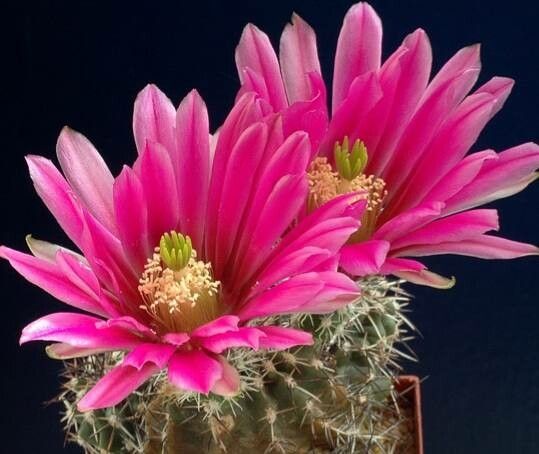
Echinocereus fendleri, commonly known as the Fendler’s hedgehog cactus, is a captivating succulent native to the southwestern United States and northern Mexico. This relatively low-growing cactus is prized for its vibrant, often reddish-pink flowers that bloom in spring and its attractive, spiny, cylindrical stems. Its hardiness and tolerance of drought conditions make it a popular choice among cactus enthusiasts, but propagating it successfully requires understanding its specific needs. While readily available as mature plants, propagating Fendler’s hedgehog cactus can be a rewarding, albeit challenging, endeavour, leading to a greater appreciation for this resilient species.
Seed Germination:
Seed germination is a viable method for propagating Echinocereus fendleri, offering the reward of significant genetic diversity within the resulting plants. However, it presents several challenges.
Challenges: Seed germination rates can be low, and seedlings are susceptible to damping-off diseases (fungal infections).
Tips: Success requires a well-draining seed-starting mix (e.g., cactus and succulent mix), warm temperatures (around 70-75°F), and consistent moisture, but not overwatering. While stratification (a period of cold treatment) isn’t strictly necessary, it can improve germination rates. Sow seeds thinly onto the surface of the mix, lightly covering them with a fine layer of sand. Use a humidity dome or plastic wrap to maintain humidity, and ensure good ventilation to prevent fungal growth.
Rewards: Successful germination results in a multitude of genetically diverse plants from a single seed pod, allowing for the creation of a large collection or sharing with fellow enthusiasts.
Cuttings:
Propagation via cuttings is generally not recommended for Echinocereus fendleri. These cacti do not readily root from stem cuttings, and attempts often result in rot before callusing and rooting can occur. The thick, fleshy stems are prone to decay if not handled with extreme care and placed in ideal conditions.
Division:
Division is a viable method, particularly for larger, established plants that have produced offsets (pups).
Challenges: Division requires careful handling to avoid damaging the sensitive roots and stems.
Tips: Divide the plant during the active growing season (spring or summer). Use a sharp, clean knife or shears to separate the offsets, ensuring each division has a healthy portion of roots. Allow the cut surfaces to callus over for a few days before planting in a well-draining cactus mix. Keep the divided plants slightly moist but not soggy during the initial rooting period.
Rewards: Division offers a relatively simple method for increasing the number of plants quickly. Established plants can produce multiple offsets that yield multiple independent specimens.
Tissue Culture:
Tissue culture is a viable, though advanced method, capable of producing numerous plants from small tissue samples.
Challenges: Tissue culture requires specialized equipment, aseptic techniques, and a thorough understanding of plant tissue culture procedures. It’s not suitable for the average home propagator.
Tips: This method is best left to laboratories or experienced horticulturalists with the appropriate facilities and expertise.
Rewards: Tissue culture allows for the rapid production of large numbers of genetically identical plants, making it ideal for large-scale propagation and conservation efforts.
Conclusion:
Propagating Echinocereus fendleri offers a unique blend of challenges and rewards. Seed germination offers genetic diversity, albeit with a risk of low germination rates and seedling mortality. Division presents a simpler, albeit less prolific method, suitable for experienced hands. Tissue culture is a powerful technique but demands specialized knowledge and resources. Mastering any of these methods brings a profound sense of accomplishment, underscoring the resilience and unique beauty of this remarkable cactus. Don’t be discouraged by initial setbacks; persistence and attention to detail are key to successfully cultivating and propagating Fendler’s hedgehog cactus, adding a touch of the Southwest to your garden.