
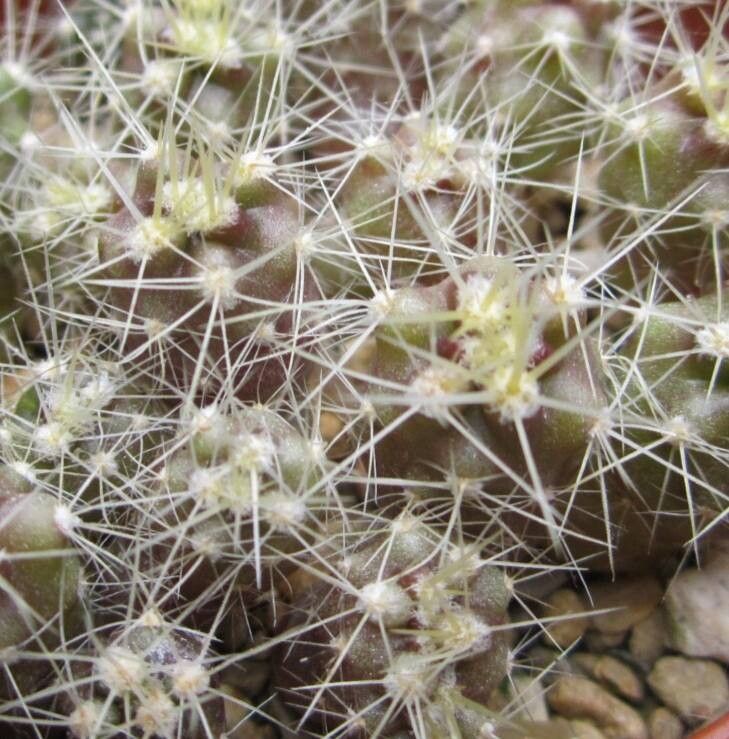
Seeding the Seashore: Propagating the Coastal Cactus, Echinocereus maritimus
The Echinocereus maritimus, more charmingly known as the seaside hedgehog cactus, is a captivating plant boasting striking magenta blooms and an unusual tolerance for salty air. Native to the coastal dunes of California and Baja California, this hardy succulent thrives in sandy soil and harsh conditions that would make other plants wither. If you’re lucky enough to live in a suitable climate or simply want to recreate a touch of the coast in your own home, propagating Echinocereus maritimus is an achievable and rewarding endeavor.
Two Paths to Prickly Perfection: Seeds vs. Offsets
There are two primary methods for propagating Echinocereus maritimus: seeds and offsets.
1. From Seed to Shoreline Star:
Growing from seed is an exciting journey that allows you to witness the plant’s entire life cycle. Here’s how:
- Source your seeds: Purchase seeds from a reputable nursery specializing in cacti and succulents, or carefully collect them from a mature plant (with permission, of course!).
- Prepare your pots: Use well-draining soil specifically formulated for cacti and succulents. Small pots with drainage holes are ideal for starting seeds.
- Sow your seeds: Sprinkle a few seeds onto the soil surface. Since cacti seeds need light to germinate, avoid burying them.
- Keep it humid: Mist the soil surface with water and cover the pots with plastic wrap or a humidity dome to create a warm, moist environment.
- Patience is key: Place the pots in a bright location but out of direct sunlight. Germination can take several weeks to a few months.
- Thinning the herd: Once seedlings emerge, gradually reduce humidity and thin out any weaker ones, giving the strongest seedlings more space to grow.
2. Offsetting the Odds:
For a quicker and slightly easier method, propagate Echinocereus maritimus from offsets, also known as “pups”:
- Identify a healthy offset: Look for firm, plump offsets growing at the base of the mother plant.
- Gently remove the offset: Using a clean, sharp knife or shears, carefully detach the offset, ensuring it has some of its own roots.
- Let the wound heal: Allow the cut surface of both the offset and the mother plant to dry and callus over for a few days.
- Potting your pup: Plant the offset in well-draining cactus mix, burying the roots but keeping the base of the offset above the soil line.
- Water sparingly: Water only when the soil is completely dry. Overwatering is the fastest way to harm a cactus.
Caring for Your Coastal Cactus:
Whether you choose seeds or offsets, successfully propagating Echinocereus maritimus depends on providing the right care:
- Sunlight: These sun-loving cacti need at least six hours of direct sunlight daily.
- Watering: Water deeply but infrequently, allowing the soil to dry out completely between waterings.
- Temperature: Echinocereus maritimus thrives in warm temperatures but can tolerate brief periods of frost.
- Fertilizer: Feed lightly with a balanced fertilizer diluted to half strength during the growing season (spring and summer).
Propagating Echinocereus maritimus can be a fun and rewarding experience for any plant enthusiast. By following these simple guidelines, you can successfully cultivate your own piece of the California coastline—no ocean views required!