
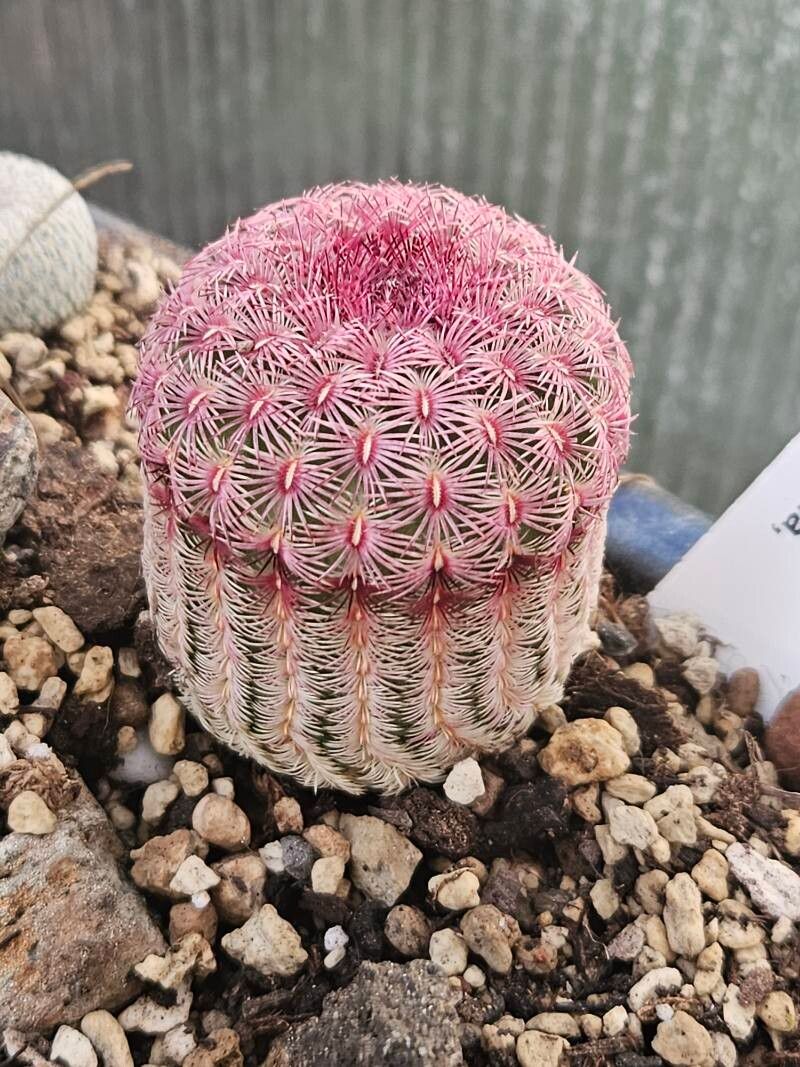
From One Cactus to Many: Propagating the Striking Echinocereus Rigidissimus
Have you ever been captivated by the unique beauty of the Echinocereus rigidissimus, with its spiny, cylindrical stems and vibrant, colorful blossoms? If you’re lucky enough to own one of these stunning cacti, you might be wondering how to share its charm and propagate more of these prickly wonders.
Fear not, because propagating Echinocereus rigidissimus is easier than you might think! This guide will delve into two common methods:
1. Propagation from Cuttings:
This method is ideal for those who already own a mature Echinocereus rigidissimus plant.
a) Selecting the Right Cuttings:
- Choose healthy, mature stems that are free from pests and diseases.
- Ideally, select stems that are at least a few inches long.
b) Preparing the Cuttings:
- Use a sharp, sterile knife or pruning shears to make a clean cut at the base of the chosen stem.
- Allow the cut end to dry and callous over for a few days. This will prevent rot when the cutting is planted.
c) Planting the Cuttings:
- Prepare a well-draining potting mix specifically designed for cacti.
- Gently insert the calloused end of the cutting into the soil, ensuring at least half of the cutting is buried.
- Do not water immediately after planting, as this can promote rot.
d) Care and Maintenance:
- Place the cuttings in a bright, sunny location, but avoid direct sunlight.
- Water your cuttings sparingly, only when the soil is completely dry.
- After about 4-6 weeks, you should see signs of new growth, indicating successful rooting. Once the cuttings are well-established, you can treat them like mature plants.
2. Propagation from Seeds:
If you’re looking for a more hands-on experience, propagation from seeds is a fun and rewarding option.
a) Sourcing Seeds:
- You can purchase seeds from reputable online retailers or local nurseries.
- Alternatively, you can collect seeds from the ripe fruits of your own Echinocereus rigidissimus plant.
b) Sowing the Seeds:
- Fill small pots or flats with a well-draining, cactus-specific potting mix.
- Gently scatter the seeds evenly across the surface and lightly press them into the soil.
- Do not cover the seeds, as they need light to germinate.
c) Germination and Care:
- Place the pots in a warm, bright location, but avoid direct sunlight.
- Keep the soil evenly moist but not waterlogged.
- Germination can take anywhere from a few weeks to several months.
- Once the seedlings have developed several true leaves, you can begin gradually acclimating them to brighter conditions.
Important Tips:
- Always sanitize your tools before and after each use to prevent the spread of disease.
- Ensure the potting mix is well-draining to prevent your cuttings or seedlings from rotting.
- Use a gentle, slow-release fertilizer formulated for cacti to nourish your new plants.
- Be patient. Propagation can take time, especially with seeds.
With a little patience and these simple steps, you can easily propagate your Echinocereus rigidissimus and create a stunning cactus collection to share or enjoy for years to come. Just remember to be careful with those spines and enjoy the journey of watching your tiny cacti grow!