
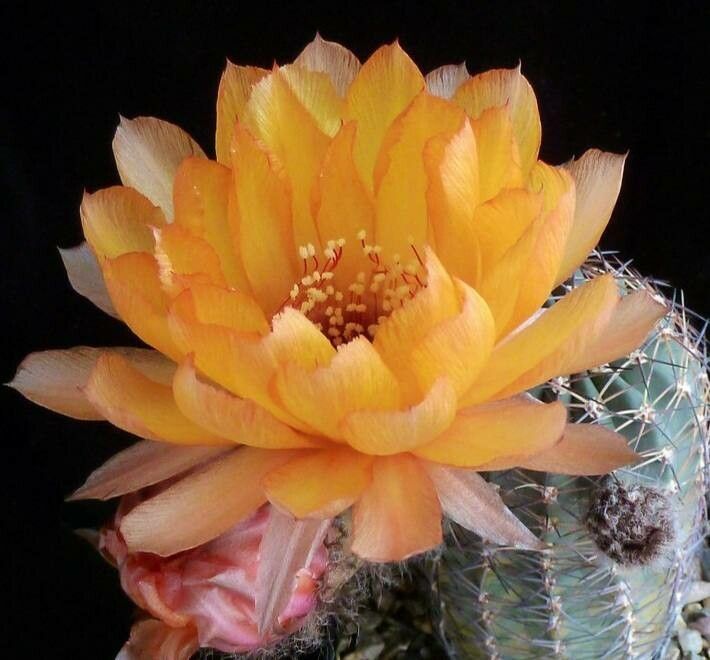
From One Cactus to Many: The Secret to Propagating Echinopsis chrysantha
The Echinopsis chrysantha, with its striking yellow blooms and captivating form, is a plant many dream of having in their collection. But how do you get your hands on more of these beauties? The answer lies in propagation – a surprisingly easy process that lets you create new cacti from existing ones.
Let’s Dive into the World of Echinopsis chrysantha Propagation:
This cactus, commonly known as the Golden Echinopsis, offers two primary methods of propagation:
1. Seeds: A Journey from Tiny to Magnificent
- The Process:` Starting from seeds is a rewarding, though slightly longer, option. Gather fresh seeds from mature fruit, sow them in a well-draining mix (cactus potting soil works well), and maintain consistent moisture and warmth. Patience is key!
- Advantages: Seeds can offer a large number of plants, allowing you to share or build a sizeable collection. It’s also a great way to introduce new genetic variations.
- Disadvantages: Seed germination can be unpredictable, and young plants may need extra care to thrive.
2. Offsets: Nature’s Quick Start
- The Process:` Echinopsis chrysantha naturally produces offsets, also known as pups. These are small, independent cacti that sprout from the base of the mother plant. Once they’ve developed a decent root system (usually indicated by a noticeable size increase), carefully separate them from the mother plant and pot them individually using a cactus potting mix.
- Advantages: Offsets are relatively easy to propagate and show faster results than starting from seed. You’re essentially getting a head start on a full-grown cactus!
- Disadvantages: Offset propagation doesn’t provide the same genetic diversity as seed starting, as all of the offspring are essentially clones of the parent plant.
Tips for Success:
- Choose the Right Potting Mix: Use a well-draining, cactus-specific mix to prevent root rot.
- Provide Ample Sunlight: Place your newly propagated cacti in a sunny spot, but avoid direct, scorching rays, especially for seedlings.
- Water Wisely: Allow the soil to dry completely between waterings. Overwatering is a common cause of failure.
- Patience and Observation: Propagation takes time, so be patient. Observe your plants closely for signs of growth, and adjust your care accordingly.
Beyond the Basics:
Did you know you can also propagate Echinopsis chrysantha using cuttings? While not as common as seeds or offsets, this technique involves taking a healthy section of the cactus and letting it callous over before planting it in the soil.
The Rewards of Propagation:
Whether you choose seeds, offsets, or cuttings, propagating your own Echinopsis chrysantha offers multiple benefits:
- Building Your Collection: Expand your collection and enjoy the joy of watching new cacti grow from scratch.
- Sharing the Beauty: Gift propagated plants to friends and family, spreading the love of cacti and succulents.
- A Sense of Accomplishment: Successfully propagating plants is a rewarding and satisfying experience.
Final Thoughts:
Propagating your Echinopsis chrysantha is a wonderful way to experience the fascinating world of cacti. With some patience, attention, and a little know-how, you can easily produce new plants and extend the beauty of these magnificent succulents. So, gather your materials, get your hands dirty, and enjoy the journey!