
Taming the Veldt Grass: Propagating Ehrharta calycina
Ehrharta calycina, better known as Veldt grass, is a resilient and adaptable species native to South Africa. While often considered a weed in some regions due to its vigorous growth, it can be a valuable addition to gardens in arid climates, offering erosion control and even forage for livestock. If you’re looking to introduce this versatile grass into your landscape, understanding its propagation methods is key.
Two Paths to Propagation: Seeds and Divisions
Ehrharta calycina can be propagated through two main methods: seeds and divisions.
Seed Propagation: This method is relatively straightforward and involves sowing seeds directly into the ground or starting them indoors in trays.
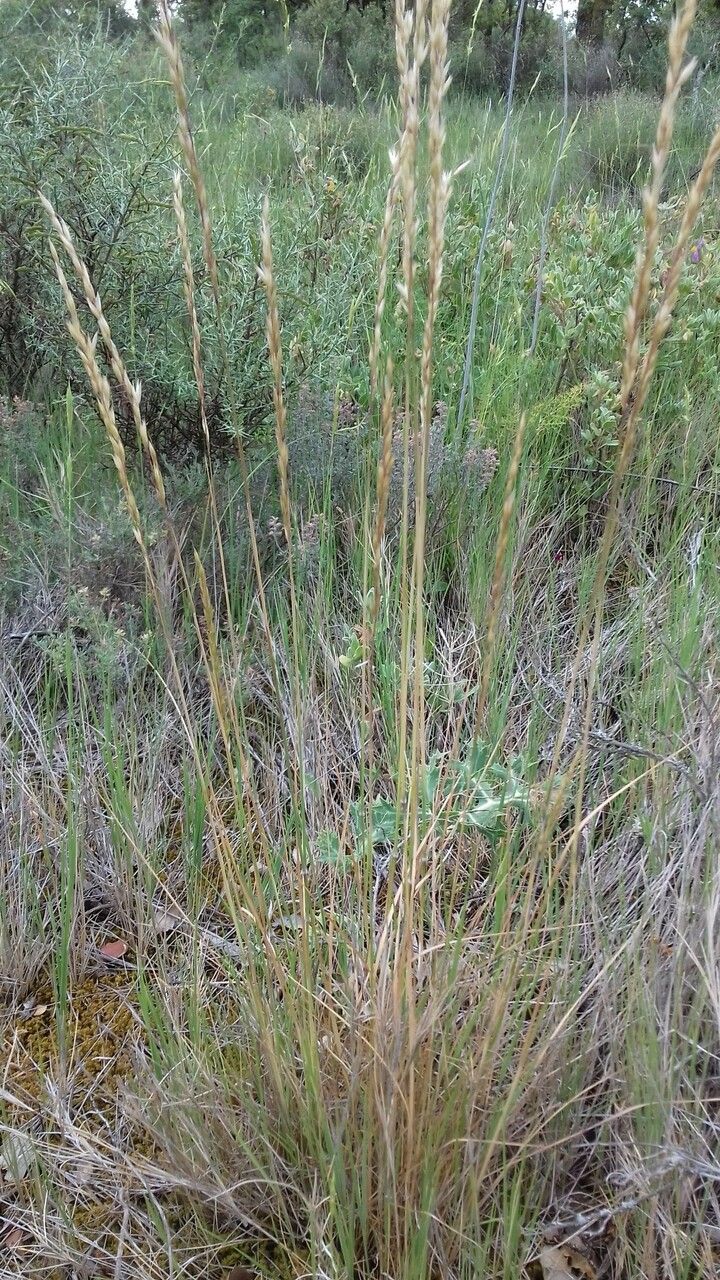
- Collecting Seeds: Veldt grass produces distinctive, oat-like seed heads. Collect these once they turn brown and dry, around late summer or early fall.
- Sowing: For direct sowing, scatter the seeds over prepared soil in early spring or fall. Lightly rake them in, ensuring good soil contact. If starting indoors, use a well-draining seed-starting mix and sow seeds about ¼ inch deep.
- Germination: Veldt grass seeds typically germinate within 2-3 weeks under warm, moist conditions.
Division: Division is a faster propagation method, ideal for established clumps of Veldt grass.
- When to Divide: Spring or fall are the best times to divide Veldt grass, when the weather is cooler and there’s less stress on the plants.
- Dividing the Clump: Carefully dig up the entire clump, ensuring you get as much of the root system as possible. Using a sharp knife or spade, divide the clump into smaller sections, each containing a good amount of roots and shoots.
- Transplanting: Plant the divisions immediately in their new locations, ensuring the crown of each clump is level with the soil surface. Water thoroughly.
Nurturing Your New Veldt Grass
Regardless of your chosen propagation method, providing the right growing conditions will ensure your new Veldt grass thrives.
- Location, Location, Location: Veldt grass prefers a sunny spot with well-drained soil. It is tolerant of drought and poor soil conditions, but good drainage is essential.
- Watering Wisely: While drought-tolerant once established, Veldt grass needs regular watering during its initial growth stages. Water deeply and allow the soil to dry slightly between waterings.
- Fertilizer Needs: Veldt grass is not a heavy feeder. A light application of a balanced fertilizer in spring can promote healthy growth, but avoid over-fertilizing as it can lead to excessive foliage and reduced drought tolerance.
Taming the Wild Potential
Ehrharta calycina, with its ability to thrive in challenging conditions, can be a valuable asset in the right environment. Whether used for erosion control, forage, or simply adding textural interest to your landscape, understanding its propagation methods gives you the tools to successfully introduce this resilient species into your garden. Just remember its vigorous nature; regular maintenance might be required to prevent it from outcompeting neighboring plants and becoming invasive.