
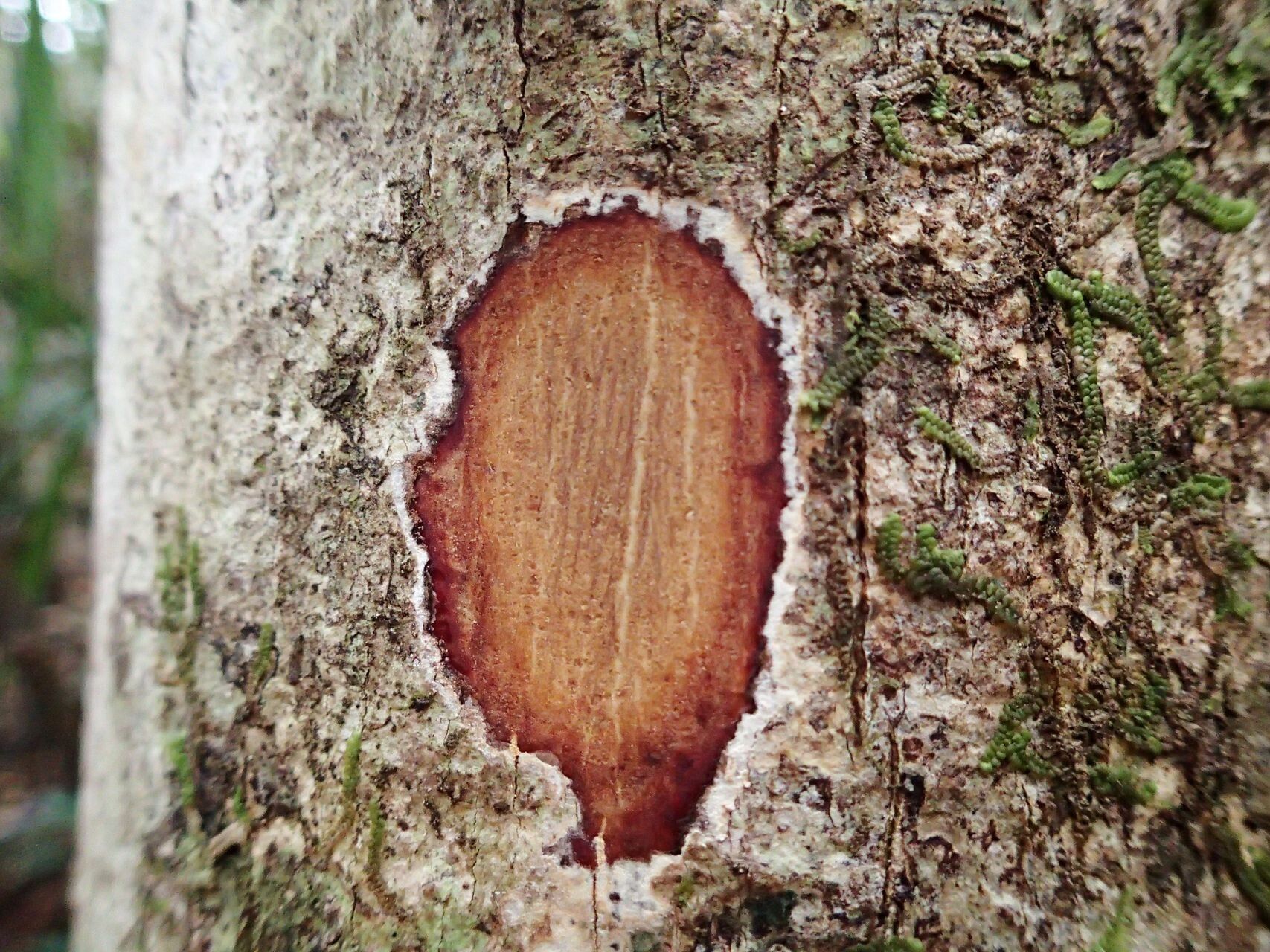
From Seed to Sapling: Unveiling the Secrets of Elaeocarpus leratii Propagation
The Elaeocarpus leratii, also known as the Blue-leaved Elaeocarpus, is a stunning tropical tree boasting beautiful blue-green foliage and delicate, fragrant flowers. This captivating species is gaining popularity among plant enthusiasts, prompting many to wonder: how can I successfully propagate this beauty?
While Elaeocarpus leratii can be propagated through both seed and cutting methods, the process differs in complexity and success rate. Let’s delve deeper into each method, equiping you with the knowledge to cultivate your own slice of tropical paradise.
Seed Propagation: A Journey of Patience
The magic of seed propagation lies in nurturing a new life from a tiny seed. Here’s the breakdown:
- Harvesting Seeds: The key is to collect ripe seeds from mature Elaeocarpus leratii fruits. These fruits turn a deep purple-black shade when ready.
- Cleaning and Preparation: Carefully remove the seeds from the fruit and rinse them thoroughly to remove any remaining pulp. Allow them to dry completely in a cool, shady spot.
- Sowing: Sow the seeds in a well-draining seed starting mix and keep the soil consistently moist but not soggy. Maintain a warm temperature of around 75-80 degrees Fahrenheit (around 24°C) for optimal germination.
- Time is Key: Be patient! Elaeocarpus leratii seeds can take a long time to germinate, anywhere from a few weeks to several months.
- Younglings: Once the seedlings appear, provide them with ample sunlight and let them develop strong roots for several months before transplanting them to their permanent location.
Cutting Propagation: A Faster Route to Success
If you’re aiming for quicker results, cuttings offer a faster pathway towards a new Elaeocarpus leratii. Here’s how:
- Taking the Cutting: Choose healthy, semi-hardwood stems from the parent plant. These cuttings should be about 6 inches long with at least two or three nodes.
- Preparation is Key: Remove the leaves from the lower half of the cutting, leaving a few leaves at the top. Dip the cut end in rooting hormone to encourage root formation.
- Planting the Cutting: Place the prepared cutting in a well-draining potting mix. Ensure the bottom node is buried in the soil and keep the soil consistently moist.
- Providing the Right Environment: Cover the cutting with a clear plastic bag or dome to create a humid environment. This will accelerate root development.
- Patience Pays Off: The cutting will begin to develop roots within a few weeks. Keep it in a warm, bright location, and avoid direct sunlight.
Tips for Success:
- Humidity is Crucial: Elaeocarpus leratii thrives in humid environments. Mist the plants regularly or utilize humidifying trays to create a suitable environment.
- Water Wisely: Ensure proper drainage to prevent root rot. Water only when the soil is dry to the touch.
- Feed with Care: Once the plants have established themselves, provide them with a balanced liquid fertilizer every few weeks.
- Sunlight Matters: Elaeocarpus leratii prefers dappled sunlight or partial shade. Avoid exposing the plants to intense midday sun.
Embrace the Journey:
Whether you embark on the patient journey of seed propagation or choose the faster route of cuttings, remember that every step is a celebration of new life and the beauty of nature. The journey of propagation is rewarding, offering the joy of watching a small seed or cutting develop into a vibrant and stunning Elaeocarpus leratii.
By following these steps and taking pride in your process, you’ll be well on your way to enjoying the captivating presence of the Elaeocarpus leratii in your own garden. Happy propagating!