
Propagating Elaphoglossum piloselloides: A Guide for the Determined Cultivator
Introduction:
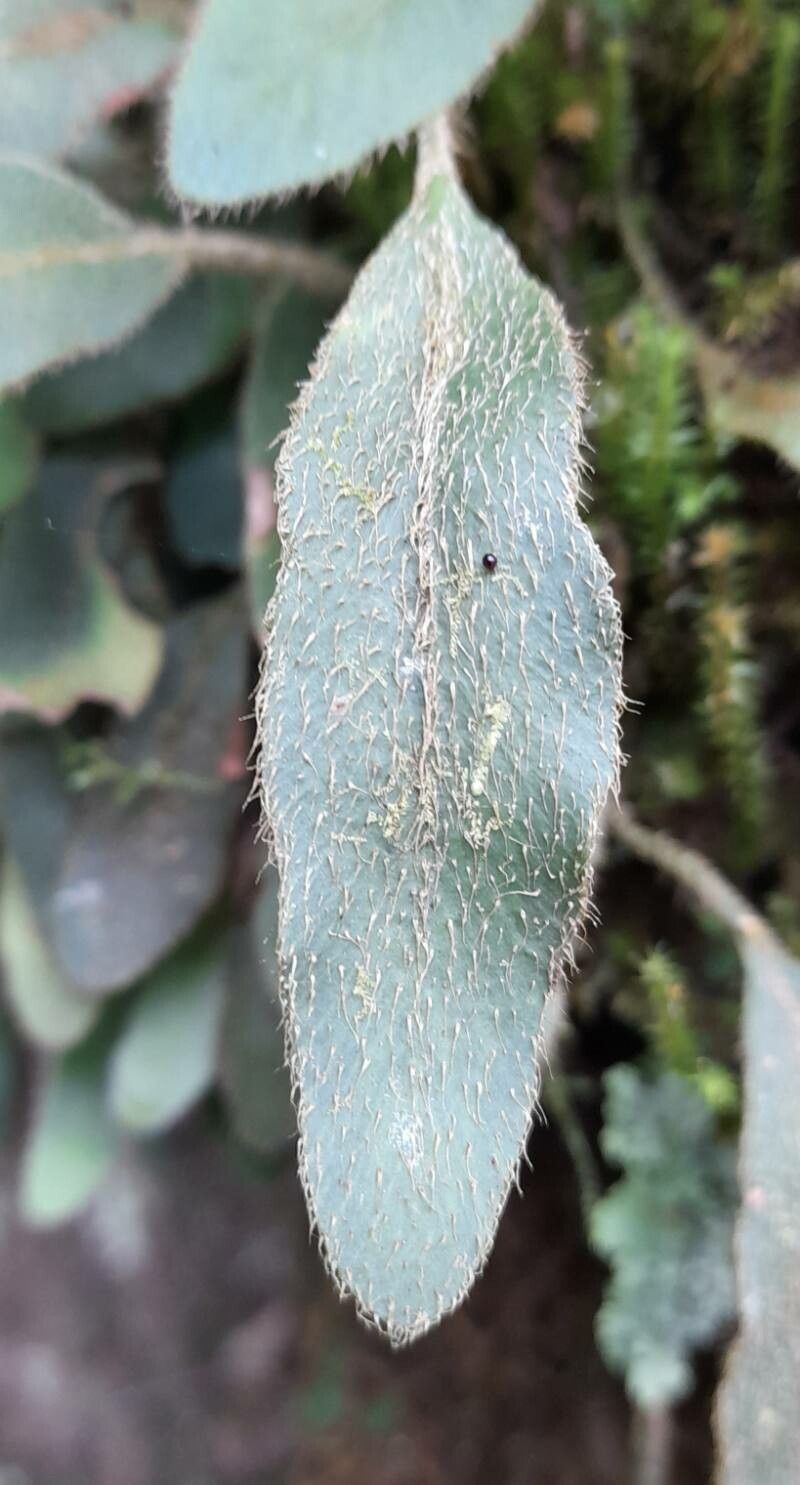
Elaphoglossum piloselloides, commonly known as the hairy elaphoglossum or sometimes simply "lance fern," is a captivating epiphytic fern prized for its distinctive, lanceolate fronds and generally unfussy nature. Its glossy, dark green leaves, often displaying a slight silvery hue underneath, add a touch of elegance to terrariums, humid greenhouses, or even shaded outdoor spaces in appropriate climates. Its popularity among fern enthusiasts stems from its intriguing appearance and relative ease of care (once established). However, propagating this fern presents unique challenges, making successful propagation a rewarding accomplishment.
Seed Germination:
Currently, there are no known reliable methods for seed germination propagation of Elaphoglossum piloselloides. While the plant produces spores, their germination rate is extremely low, and successful cultivation from spore to mature plant is rarely documented. Further research into specific germination requirements, including optimal humidity, light, and media, would be needed to determine if this method is even viable.
Cuttings:
Propagating Elaphoglossum piloselloides from cuttings is also largely unsuccessful. Attempts using frond cuttings or rhizome cuttings have yielded negligible results. The fern’s limited ability to produce adventitious roots from detached segments makes this propagation method impractical.
Division:
Division is the most reliable method for propagating Elaphoglossum piloselloides. This involves carefully separating the plant’s rhizomes, ensuring each division has a healthy portion of rhizome and several fronds.
Challenges: The delicate nature of the rhizome requires careful handling to avoid damage. Improper division can lead to the death of both the parent plant and the offshoots.
Practical Tips: Divide during the active growing season (spring or early summer). Use a sharp, sterile knife or shears. Immediately pot each division into a well-draining, moisture-retentive potting mix suitable for epiphytes (e.g., a mix of sphagnum moss, perlite, and orchid bark). Maintain high humidity and consistent moisture, but avoid waterlogging.
- Rewards: Division offers a relatively quick and efficient method of producing new plants, preserving the genetic characteristics of the parent plant.
Tissue Culture:
Tissue culture offers a potential, albeit complex, method for propagating Elaphoglossum piloselloides on a larger scale.
Challenges: Establishing sterile culture conditions and identifying appropriate growth media and hormonal regulators are significant hurdles. Tissue culture requires specialized equipment and expertise, making it inaccessible to the average hobbyist.
Practical Tips: This method requires a controlled environment with sterile techniques and specific growth media formulations, which are generally determined through experimentation. Expertise in plant tissue culture is essential.
- Rewards: Tissue culture can produce a large number of genetically uniform plants in a relatively short time, making it ideal for conservation efforts or commercial propagation.
Conclusion:
Propagating Elaphoglossum piloselloides exemplifies the delicate balance between challenge and reward in plant cultivation. While seed propagation and cuttings prove unreliable, division provides a feasible, albeit delicate, approach for the home cultivator. Tissue culture holds promise for larger-scale propagation, but requires considerable expertise and resources. The unique satisfaction derived from nurturing these ferns from a small division to a thriving plant underscores the dedication required. For aspiring propagators, patience, meticulous attention to detail, and a willingness to learn from both successes and failures are key to unlocking the secrets of successfully cultivating this elegant fern. Don’t be discouraged by initial setbacks; the beauty of a successfully propagated Elaphoglossum piloselloides is a testament to your horticultural perseverance.