
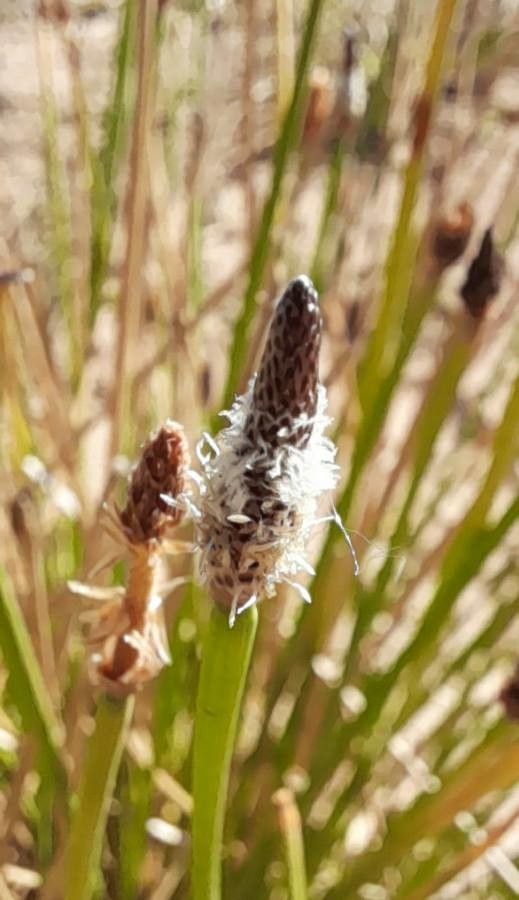
From One to Many: Propagating Your Dwarf Hairgrass (Eleocharis contracta)
Dwarf hairgrass (Eleocharis contracta) is a popular choice for aquascapers, bringing a lush, verdant carpet to freshwater tanks. But did you know you can easily multiply your existing plant? Propagating dwarf hairgrass is a straightforward process that allows you to expand your greenery without breaking the bank.
Understanding Eleocharis contracta: A Plant of Many Parts
Dwarf hairgrass, although visually similar to a grass, is actually a sedge. It forms dense carpets through the growth of stolons – underground stems that extend horizontally and produce new shoots at regular intervals. These shoots rise vertically, showcasing the characteristic fine leaves that give it its “hairgrass” name.
The Power of Division: A Simple and Effective Technique
The most common and easy way to propagate dwarf hairgrass is through division. This method leverages the stolons and shoots to create new, independent plants.
Here’s how to divide your dwarf hairgrass:
- Select a healthy clump: Choose a well-established, thriving clump of hairgrass.
- Gentle separation: Carefully lift the entire clump from the substrate. With a sharp knife or scissors, divide the clump into smaller sections.
- Ensure root presence: Each section you separate should have at least some roots attached. This ensures the new portion can access nutrients and establish itself.
- Replant and nurture: Plant each section in a new location within your tank or in a separate container. Be gentle while planting to avoid damaging the fragile roots.
Beyond Division: Exploring Other Propagation Methods
- Runners: If your dwarf hairgrass has formed long, trailing runners, these can be cut and planted separately. Like stolons, runners produce new shoots along their length that can be used for propagation.
- Seed propagation: While less common for aquascapers, Dwarf hairgrass can also be propagated from seed. This method requires patience and careful conditions, but offers the possibility for multiplying several plants from a single seed.
Tips for Successful Propagation:
- Optimal conditions: Ensure adequate light (at least 4 hours of moderate to high light per day), CO2 injection, and nutrient-rich substrate for optimal growth.
- Trimming for encouragement: Regular trimming can stimulate growth, encouraging the formation of denser carpets and more branching.
- patience is key: Don’t be discouraged if new plants take a little time to establish. With proper care, they will quickly thrive and multiply.
Propagating Dwarf Hairgrass: A Rewarding Experience
By following these methods, you can effortlessly increase your dwarf hairgrass stock, expanding your aquascaping possibilities and enjoying the beauty of this versatile species.
Whether you are a seasoned aquascaper or a beginner, propagating your dwarf hairgrass is a rewarding experience that brings a sense of satisfaction and pride. You’ll not only be cultivating a beautiful and thriving aquatic landscape but also nurturing a new generation of these elegant miniature plants.