
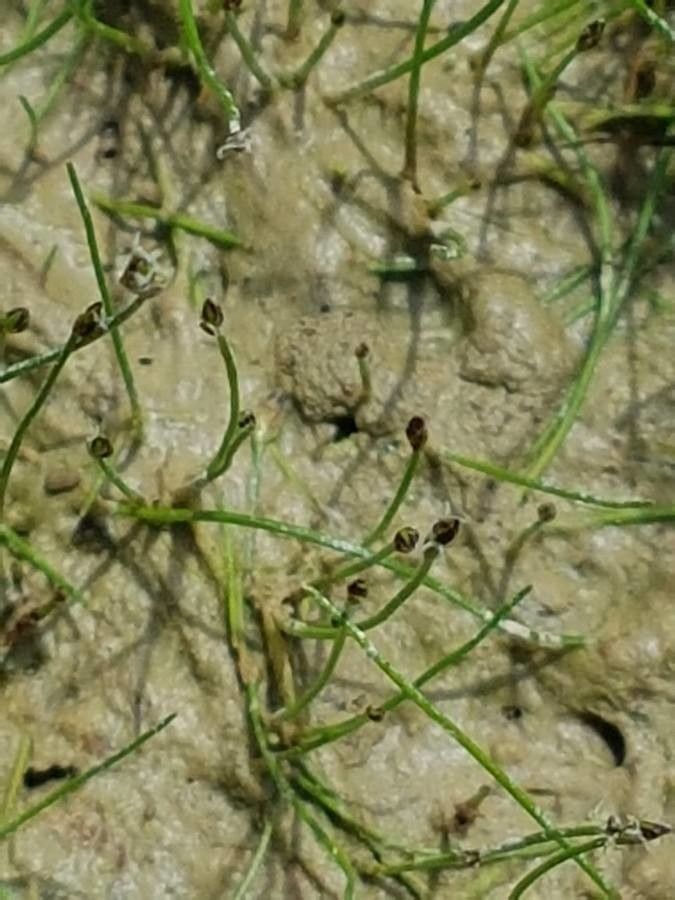
Tiny but Mighty: How to Propagate Dwarf Hairgrass (Eleocharis parvula)
Dwarf hairgrass (Eleocharis parvula) is a popular choice for aquascapers due to its dense, lush carpet-like growth habit and low maintenance requirements. If you’re looking to expand your lush green underwater landscape, you’ll be happy to know that propagating Eleocharis parvula is surprisingly easy. In this guide, we’ll explore the most effective methods for creating new plants from existing ones – no fancy equipment or advanced techniques necessary!
1. Division: This is the simplest and most common method. Simply pull out a clump of dwarf hairgrass from the aquarium (or pot) and gently separate it into smaller clumps, ensuring each has several healthy shoots. Re-plant these divisions in your desired location, making sure to bury the root system slightly into the substrate. You can also use a sharp knife or scissors to carefully divide the clump.
2. Runners: Eleocharis parvula naturally produces horizontal runners which sprout new shoots. These runners are a great source for propagation. Carefully detach the runner from the parent plant, making sure to include a few shoots with a strong root system. Plant the separated runner in a new spot, ensuring it is well-anchored to the substrate.
3. Cuttings: Similar to runners, you can take cuttings from existing shoots. Choose healthy shoots that are at least 2-3 inches long. Using sterile scissors, cut the shoot at the base, leaving a small portion of the rhizome attached. Plant the cutting in a new location.
4. Seed Propagation: This method is slightly more complex and rarely used. While dwarf hairgrass does produce seeds, they are small and delicate and require specific conditions to germinate. If you’re interested in trying this method, research specialized seed starter kits and follow the recommended instructions.
Tips for Successful Propagation:
- Use Clean Tools: Always sterilize your scissors or knife before cutting or dividing your dwarf hairgrass to prevent the spread of disease. A quick dip in boiling water is sufficient.
- Ideal Conditions: Eleocharis parvula thrives in slightly acidic water (pH 6.0-7.0) with moderate lighting and a rich substrate that provides essential nutrients.
- Patience is Key: Propagation takes time. Allow the newly planted divisions, runners, and cuttings to establish roots and start growing new shoots before expecting rapid growth.
- Fertilization: Regularly adding liquid fertilizer to your aquarium will encourage healthy growth, especially during the propagation phase.
Benefits of Propagating Dwarf Hairgrass:
- Cost-Effective: Propagation allows you to significantly expand your dwarf hairgrass carpet without the need for expensive purchases.
- Healthier Plants: Propagated plants often exhibit healthier growth as they haven’t undergone the stress of transport and adaptation.
- Unique Varieties: Experimenting with different propagation methods can lead to the development of diverse and unique variations of dwarf hairgrass.
Final Thoughts: Propagating dwarf hairgrass is a rewarding and satisfying process that allows you to create a lush and thriving underwater landscape. By following these simple steps and ensuring optimal conditions, you can easily multiply your dwarf hairgrass and enjoy the beauty of its rich green coverage for years to come. So, take the plunge and start growing today!