
Taming the Wild Windmill: Propagating Goosegrass (Eleusine multiflora)
Goosegrass (Eleusine multiflora), despite its somewhat unassuming name, is a fascinating grass species with a tenacious spirit. Found throughout the world, this “windmill grass” – named for its distinctive seed head – is often considered a pesky weed. However, for those with an interest in grasses, understanding its propagation can be valuable for both control and potential utilization.
While many might consider goosegrass undesirable, it boasts surprising resilience and even plays a role in erosion control. Learning to propagate it can be beneficial for research purposes, habitat restoration, or even for satisfying your curiosity about the plant world.
The Seed of the Matter: Propagation by Seed
The most common method of goosegrass propagation is, unsurprisingly, by seed. This grass is remarkably efficient at self-seeding, which contributes to its “weed” reputation. Here’s a closer look at the process:
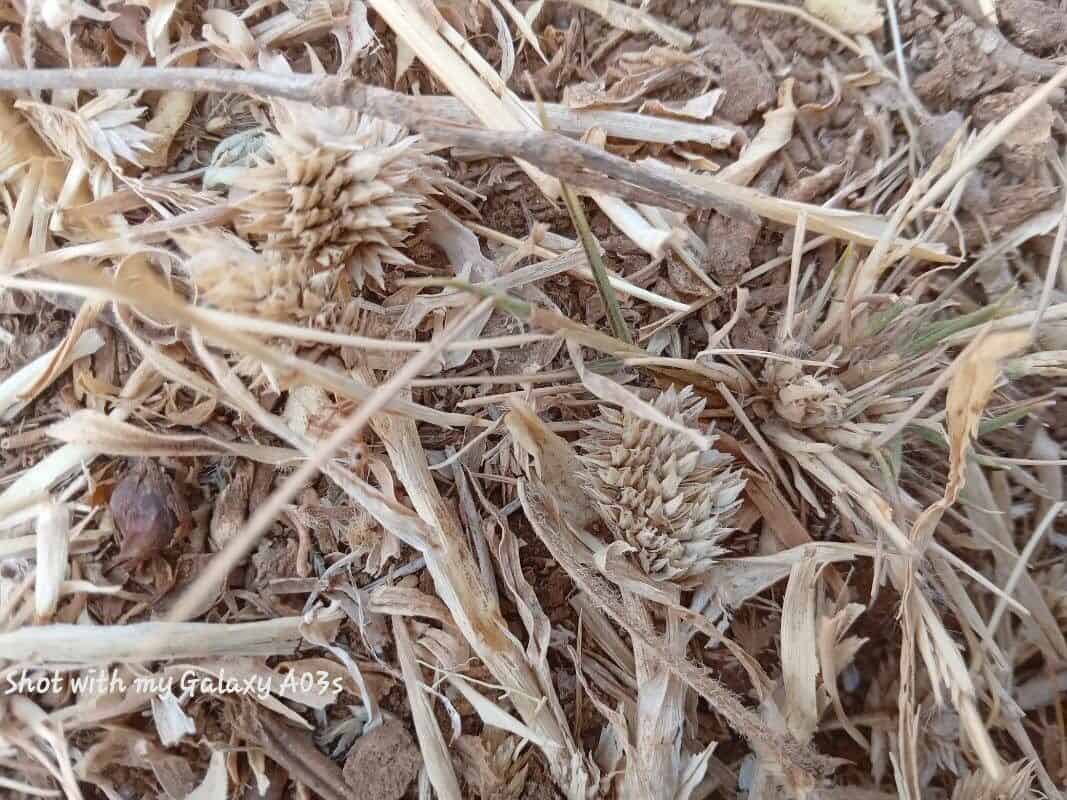
- Seed Collection: Goosegrass seeds mature within the distinctive windmill-shaped seed heads. Look for mature, brown seeds in late summer or early fall.
- Seed Preparation: No special preparation is typically needed for goosegrass seeds. However, gently winnowing away chaff can be helpful.
- Sowing: Choose a location with full sun to partial shade. Scatter seeds directly onto loosened soil in spring or early fall.
- Germination: Goosegrass seeds have a relatively high germination rate. Keep the soil consistently moist but not waterlogged. You should see seedlings emerge within a week or two.
Division: Separating for Multiplication
While seeds are the most common propagation method, goosegrass can also be propagated by division, particularly for established clumps. This is best done in spring or early fall:
- Digging: Carefully dig around the clump of goosegrass, ensuring you get a good portion of the root system.
- Dividing: Using a sharp knife or garden shears, carefully divide the clump into smaller sections, each with a healthy amount of roots and shoots.
- Replanting: Plant the divided sections in their desired locations, ensuring good soil contact and watering them in well.
Challenges and Considerations
- Invasiveness: Be aware that goosegrass’s remarkable ability to propagate can make it invasive. Plant it responsibly and consider containment measures if necessary.
- Weed Control: If you’re cultivating goosegrass for a specific purpose, be prepared for the potential need for weed control around the plants.
Beyond Propagation: A Closer Look
Understanding goosegrass propagation offers a glimpse into its hardiness and adaptability. While often seen as a nuisance, this plant possesses unique characteristics worth examining. From its intricate seed heads to its global presence, goosegrass encourages us to appreciate the complexity and resilience of even the most commonplace plant life.