
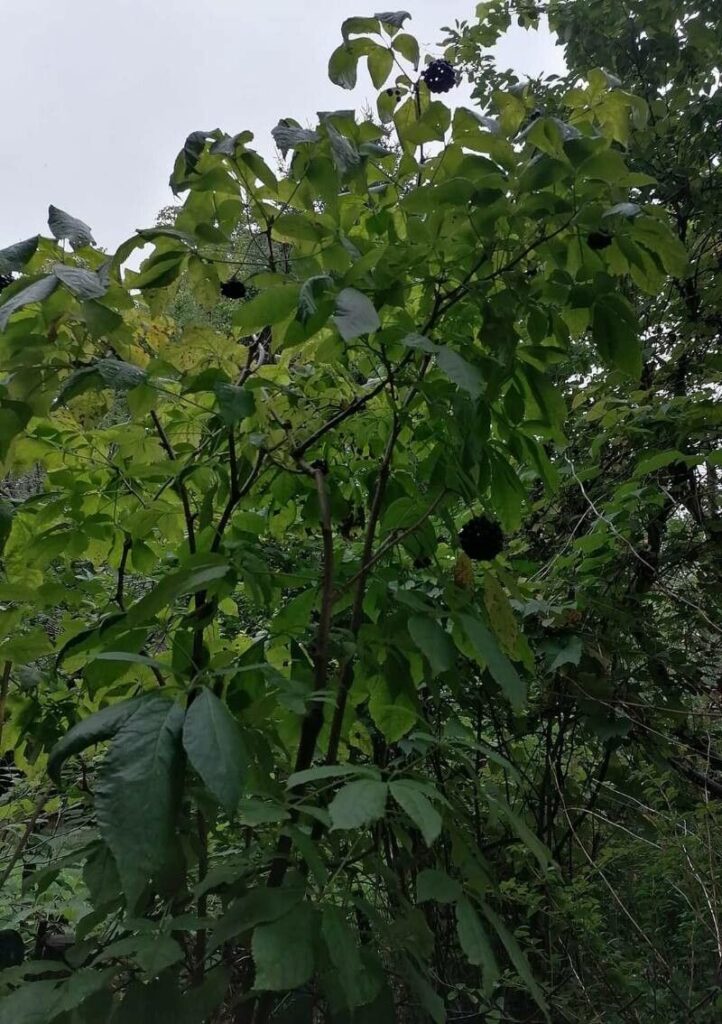
Unleash the Adaptogen: Propagating Your Own Siberian Ginseng (Eleutherococcus senticosus)
Siberian ginseng (Eleutherococcus senticosus) is experiencing a surge in popularity, and for good reason. This hardy shrub, native to the forests of Siberia, China, Japan, and Korea, is celebrated for its potent adaptogenic properties. But did you know that propagating your own Siberian ginseng is achievable and rewarding? Let’s delve into the techniques that will have you growing this incredible plant in your own backyard.
Understanding the Options: A Tale of Two Methods
Siberian ginseng can be propagated through two primary methods:
- Seed Propagation: While cost-effective, seed propagation requires patience and a little finesse.
- Vegetative Propagation: This method, encompassing cuttings and layering, offers a faster route to established plants.
Method 1: Seed Starting – A Test of Time and Patience
Siberian ginseng seeds are notorious for their dormancy, requiring a two-step stratification process to break them down and encourage germination:
- Warm Stratification: Sow seeds in a well-draining seed starting mix and keep them consistently moist at around 70°F (21°C) for 30-60 days.
- Cold Stratification: Transfer the seed tray to a refrigerator (around 40°F or 4°C) for an additional 90-120 days.
Germination can be erratic, with some seeds sprouting within a few weeks of the cold period, while others may take up to a year.
Method 2: The Speedier Route – Vegetative Propagation
For those seeking quicker results, vegetative propagation offers two excellent options:
-
Cuttings: Take 4-6 inch softwood cuttings from new growth in late spring or early summer. Remove the lower leaves, dip the ends in rooting hormone, and plant them in a well-draining potting mix. Keep them consistently moist and covered with a plastic bag to maintain humidity. Roots should form in 4-6 weeks.
- Layering: This technique involves bending a low-growing branch to the ground and slightly wounding the section that will be buried. Secure it with a landscape pin and cover it with soil, leaving the tip exposed. Keep the area moist. Roots should develop within a year, at which point you can sever the branch from the parent plant.
Nurturing Your Siberian Ginseng
Regardless of your chosen propagation method, Siberian ginseng thrives in well-drained soil with a slightly acidic to neutral pH. It prefers dappled shade to full sun in hotter climates. Regular watering is crucial, especially during dry spells.
Harvesting the Rewards
While it takes 3-5 years for Siberian ginseng plants to mature, the wait is worth it. Harvest the roots in fall after the leaves have died back. Carefully dig around the plant, being mindful not to damage the roots. Cleanse the roots and slice them thinly to dry for tea or tincture preparations.
Propagating your own Siberian ginseng is a rewarding journey that allows you to connect with this potent adaptogen on a deeper level. With a little patience and effort, you’ll be well on your way to enjoying the health benefits of this incredible plant from your very own garden.