
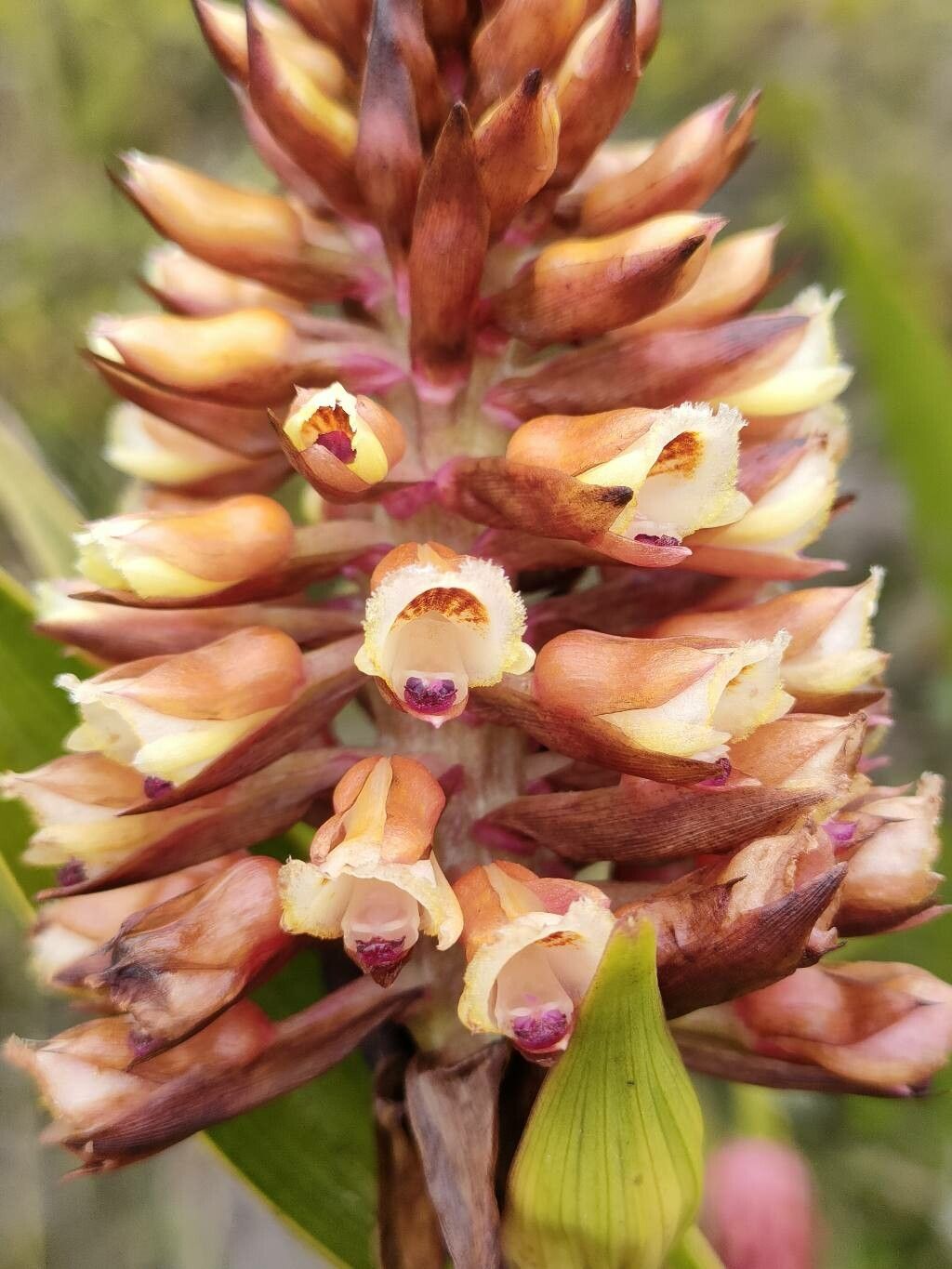
Propagating Elleanthus purpureus: A Gardener’s Guide to the Purple Elleanthus
Elleanthus purpureus, commonly known as the Purple Elleanthus, is a captivating orchid species prized for its vibrant, deep purple-pink flowers and elegant foliage. Its relatively compact size and striking blooms have made it a popular choice among orchid enthusiasts, despite the challenges it presents for propagation. This article explores various methods for propagating this beautiful orchid, weighing the challenges against the rewards for each technique.
Seed Germination:
Currently, there are no known reliable methods for seed germination propagation of Elleanthus purpureus. Orchid seeds, including those of Elleanthus purpureus, are extremely fine and lack endosperm, requiring a symbiotic relationship with specific mycorrhizal fungi for germination. Establishing this symbiotic relationship in a controlled environment is extremely challenging and has not yet been successfully achieved for this particular species. Therefore, relying on seed germination for propagation is not a practical approach at present.
Cuttings:
Propagating Elleanthus purpureus from cuttings is also generally considered unreliable. While some orchids can be successfully propagated from stem cuttings, Elleanthus purpureus does not readily produce roots from stem sections. Attempts at rooting cuttings in various media, with or without hormone application, have generally yielded poor results. Therefore, this method is not recommended for propagating this species.
Division:
Division is the most successful and practical method for propagating Elleanthus purpureus. This involves carefully separating a mature, healthy plant into smaller divisions, each containing several pseudobulbs and roots.
Challenges: The main challenge lies in carefully dividing the rhizome without damaging the roots or pseudobulbs, which can be fragile. A sharp, clean knife or shears are essential. Over-division can weaken the parent plant and the resulting divisions.
Practical Tips: The best time to divide is during the active growing season after flowering. Ensure each division has a healthy root system and at least three pseudobulbs. Plant the divisions in a well-draining potting mix suitable for orchids and maintain consistent moisture levels without overwatering.
Rewards: Division offers a relatively high success rate, providing a quick and efficient way to increase the number of plants. It preserves the genetic characteristics of the parent plant.
Tissue Culture:
Tissue culture offers the potential for large-scale propagation of Elleanthus purpureus. This laboratory-based technique involves growing plant tissues in a sterile environment on a nutrient-rich medium.
Challenges: Tissue culture requires specialized equipment, a sterile environment, and a high level of technical skill. Successful establishment and growth of Elleanthus purpureus in vitro necessitates optimizing the culture medium and hormonal balance specific to the species, which might require significant experimentation. The initial investment in equipment and expertise can be substantial.
Practical Tips: Consult with experienced orchid tissue culturists to determine the optimal protocols for Elleanthus purpureus. Rigorous sterilization and aseptic techniques are crucial throughout the process.
Rewards: Tissue culture allows for rapid and large-scale propagation, enabling the production of a high number of genetically identical plants. It is especially useful for preserving rare or endangered varieties.
Conclusion:
Propagating Elleanthus purpureus presents specific challenges. While seed germination and cuttings are currently impractical, division offers a reliable method for increasing the number of plants. Tissue culture provides potential for large-scale production, but demands significant expertise and resources. The unique satisfaction derived from successfully cultivating this orchid lies in overcoming these challenges. The vibrant blooms rewarding the effort serve as potent motivation. For aspiring propagators, patience, attention to detail, and a willingness to learn and adapt are essential for success. The journey, though demanding, will surely culminate in the pride of nurturing this stunning orchid from a single plant to a thriving collection.