
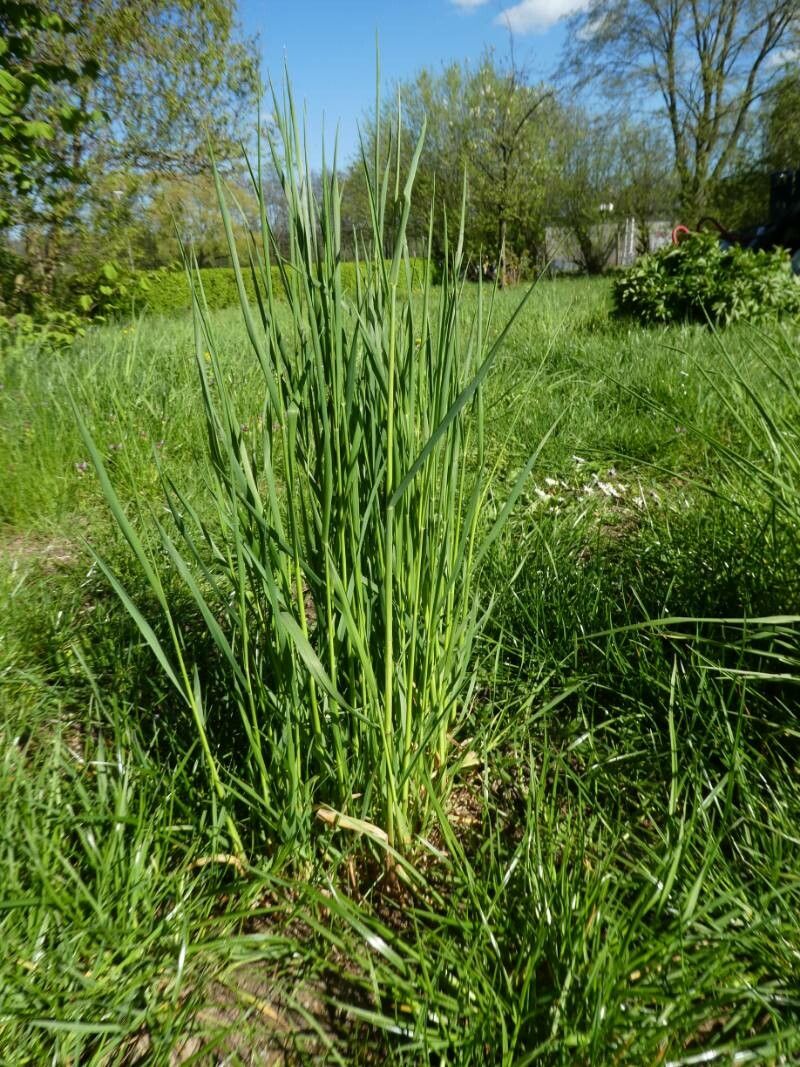
Unleashing the Wild Beauty: Propagating Elymus Pungens (Blue Wild Rye)
The striking silvery-blue foliage of Elymus pungens, commonly known as Blue Wild Rye, makes it a popular choice for adding texture and visual interest to gardens. But for those wanting to expand their patch of these drought-tolerant beauties, knowing how to propagate them is key.
Fortunately, propagating Blue Wild Rye isn’t as daunting as it might sound. There are two primary methods you can use to successfully grow more of these captivating grasses:
1. Division: This method is best suited for established clumps of Blue Wild Rye. Here’s how to do it:
- Timing: Spring is the ideal time for division, after the new shoots emerge but before the plant gets too vigorous.
- Preparation: Choose a mature clump and use a sharp shovel or garden trowel to carefully divide it into smaller sections, ensuring each section has healthy roots and foliage.
- Planting: Plant the divisions in a sunny location with well-drained soil. Water them thoroughly after planting and continue to keep them consistently moist until they establish.
- Spacing: Space the divisions approximately 1-2 feet apart to allow them room to grow and spread.
2. Seed Propagation: Blue Wild Rye readily produces seeds, offering another method of propagation:
- Harvesting Seeds: In late summer or early fall, the seed heads of Blue Wild Rye turn a golden-brown color, indicating that the seeds are mature and ready for harvest. Carefully cut the seed heads and dry them in a cool, dry place.
- Sowing Seeds: You can direct sow the seeds into the ground in late fall or early winter, or start them indoors in seed trays a few weeks before the last frost.
- Growing Conditions: Blue Wild Rye prefers full sun and well-drained soil. Water regularly after planting, especially during the initial establishment phase.
- Thinning: Once the seedlings emerge, thin them out to ensure adequate spacing for optimal growth.
Benefits of Propagation:
- Economical: Propagating Blue Wild Rye yourself helps save money compared to purchasing new plants.
- Increased Abundance: Multiplying your plants allows you to expand your garden or share with friends and family.
- Preserving a Favourite: If you have a particularly prized variety of Blue Wild Rye with unique foliage or growth habit, you can ensure its continuation through propagation.
Tips for Successful Propagation:
- Use sharp tools: Sharp tools ensure clean cuts for easier rooting during division.
- Provide good drainage: Blue Wild Rye thrives in well-drained soil, so ensure proper drainage to prevent root rot.
Be patient: It takes time for newly propagated plants to establish themselves, so be patient with their growth.
Conclusion:
Whether you opt for division or seed propagation, growing Elymus pungens from your existing plants is a rewarding experience. With a little care and attention, you can enjoy the beauty of this hardy and versatile grass in your garden for years to come. And who knows, you may even be able to share the joy of Blue Wild Rye with others by gifting them seedlings grown from your own garden!