
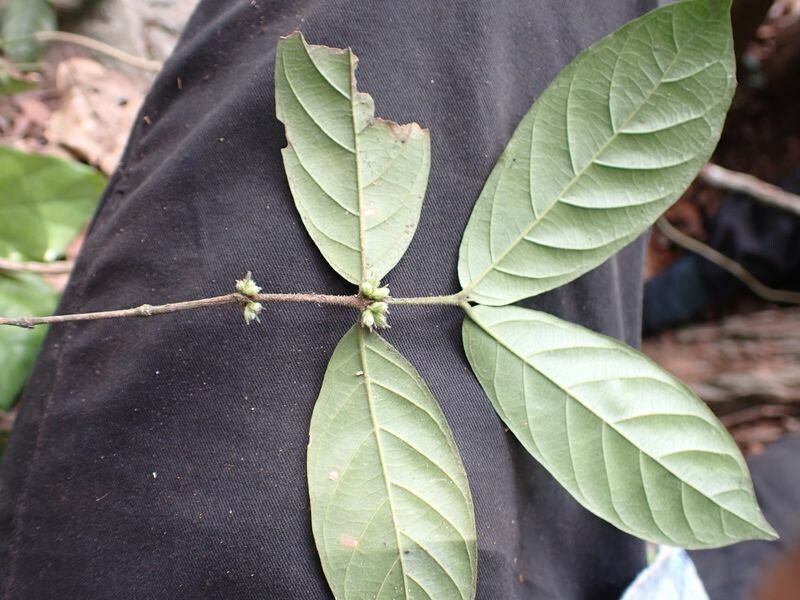
Unlocking the Secrets of Empogona talbotii: A Guide to Propagation
The Empogona talbotii, also known as the “Salmon Berry” or “Forest Pink Bonnet,” is a captivating shrub native to the coastal forests of South Africa. With its glossy evergreen foliage, delicate bell-shaped pink flowers, and vibrant salmon-colored fruit, this plant is a feast for the eyes. If you’re lucky enough to own one or know someone who does, you might be wondering about the best way to propagate and share its beauty. Luckily, while not commonly found in nurseries, the Empogona talbotii can be propagated at home with a little patience and care. Let’s delve into the methods that will have you growing this stunning species in no time.
Two Paths to Propagation
Empogona talbotii can be propagated through two primary methods: seed propagation and semi-hardwood cuttings. Each has its own advantages and drawbacks, making them suitable for different gardeners and situations.
1. Seed Propagation: A Journey of Patience
Propagating Empogona talbotii from seed is a rewarding process, albeit one that requires patience. The seeds, housed within those eye-catching salmon berries, have a naturally occurring dormancy that needs to be broken for successful germination.
- Seed Collection and Preparation: Collect ripe fruits directly from the plant or obtain fresh seeds from a reputable source. Gently clean off any fruit pulp to prevent fungal growth. To break dormancy, lightly scarify the seeds by nicking or gently rubbing them with sandpaper.
- Sowing: Sow the seeds in a well-draining seed-starting mix, covering them lightly with soil. Maintain consistent moisture and a warm environment with temperatures around 70-75°F (21-24°C).
- Germination: Be patient! Germination can be erratic and may take anywhere from a few weeks to several months. Once seedlings emerge and have a few sets of true leaves, they can be transplanted into individual pots.
2. Semi-Hardwood Cuttings: Faster Results
For a quicker method with a higher success rate, semi-hardwood cuttings are the way to go. This method involves taking cuttings from the parent plant and encouraging them to develop roots.
- Timing is Key: The ideal time for taking cuttings is during the active growing season in spring or early summer.
- Selecting and Taking Cuttings: Choose healthy, non-flowering shoots that are beginning to harden. Using a sharp, sterilized knife or pruning shears, take cuttings that are around 4-6 inches long. Make a clean cut just below a leaf node.
- Preparing the Cuttings: Remove the lower leaves from the cutting, leaving only a few at the top. Dip the cut end in rooting hormone powder to promote root development (optional but recommended).
- Planting and Care: Plant the cuttings in a well-draining rooting mix, burying the bottom node. Keep the cuttings consistently moist and in a humid environment. A humidity dome or placing a plastic bag over the pot can help create favorable conditions.
- Rooting: After several weeks, gently tug on the cuttings to check for resistance. Resistance indicates successful rooting. Once roots have developed, carefully transplant the cuttings into individual pots.
Nurturing Your New Empogona Talbotii
Whether you choose seed propagation or semi-hardwood cuttings, young Empogona talbotii plants require consistent care. Provide them with well-draining soil, bright, indirect light, and regular watering, allowing the soil to dry ligeramente between waterings. These plants thrive in slightly acidic soils, so consider using an acidifying fertilizer occasionally. With proper care, your propagated Empogona talbotii will grow into beautiful specimens, adding a touch of South African charm to your home or garden.