
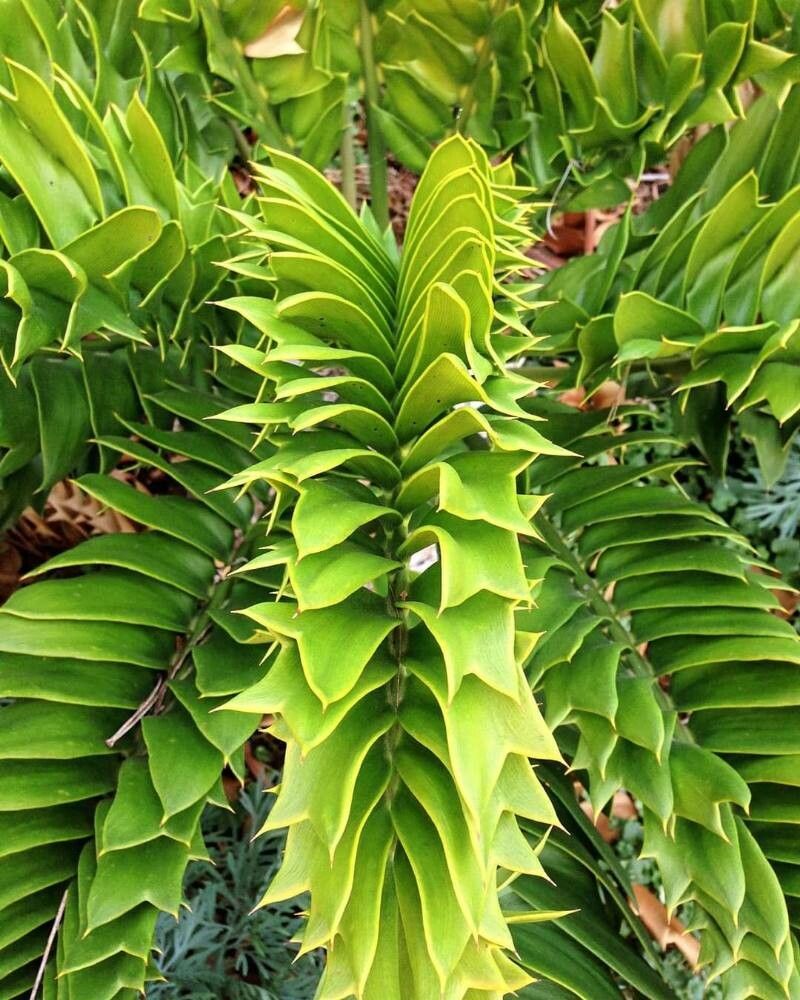
Growing the Giant: A Guide to Propagating Encephalartos latifrons
The Encephalartos latifrons, commonly known as the Natal cycad, is a majestic plant that can grace your garden with its lush, palm-like leaves and striking, cone-shaped structures. But did you know that you can increase your cycad family with a little patience and know-how? Propagating Encephalartos latifrons, while not the easiest task, is an exciting and rewarding journey for any plant enthusiast.
The Art of Offsets:
The most common and arguably simplest method of propagation for Encephalartos latifrons is through offsets. These are small, baby cycads that grow at the base of the parent plant. Offsets offer a faster path to a larger cycad, as they are essentially pre-established plants.
Here’s how to separate and nurture an offset:
- Identify a mature offset: Look for offsets that are at least a few inches tall and have their own root system.
- Prepare your tools and space: You’ll need a sharp, sterilized knife, a potting mix specifically formulated for cycads, and a pot with drainage holes.
- Carefully remove the offset: Gently detach the offset from the mother plant, ensuring you sever the connection cleanly. Be cautious not to damage the root system.
- Prepare the offset: Remove any excess soil and examine the roots. If any are damaged, trim them cleanly with your sterilized knife.
- Plant the offset: Place the offset in its prepared pot, ensuring the base is slightly elevated. Gently backfill with cycad potting mix, taking care not to bury the crown of the offset.
- Water and care: Water the offset generously and maintain a consistently moist but not soggy environment. Protect the offset from direct sunlight and drafts until it establishes roots.
The Challenge of Seeds:
Propagating Encephalartos latifrons from seed presents a greater challenge but can be a rewarding process.
Here’s a breakdown of the steps involved:
- Source seeds: Seeds can be obtained from mature cycads that have produced cones. It’s crucial to collect from healthy plants and ensure you have the necessary permits if applicable.
- Prepare the seeds: Remove the seed coat and soak the seeds in warm water for 24 hours to soften them.
- Choose a suitable medium: A mixture of cycad potting mix and horticultural sand is ideal for seed starting.
- Sow the seeds: Plant the seeds at a depth of about half an inch in individual pots or seedling trays. Keep the medium consistently moist but not overly wet.
- Provide warmth and light: Keep the seeds in a warm, bright location with indirect light. They need heat to germinate. Germination can take several months, so patience is key.
Nurturing Your Young Cycad:
Regardless of your propagation method, caring for your young Encephalartos latifrons is the next crucial step. Here are some general tips:
- Light: These plants need bright, indirect light. Avoid direct sunlight, especially for seedlings and newly planted offsets.
- Watering: Water thoroughly when the soil is nearly dry, allowing excess water to drain. Avoid overwatering, which can lead to root rot.
- Fertilizer: Use a balanced fertilizer specifically designed for cycads during the growing season.
- Repotting: As the plant grows, it will need repotting. Use a pot just one size larger than the previous one. Handle the roots carefully during this process to avoid damage.
Growing Encephalartos latifrons from seed or offset requires patience and dedication. But with the right knowledge and care, you can enjoy the beauty and uniqueness of these majestic plants for years to come. Start your own cycad journey today, and witness the magical transformation of a tiny seed or offset into a towering, iconic cycad.