
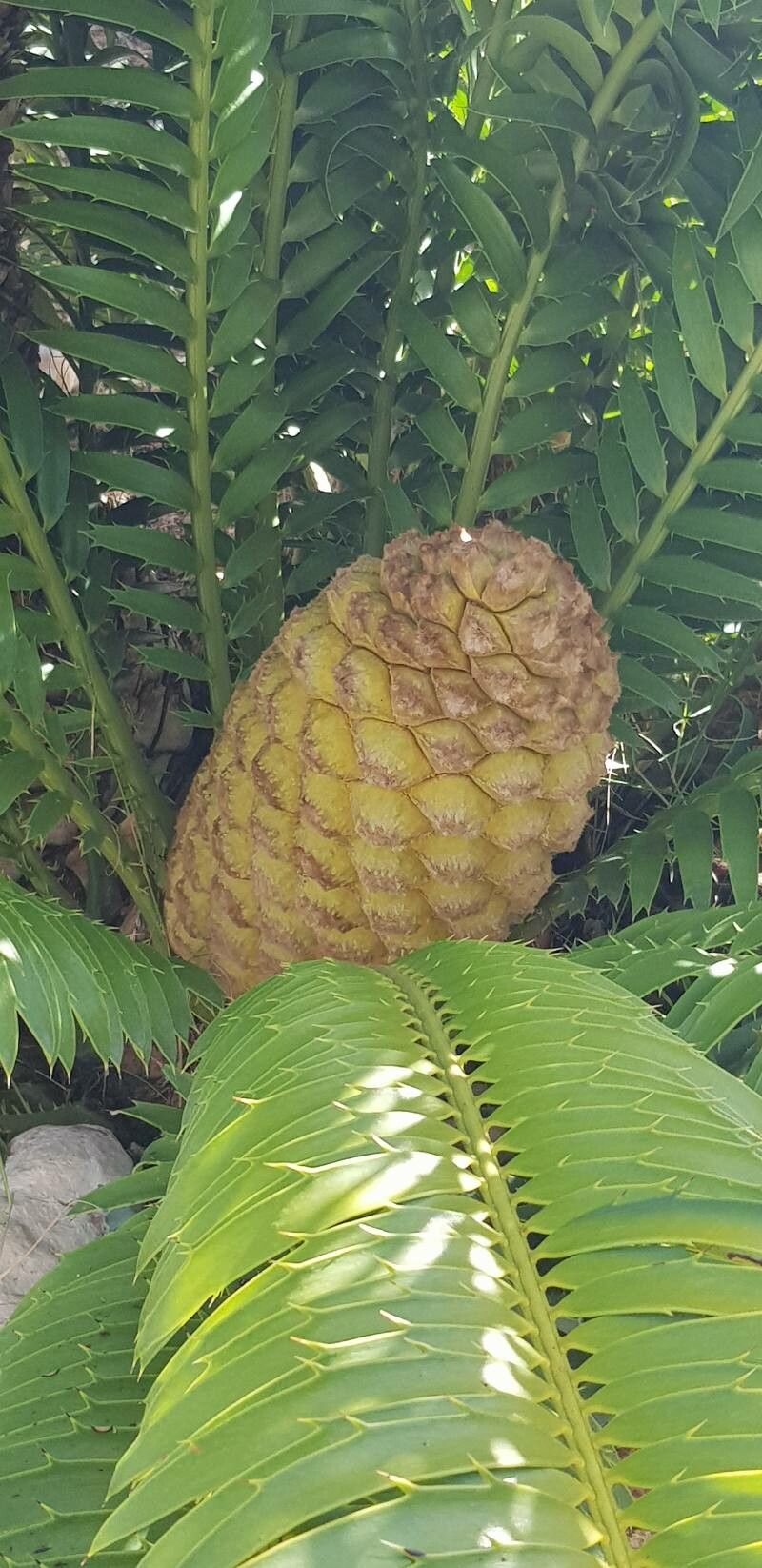
Propagating the Lebombo Cycad: A Gardener’s Guide to Encephalartos lebomboensis
Introduction
Encephalartos lebomboensis, commonly known as the Lebombo cycad, is a striking, slow-growing cycad native to the Lebombo Mountains of South Africa and Swaziland. Its distinctive, dark green, glossy fronds, which can reach impressive lengths, make it a highly sought-after ornamental plant for discerning gardeners. However, its slow growth and somewhat challenging propagation requirements contribute to its rarity in cultivation. This article explores the various methods for propagating E. lebomboensis, weighing their challenges and rewards.
Seed Germination
Seed germination is a viable but challenging method for propagating Encephalartos lebomboensis. The primary challenge lies in obtaining viable seeds, as seed production in cultivated plants can be inconsistent. Furthermore, fresh seeds are crucial, as viability decreases rapidly with age. Successful germination often requires careful stratification. This involves pre-treating the seeds, potentially by mimicking natural conditions in a controlled environment – placing them in a moist medium like vermiculite or peat moss at a slightly cooler temperature (around 15-20°C) for several weeks to break dormancy. Sowing should be done in a well-draining, sterile seed-starting mix, kept consistently moist but not waterlogged. High humidity is beneficial. While germination can take several weeks to months, the reward is the potential to create a genetically diverse population of plants, offering a greater chance of resilience in the long term, and also the possibility of large-scale propagation for conservation efforts.
Cuttings
Currently, there are no known reliable methods for propagating Encephalartos lebomboensis from cuttings. Cycads generally possess limited regenerative capabilities from stem or leaf cuttings. The specialized vascular system and slow growth rate make successful rooting extremely improbable.
Division
Division of established plants is only feasible with very large, mature E. lebomboensis specimens that have produced multiple stems or offsets. Even then, it is a risky undertaking due to the risk of significant damage to the parent plant. The process should only be attempted by experienced growers, using sterile tools and providing optimal conditions for the separated portions to root and establish. The reward, however, is the acquisition of a virtually identical plant, bypassing the long germination process.
Tissue Culture
Tissue culture offers a potentially powerful method for propagating Encephalartos lebomboensis, offering the potential for large-scale multiplication of genetically identical plants from a single source. However, this technique requires specialized laboratory equipment and expertise in sterile culture techniques. The high initial investment and specialized skill needed are significant barriers, but the rewards – rapid clonal propagation – make it an attractive approach for commercial growers or conservation programs. The establishment of reliable protocols for E. lebomboensis remains an area for ongoing research.
Conclusion
Propagating Encephalartos lebomboensis presents a unique set of challenges, with seed germination being the most accessible, though still requiring patience and meticulous care. Cuttings and division are largely impractical. Tissue culture holds the greatest potential for rapid and large-scale propagation but requires specialized resources and expertise. The rewards, however, are substantial: successfully cultivated Lebombo cycads are a testament to the gardener’s skill and perseverance. The slow-growing nature of this magnificent plant makes each new plant a significant accomplishment, a tangible reward for the time and effort invested. Aspiring propagators are encouraged to begin with seed germination, focusing on sourcing high-quality seeds and employing careful stratification techniques. While the journey may be challenging, the beauty and rarity of a successfully grown Encephalartos lebomboensis are well worth the effort.