
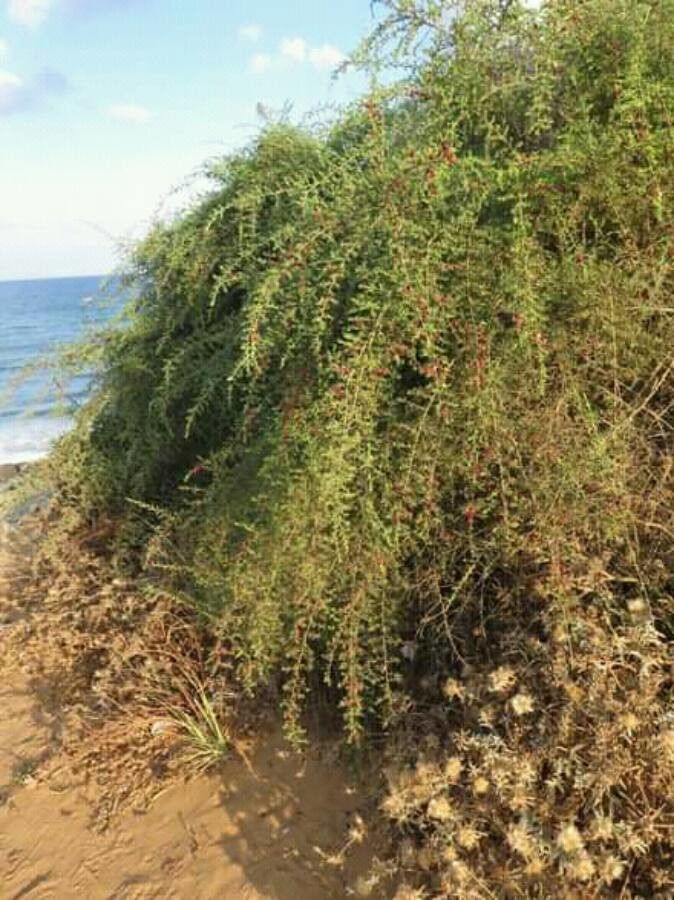
Unlocking the Secrets of Ruby Saltbush: A Guide to Propagating Enchylaena tomentosa
Enchylaena tomentosa, more commonly known as Ruby Saltbush, is a captivating Australian native plant celebrated for its vibrant red berries and ability to thrive in harsh conditions. This resilient shrub, with its silvery foliage and striking fruit, isn’t just a feast for the eyes – it plays a vital role in ecosystems, providing food and shelter for various bird species.
If you’re keen on introducing this hardy beauty to your garden, you’re in luck! Propagating Enchylaena tomentosa, though requiring a touch of patience, is a rewarding endeavor. Let’s dive into the two primary methods:
1. Seed Propagation: A Journey of Patience and Reward
Propagating Ruby Saltbush from seed mirrors its natural lifecycle and allows you to witness the plant’s development from its very beginning. Here’s how to embark on this rewarding journey:
Step 1: Seed Collection and Preparation:
- Timing is key: Collect mature berries in late summer or autumn when they display a deep, rich red hue.
- Extract the seeds: Gently crush the berries and separate the tiny, black seeds from the pulp.
- Break the dormancy: Enchylaena tomentosa seeds have a hard outer coating that requires some persuasion to germinate. You can achieve this through:
- Scarification: Lightly nick the seed coat with a nail file or sandpaper. This allows moisture to penetrate.
- Hot water treatment: Soak the seeds in hot (not boiling) water for 24 hours.
Step 2: Sowing the Seeds:
- Well-draining mix: Choose a seed raising mix designed for native plants or create your own using equal parts seed raising mix, coarse sand, and perlite.
- Shallow sowing: Sprinkle the seeds on the surface and cover them lightly with the mix.
- Moisture is key: Mist the soil surface with water and keep it consistently moist but not waterlogged.
- Patience is a virtue: Germination can take anywhere from a few weeks to several months.
Step 3: Nurturing the Seedlings:
- Gradual sun exposure: Once seedlings emerge, gradually introduce them to more sunlight each day to avoid scorching.
- Transplanting: When seedlings develop a strong root system and several sets of true leaves, they’re ready to be transplanted into individual pots or directly into your garden.
2. Cutting Propagation: A Faster Route to Established Plants
Taking cuttings offers a quicker way to propagate Enchylaena tomentosa, allowing you to bypass the often lengthy seed germination process. Here’s a breakdown of the method:
Step 1: Taking the Cuttings:
- Timing matters: Spring or early autumn offers the best chance of success.
- Select healthy stems: Choose firm, healthy stems that are not flowering or fruiting.
- Cut it right: Using clean, sharp secateurs, cut a 10-15cm section from the tip of the stem, making the cut just below a leaf node.
Step 2: Preparing the Cuttings:
- Remove lower leaves: Strip away the leaves from the lower third of the cutting.
- Hormone boost (optional): Dip the base of the cutting in rooting hormone to encourage root development.
Step 3: Planting the Cuttings:
- Potting mix: Prepare pots filled with a free-draining mix similar to the one used for seeds.
- Create a hole: Use a pencil or your finger to create a small hole in the potting mix.
- Plant and secure: Insert the cutting into the hole and gently firm the soil around it.
Step 4: Encouraging Root Development:
- Humidity is key: Create a mini greenhouse environment by covering the pot with a plastic bag or using a propagation dome to maintain humidity.
- Indirect sunlight: Place the cuttings in a bright location but out of direct sunlight.
- Patience is required: Rooting typically takes several weeks. Once new growth appears, you’ll know your cuttings have successfully rooted.
Bringing Ruby Saltbush into Your Garden
Whether you choose the gratifying challenge of starting from seed or the relative speed of propagation from cuttings, introducing Enchylaena tomentosa to your garden brings a wealth of rewards. Its vibrant display, resilience, and ecological importance make it a truly special addition, enriching your outdoor space with a touch of Australian native beauty.