
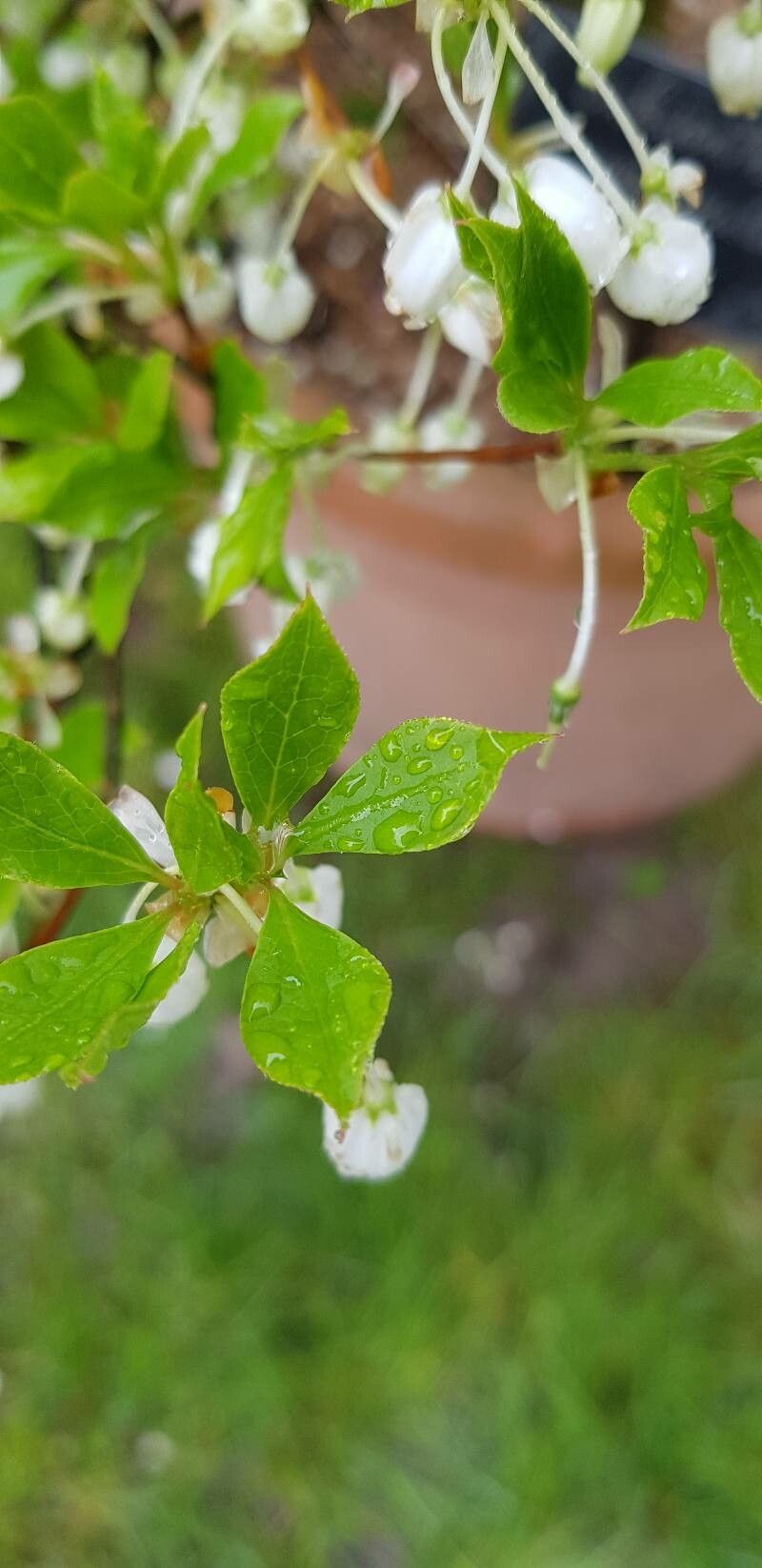
Unlocking the Secrets of Enkianthus campanulatus: A Guide to Propagation
The Enkianthus campanulatus, also known as the Redvein Enkianthus, is a graceful and captivating shrub beloved for its cascading bells of pink blossoms. This vibrant addition to any garden doesn’t just enchant with its beauty; it also holds the power to multiply, offering a chance to share its charm with friends, neighbors, or even a larger version of your own garden.
Unveiling the Magic of Propagation
Propagation, in simple terms, is the art of creating new plants from existing ones. With Enkianthus campanulatus, there are two primary methods you can employ:
1. The Power of Seeds:
- Timing is Key: Seeds are best harvested in the fall after they’ve ripened on the shrub.
- Pre-Sowing Prep: To help seeds germinate efficiently, stratify them. This means mimicking the cold conditions they’d experience naturally by placing them in a sealed container with moist peat moss or vermiculite and storing them in the refrigerator for a few months.
- Sowing Success: Come spring, sow the seeds in a seed tray filled with a well-draining potting mix. Cover them lightly with soil and keep the tray moist. You can expect seedlings to emerge in a couple of months.
- Patience and Persistence: Be prepared for a longer journey with this method. Seedling growth can be slower, and it may take a couple of years for the young plants to reach a size you’d consider transplanting to your garden.
2. The Art of Cuttings:
- Choosing the Right Cuttings: Take semi-hardwood cuttings in late summer or early fall. These are the stems that have matured a little but haven’t yet hardened completely.
- Preparing the Cuttings: Trim a 4-6 inch section of the stem, making the cut just below a leaf node (where the leaf attaches to the stem). Remove the leaves from the bottom inch or two.
- Rooted for Success: Dip the cut end of the stem in rooting hormone to encourage root development. Plant the cuttings in a pot filled with a rooting mix, making sure the cut end is buried in the medium. Keep the cuttings in a bright location that’s protected from direct sunlight.
- Maintaining Moisture: Keep the rooting mix consistently moist, using a misting bottle or a humidity dome. This helps prevent the cuttings from drying out.
- Timing is Everything: Patience is crucial here too. Rooting can take several weeks or even a few months.
- Transplantation: Once the cuttings develop a strong root system (usually indicated by new growth at the top), transfer them to individual pots with a well-draining potting mix.
Tips for Success:
- Choosing the Right Potting Mix: Ensure the potting mix you use is well-draining to prevent root rot.
- Optimum Location: Provide the new plants with partial shade and consistently water them during their establishing phase.
- Pest and Disease Management: Monitor the plants for any signs of pest or disease and take immediate steps for control.
Enjoying the Fruits of Your Labor
Propagating Enkianthus campanulatus is a rewarding experience. Witnessing the tiny seedlings emerge from the soil or the calloused cuttings take root fills you with a sense of achievement. As these new plants grow and flourish, they’ll not only add vibrancy to your garden but also become a testament to your dedication and love for nature.
Just remember, patience, care, and a touch of green thumb magic are the key ingredients for success. So, embark on your Enkianthus campanulatus propagation journey today, and watch as your garden becomes a testament to the beauty of growth, creation, and shared love for the natural world.