
Unlocking the Secrets of the False Banana: Propagating Ensete superbum
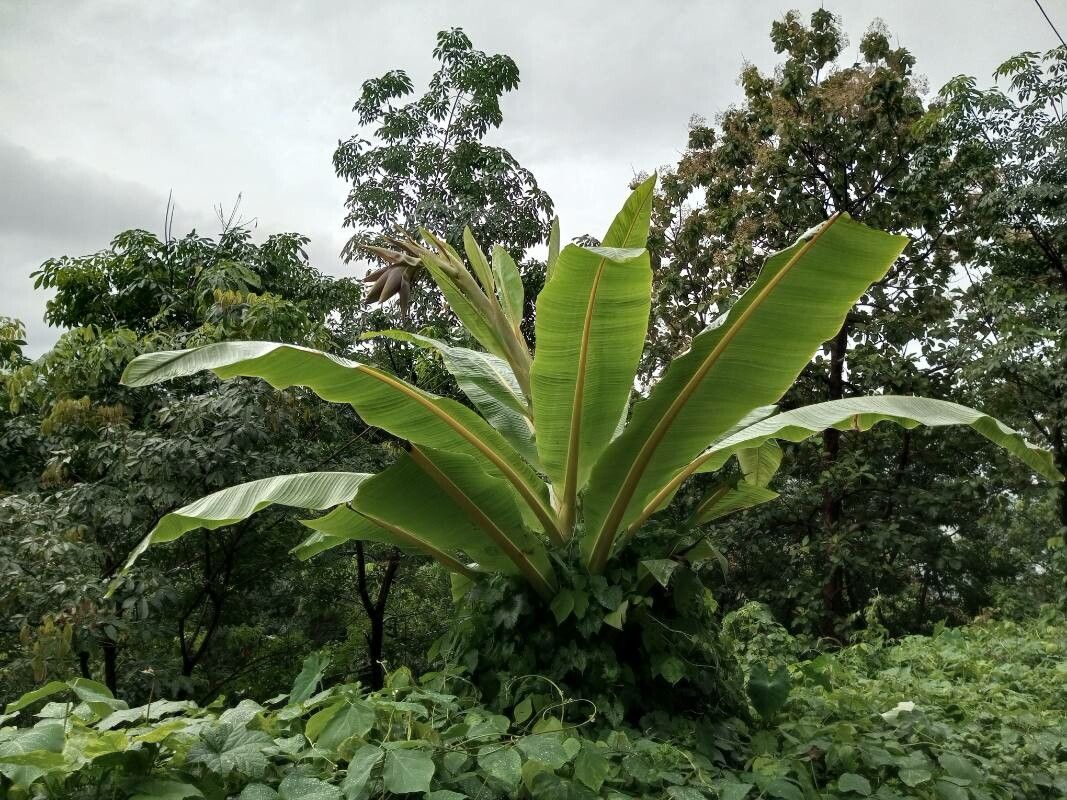
The Ensete superbum, also known as the “Rock Banana” or “Elephant Banana,” isn’t your average banana plant. Hailing from the hilly regions of Southeast Asia, this stunning ornamental stands out with its robust, architectural form and captivating, paddle-shaped leaves. Unlike its fruit-bearing cousins, the Ensete superbum boasts a unique life cycle and a fascinating method of propagation.
If you’re captivated by this elegant giant and want to add more to your garden, you’re in luck! Propagating Ensete superbum is an adventure in itself, and with a little patience and the right know-how, you can successfully cultivate new plants.
Understanding the Life Cycle:
The Ensete superbum is monocarpic, meaning it flowers only once in its lifetime, typically after 5-8 years. After this spectacular blooming event, the plant directs all its energy towards seed production, leaving behind a treasure trove of potential offspring nestled within a large, fleshy fruit. Following the seeding process, the mother plant gradually declines.
Propagating from Seeds:
While the mother plant might fade, its legacy lives on! Let’s delve into the step-by-step process of propagating Ensete superbum from seed:
Seed Extraction & Preparation: Carefully extract the seeds from the ripe fruit. These seeds are encased in a hard outer layer that needs softening for successful germination. Soak the seeds in warm water for 24-48 hours, changing the water periodically.
Sowing the Seeds: Prepare a well-draining seed-starting mix and sow the seeds about an inch deep. It’s crucial to maintain a consistently warm and humid environment for germination. Consider using a heat mat to provide the ideal temperature range of 75-85°F.
- Patience is Key: Germination can be slow and erratic, taking anywhere from a few weeks to several months. Keep the soil consistently moist but not waterlogged. Once the seedlings emerge, ensure they receive adequate light, gradually introducing them to direct sunlight.
Beyond Seeds: Exploring Other Methods:
While seed propagation is the most common method, there are alternative ways to expand your Ensete superbum collection.
Offsets/Suckers: In some cases, the mother plant might produce small offshoots or suckers at its base. Carefully separate these from the main plant, ensuring they have a good root system. Pot them individually, providing the same care as you would for seedlings.
- Tissue Culture: For large-scale propagation, tissue culture offers a commercially viable option. This method involves extracting plant cells and cultivating them in a sterile laboratory environment to produce numerous identical clones.
Nurturing Your New Generation:
Once your Ensete superbum plants have sprouted or you’ve successfully potted your offsets, it’s all about providing them with the right growing conditions. These plants thrive in warm, sunny locations with well-drained soil.
Regular watering, especially during the growing season, is crucial. Fertilize them periodically with a balanced fertilizer to support healthy growth. These magnificent plants are relatively pest and disease-free, making them a joy to care for.
Propagating Ensete superbum is a rewarding experience, allowing you to nurture new life from this botanical marvel. By following these guidelines and showering your plants with care, you can create a stunning display of these architectural giants in your own garden.