
From Seeds to Splendor: Unlocking the Secrets of Ephedra alata Propagation
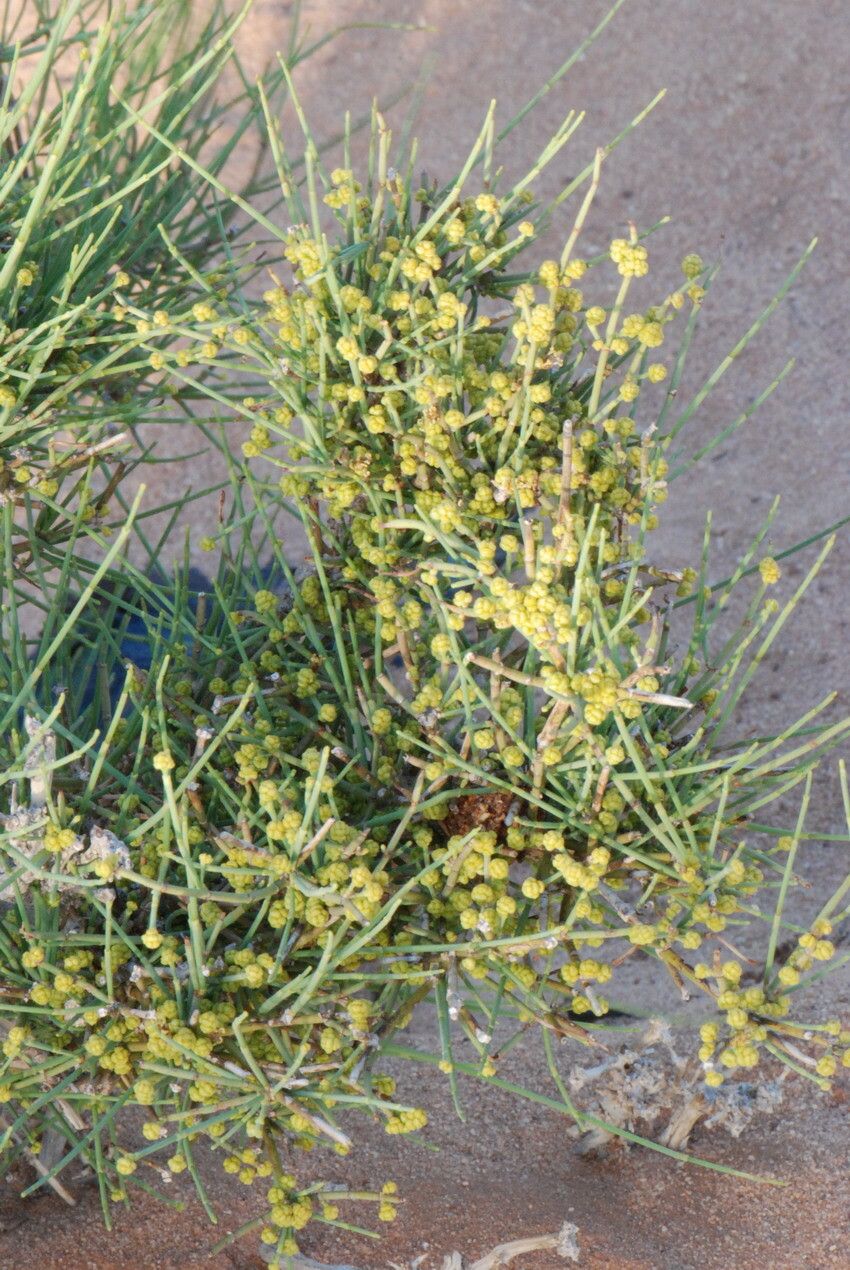
The world of plants is filled with fascinating oddities, and Ephedra alata, commonly known as Joint Fir, is a prime example. This unique, shrub-like plant, with its distinctive, segmented stems, boasts a history spanning millennia, with medicinal uses dating back to ancient times. If you’re captivated by this intriguing species and want to cultivate it yourself, the journey starts with propagation.
While Ephedra alata may seem like a challenging plant to propagate, it’s actually quite surprisingly achievable. This guide dives into the two primary methods – seed propagation and stem cuttings – enabling you to bring the unique beauty and ancient intrigue of Ephedra alata into your own garden.
1. Patience is Key: Embarking on the Seed Propagation Journey
Bringing Ephedra alata from seed is a rewarding but patient endeavor. Here’s how to navigate the process:
- Sourcing Seeds: Seeds are typically available from specialized nurseries or online retailers.
- Pre-Sowing Treatment: Ephedra alata seeds are known for their hard seed coat, which can prevent germination. Scarification – lightly scratching the seed coat with sandpaper – is often recommended. Soaking the seeds in lukewarm water for 24 hours can also help soften the coat.
- Sowing: Choose a well-draining seed starting mix and sow the seeds shallowly, barely covering them with soil.
- Germination Environment: Maintain a warm, consistently moist environment, ideally with a temperature between 70-80 degrees Fahrenheit. You can use a propagator or cover your seed tray with a plastic dome to retain humidity.
- Patience Pays Off: Germination can take anywhere from a few weeks to several months, so patience is crucial.
2. Quick Wins: Taking the Cutting Route
For a faster route to an Ephedra alata plant, stem cuttings are often the preferred method.
- Timing is Everything: The best time to take cuttings is during the spring or early summer when the plant is actively growing.
- Selection and Preparation: Choose healthy, non-woody stems, ensuring they are at least 4-6 inches long. Cut just below a node (the point where leaves or branches emerge).
- Rooting Hormone: Applying a rooting hormone to the base of the cutting can significantly enhance the chances of successful rooting.
- Planting: Insert the cutting into a pot filled with a well-draining potting mix. Place the pot in a bright, indirect light location.
- Moisture Control: Keep the soil consistently moist, but avoid overwatering. A humidity dome or clear plastic bag can help maintain moisture levels.
- Rooting Time: Expect the cutting to develop roots within a few weeks to a couple of months.
Beyond Propagation: Essential Care Tips
Once your Ephedra alata plant has established itself, providing proper care is crucial for its health and longevity. Here are some key considerations:
- Sunlight: Ephedra alata thrives in full sun to partial shade.
- Watering: Water thoroughly when the top inch of soil is dry, allowing the excess water to drain away.
- Soil: Well-draining soil is essential to prevent root rot. Adding sand or perlite to your soil mix can improve drainage.
- Fertilizer: Feed your Ephedra alata with a balanced fertilizer during the growing season.
- Dormancy: This plant experiences a period of dormancy in winter, reducing its water needs.
Ephedra alata’s captivating nature, combined with its relatively ease of propagation offers a unique opportunity for plant enthusiasts to cultivate this fascinating species. By understanding the nuances of both seed propagation and stem cuttings, you can unlock the secrets of bringing the intriguing beauty of Ephedra alata into your own garden.