
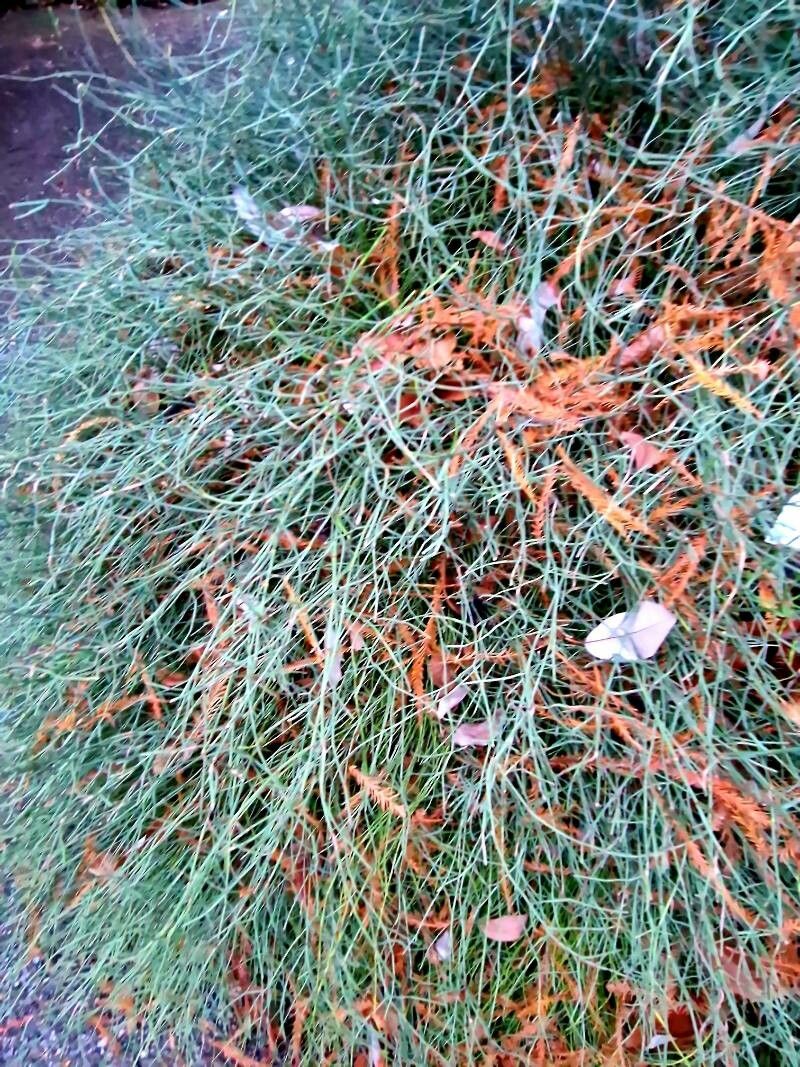
Propagating Ephedra chilensis: A Gardener’s Guide to the Chilean Jointfir
Introduction:
Ephedra chilensis, commonly known as the Chilean Jointfir or chilla, is a fascinating and hardy shrub belonging to the Ephedraceae family. This drought-tolerant, dioecious (separate male and female plants) species is prized for its unique, jointed stems and its historical and medicinal significance in some South American cultures. While not widely cultivated worldwide, its resilience and unusual appearance make it a popular choice among specialist gardeners seeking to add a touch of the arid landscape to their collections. However, Ephedra chilensis propagation presents distinct challenges due to its specific requirements, making successful cultivation a rewarding achievement.
Seed Germination:
Currently, there are no known reliable methods for seed germination propagation of Ephedra chilensis. While seeds may be produced, germination rates are extremely low, and successful cultivation from seed remains largely undocumented. Research into specific germination requirements is needed to determine if this method could become viable.
Cuttings:
This proves to be the most successful method for propagating Ephedra chilensis.
Challenges: The success rate of cuttings can vary depending on the timing, the type of cutting used (semi-hardwood cuttings are recommended), and the environmental conditions. Root development is slow, often taking several weeks or even months.
Practical Tips: Take semi-hardwood cuttings (6-8cm long) in late spring or early summer from actively growing shoots. Remove lower leaves to minimize water loss. Dip the cut ends in rooting hormone before planting in a well-draining, sandy propagation mix. Maintain high humidity (using a propagation dome or plastic bag) and consistent moisture, without overwatering. A bottom heat mat can help accelerate root development. Place cuttings in a partially shaded area.
Rewards: Cuttings offer a relatively straightforward method for obtaining genetically identical clones of a desirable parent plant, preserving its specific characteristics. It allows for rapid propagation of established plants.
Division:
Challenges: Division is rarely practical for Ephedra chilensis due to its deep, extensive root system and the risk of damaging the plant during the separation process. The plant’s growth habit doesn’t readily lend itself to easy division. Successful results are unlikely.
Practical Tips: If attempting division, it’s crucial to use sharp, sterile tools and ensure each division contains a significant portion of the root system. Replant immediately and water carefully to avoid shock. Expect slow recovery.
Rewards: (not applicable due to the challenges) Though potentially the fastest method if successful, due to the extremely high likelihood of failure, there are no rewards to be listed for this propagation method.
Tissue Culture:
Challenges: There is limited published data on tissue culture propagation of Ephedra chilensis. Establishing sterile cultures and identifying suitable growth media and hormonal treatments are significant hurdles. The process requires specialized equipment and expertise, rendering it unsuitable for the average home gardener.
Practical Tips: (This section would need research to be filled in with practical steps tailored for Ephedra chilensis. Existing information is sparse) The process requires a controlled environment with aseptic conditions, nutrient-rich media and optimized hormonal balances to encourage shoot and root development, followed by acclimatization of plantlets to greenhouse conditions.
Rewards: Tissue culture theoretically offers the possibility for large-scale propagation of Ephedra chilensis and could be crucial for conservation efforts. It also allows for rapid multiplication of superior genetic material.
Conclusion:
Propagating Ephedra chilensis presents unique challenges, with cuttings emerging as the most reliable method. Seed germination is currently unreliable, while division and tissue culture pose significant difficulties due to its growth habit and the need for specialized equipment and knowledge. However, the rewards outweigh the challenges for those who successfully cultivate this remarkable plant. The unique satisfaction of nurturing a hardy species from a cutting, after months of careful attention, makes the effort worthwhile. For aspiring propagators, patience, attention to detail, and a willingness to learn are key to success. Don’t be discouraged by initial setbacks; persistent effort will be handsomely rewarded with the addition of this captivating species to your garden. Further research into optimizing propagation methods, particularly for seed germination and tissue culture, would be a significant contribution to the cultivation of this intriguing plant.