
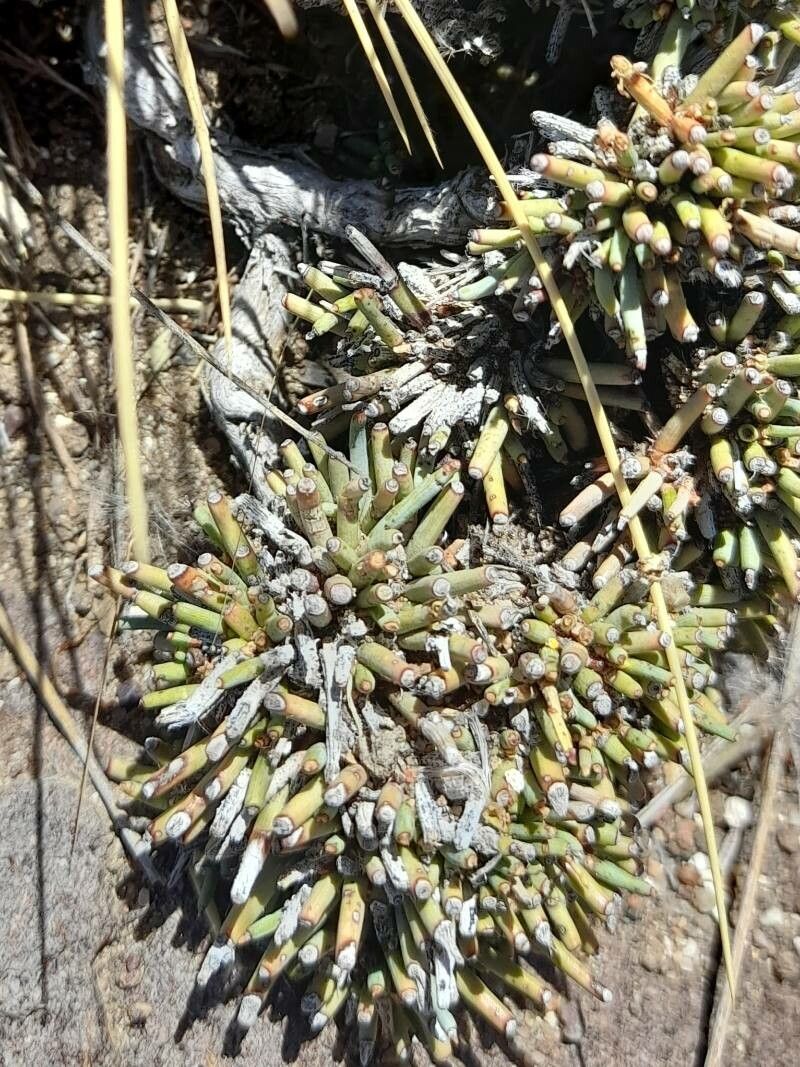
Taming the Desert Sprig: Propagating Ephedra frustillata
Ephedra frustillata, also known as the Desert Tea or Mormon Tea plant, captivates with its unusual, almost alien beauty. This desert dweller, with its slender, jointed stems and minimal leaves, might seem too exotic to cultivate at home. However, propagating Ephedra frustillata, though not common, can be a rewarding endeavor for plant enthusiasts looking for a unique addition to their collection.
Understanding Ephedra frustillata
This species of Ephedra is native to arid regions of North and South America. It’s crucial to understand its natural environment to provide the right conditions for propagation. These plants thrive in well-drained, sandy or rocky soil and can tolerate intense sun and drought.
Propagation Methods: Patience is Key
Propagating Ephedra frustillata primarily relies on two methods:
- Source: Obtaining seeds can be challenging, as they are not widely available commercially. Consider reputable online vendors specializing in unusual or desert plants.
- Sowing: Sow the seeds in a well-draining seed starting mix during spring or early summer. Barely cover the seeds with the mix and keep the soil consistently moist but not waterlogged.
- Patience: Germination can be slow and erratic, taking several weeks to months. Providing bottom heat (around 70-75°F) can help speed up the process.
- Transplanting: Once seedlings are a few inches tall, transplant them into individual pots with a well-draining cactus or succulent mix.
Stem Cuttings:
- Timing: This method is best performed in late spring or early summer when the plant is actively growing.
- Taking Cuttings: Select healthy, non-flowering stems about 4-6 inches long. Make clean cuts just below a node (where the leaves would emerge) using a sharp, sterilized knife or pruning shears.
- Preparation: Remove the lower leaves from the cutting, leaving a few at the top. Applying rooting hormone to the cut end can increase the chances of success.
- Planting: Plant the cuttings in a well-draining rooting mix, burying at least one node below the surface. Keep the mix lightly moist and provide bright, indirect light.
- Rooting: It can take several weeks for cuttings to develop roots. Be patient and avoid disturbing the cutting during this time.
Care for Young Plants:
Newly propagated Ephedra frustillata plants need special attention until they become established:
- Light: Provide plenty of bright, indirect light or some direct sunlight.
- Watering: Water thoroughly when the soil is almost completely dry. Avoid overwatering, as it can lead to root rot.
- Fertilization: During the growing season (spring and summer), fertilize lightly every 4-6 weeks with a balanced, diluted fertilizer.
A Note of Caution:
While Ephedra frustillata has traditional medicinal uses, it also contains ephedrine, a stimulant that can be harmful if ingested improperly. Always err on the side of caution, especially if you have children or pets, and consult a medical professional before using any part of the plant.
The Rewards of Patience:
Successfully propagating Ephedra frustillata requires patience and dedication. However, the reward of nurturing this unique desert dweller from seed or cutting to a thriving plant is an incredibly satisfying experience for any plant enthusiast.