
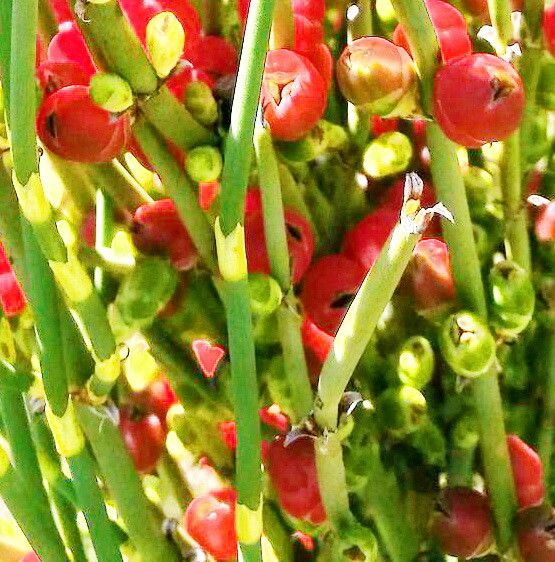
Unlocking the Secrets of Ephedra ochreata: A Propagation Guide for the Adventurous Gardener
Ephedra ochreata, also known as the Chilean joint fir or yellow Mormon tea, is a fascinating plant with a prehistoric lineage and a unique, almost alien beauty. Native to the arid regions of South America, this evergreen shrub thrives in harsh conditions and adds a touch of the exotic to gardens.
If you’re looking to add Ephedra ochreata to your landscape or simply want to share the wonder of this ancient species, propagation is key. However, unlike many common garden plants, Ephedra ochreata can be a bit trickier to propagate, requiring patience and understanding of its unique needs.
This guide will equip you with the knowledge and techniques to successfully propagate this fascinating species.
Two Roads to Propagation:
Ephedra ochreata can be propagated through two main methods:
1. Seed Propagation:
- The Challenge: While Ephedra ochreata does produce cones containing seeds, germination rates can be notoriously low and unpredictable.
- The Process:
- Seed Collection: Harvest mature cones in late summer or early fall. Look for dry, brown cones.
- Seed Extraction: Gently crush the cones to release the seeds.
- Cold Stratification: Ephedra seeds often require a period of cold stratification to mimic their natural environment. Place the seeds in a moist paper towel within a sealed plastic bag and refrigerate them for 4-8 weeks.
- Sowing: Plant the cold-stratified seeds in a well-draining soil mix, lightly covering them with soil.
- Patience is Key: Germination can take several weeks to several months. Keep the soil consistently moist but not waterlogged.
2. Propagation from Cuttings:
- Higher Success Rate: Propagating from cuttings taken from established plants offers a higher success rate and faster results compared to seeds.
- The Process:
- Timing is Everything: Take cuttings during the active growing season, ideally in late spring or early summer.
- Choosing the Right Cuttings: Select healthy, semi-hardwood stems that are about 4-6 inches long.
- Prepare the Cuttings: Remove the lower leaves from the cutting, leaving only a few at the top. Dip the cut end in rooting hormone to encourage root development.
- Planting the Cuttings: Place the cuttings in a pot filled with a well-draining mix (a mixture of perlite, vermiculite, and peat moss works well).
- Creating the Ideal Environment: Maintain high humidity by covering the pot with a plastic bag or placing it in a humidity dome. Place the pot in a warm, bright location out of direct sunlight.
- Monitoring Progress: Check the cuttings regularly for root development. This can take several weeks. Once the cuttings show signs of new growth, you can gradually acclimate them to their outdoor environment.
Essential Tips for Success:
- Well-Draining Soil: Ephedra ochreata is highly susceptible to root rot, so a well-draining soil mix is crucial for both seed sowing and propagation from cuttings.
- Patience is Paramount: Ephedra ochreata is a slow-growing plant, and propagation can require patience. Don’t be discouraged if results are not immediate.
- Mimic Natural Conditions: Remember that this species thrives in arid environments. Avoid overwatering, provide plenty of bright light, and ensure good air circulation.
Propagating Ephedra ochreata is a rewarding experience for those who appreciate the unique beauty and resilience of this ancient plant. By following these guidelines and exercising patience, you can successfully cultivate new plants and enjoy the distinct charm of the Chilean joint fir in your own garden.