
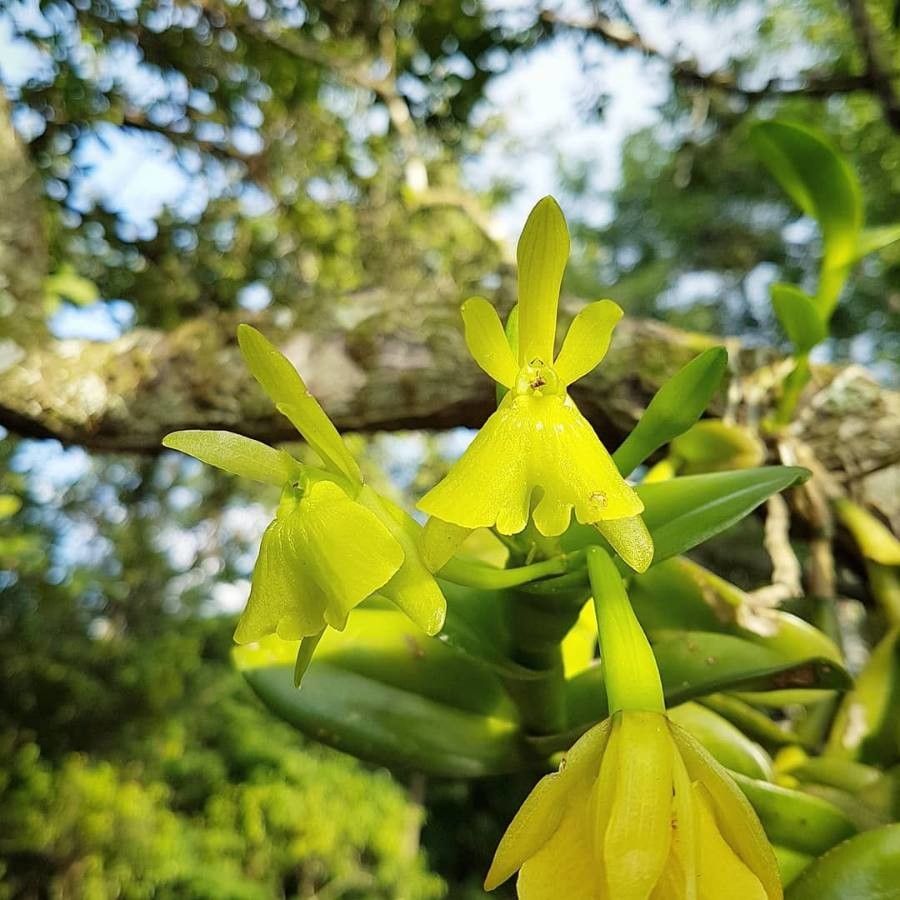
Unveiling the Secrets: How to Propagate the Exquisite Epidendrum acroamparoanum
The Epidendrum acroamparoanum, with its vibrant orange blooms and graceful, arching stems, is a sight to behold. This epiphytic orchid, native to the cloud forests of Ecuador, captivates orchid enthusiasts and casual plant lovers alike. But did you know that you can multiply your floral treasures and share the joy of this species? Let’s delve into the world of Epidendrum acroamparoanum propagation and unlock the secrets to success!
Understanding the Basics
Before we embark on this propagation journey, it’s crucial to understand the plant’s growth habit. The Epidendrum acroamparoanum, like many orchids, grows sympodially, meaning it produces new growths along a horizontal stem called a rhizome. These new growths, known as keikis, are essentially miniature clones of the parent plant. They develop their own roots and eventually mature to produce blooms.
Methods for Multiplication
There are two primary methods for propagating Epidendrum acroamparoanum:
1. Keiki Division: This is the most common and arguably the easiest method.
- Timing is Key: Wait until the keiki develops a healthy root system of at least 2-3 inches in length. This typically happens when the keiki has 3-4 mature leaves.
- Gentle Separation: Carefully detach the keiki from the mother plant using a sterilized, sharp cutting tool. Make sure to include a portion of the rhizome and any attached roots.
- Potting Up: Plant the keiki in a well-draining orchid potting mix. Ensure the base of the plant is level with the potting mix, but do not bury the leaves.
- Patience is a Virtue: Provide the newly potted keiki with bright, indirect light, moderate humidity, and consistent watering. Avoid overwatering, as this can lead to root rot.
2. Backbulb Propagation: For a more advanced technique, consider backbulb propagation.
- Identifying Backbulbs: Backbulbs are older, leafless pseudobulbs along the rhizome. They serve as energy reserves for the plant and have the potential to sprout new growths.
- Creating the Right Environment: Remove any dry sheaths from the backbulb. Prepare a humid environment, such as a propagation box or a sealed plastic bag with moist sphagnum moss.
- Stimulating Growth: Place the backbulb horizontally on the moist medium, ensuring it is in contact but not buried. Maintain warmth and humidity.
- Emergence of New Life: With patience, small growths will emerge from the base of the backbulb. Once these new growths develop roots, you can pot them up as you would a keiki.
Caring for Your Propagations
Whether you choose keiki division or backbulb propagation, the key to success lies in proper post-propagation care. Epidendrum acroamparoanum thrives in bright, indirect light, intermediate temperatures, and high humidity. Water when the potting mix is nearly dry, ensuring good drainage. Fertilize regularly during the growing season with a balanced orchid fertilizer diluted to half strength.
Propagating your Epidendrum acroamparoanum is a rewarding experience that allows you to expand your orchid collection and share the beauty of this captivating species. With a little patience, care, and the right knowledge, you can successfully propagate this orchid and enjoy its stunning blooms for years to come.