
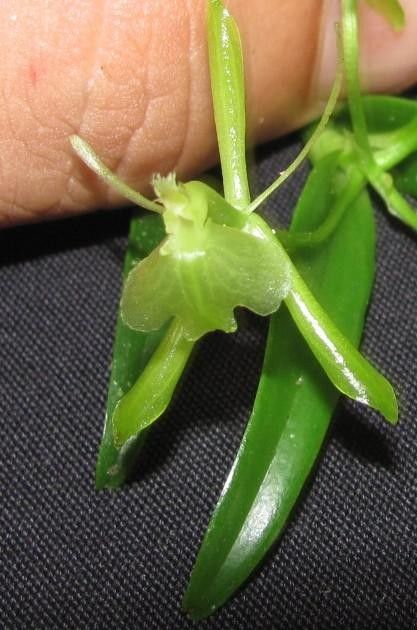
Propagating Epidendrum firmum: A Guide for Orchid Enthusiasts
Epidendrum firmum, also known as the “Stiff Epidendrum,” is a captivating orchid species appreciated for its robust growth habit and striking, often fragrant, flowers. Characterized by its thick, stiff stems and relatively large flowers compared to some other Epidendrum species, it holds a special place among orchid enthusiasts. Its adaptability makes it a popular choice for both beginners and experienced growers, while its somewhat challenging propagation adds a layer of rewarding complexity. This article explores the various methods available for propagating this fascinating species.
Seed Germination:
Currently, there are no known reliable methods for seed germination propagation of Epidendrum firmum. Orchid seeds are notoriously minute and lack endosperm (the nutrient-rich tissue supporting seedling development). They require a symbiotic relationship with specific fungi (mycorrhizae) for successful germination, a relationship difficult to replicate in a home setting. While some orchid seed germination techniques have been developed in laboratories, applying them to Epidendrum firmum would require specialized equipment and sterile conditions not readily accessible to the average grower.
Cuttings:
Propagating Epidendrum firmum through cuttings is also generally considered unreliable. Unlike some other orchids that readily root from stem cuttings, Epidendrum firmum‘s thick, stiff stems are less prone to producing adventitious roots. While some success might be achieved by taking cuttings with several nodes and treating them with rooting hormone, the success rate remains low, and the process is slow. Challenges include the risk of fungal infections and the slow callusing and rooting process. The rewards, if successful, would be the production of genetically identical plants from a parent plant demonstrating desirable traits.
Division:
Division proves to be the most reliable and practical method for propagating Epidendrum firmum. This technique involves carefully separating the plant into multiple sections, each with its own roots and sufficient stems. The best time for division is during the active growth phase, typically after flowering.
- Challenges: Success depends heavily on ensuring each division has a healthy root system and at least several pseudobulbs. Damaging the roots during division can weaken the plant, leading to failure. The size of the mother plant limits the number of divisions achievable.
- Practical Tips: Use a sharp, sterilized knife or shears to avoid damaging the tissues. Plant each division immediately into well-draining orchid potting mix. Avoid overwatering in the initial days post-division.
- Rewards: Division provides the fastest and most reliable method of increasing the number of plants. It maintains the genetic characteristics of the parent plant.
Tissue Culture:
Tissue culture is a viable, albeit technically demanding, method for propagating Epidendrum firmum. It offers the potential for large-scale propagation and the creation of disease-free plants. However, this method requires specialized equipment, sterile lab conditions, and expertise in plant tissue culture techniques.
- Challenges: The initial investment in equipment and materials is substantial. This is a highly sterile process requiring meticulous attention to prevent contamination. The process can also be time-consuming, requiring months before plantlets form.
- Practical Tips: This method is not suitable for home propagation. It requires the expertise of a tissue culture lab or a dedicated hobbyist with the necessary equipment and understanding.
- Rewards: Large numbers of genetically identical plants can be produced from a single plant explant, enabling efficient mass propagation. Disease-free plants can be guaranteed.
Conclusion:
Propagating Epidendrum firmum presents both challenges and immense rewards. While seed germination and cuttings offer limited success, division offers a reliable method for experienced growers. Tissue culture offers the possibility for large-scale propagation but demands advanced skills and resources. The satisfaction of successfully propagating this robust yet somewhat challenging orchid, regardless of the method employed, is a testament to patience, dedication, and a deep appreciation for the wonders of the plant kingdom. For aspiring propagators, starting with division is recommended, gradually gaining more experience and exploring other techniques as their skills and resources allow. The journey itself, filled with learning and occasional setbacks, forms a significant part of the unique satisfaction derived from cultivating this beautiful orchid.