
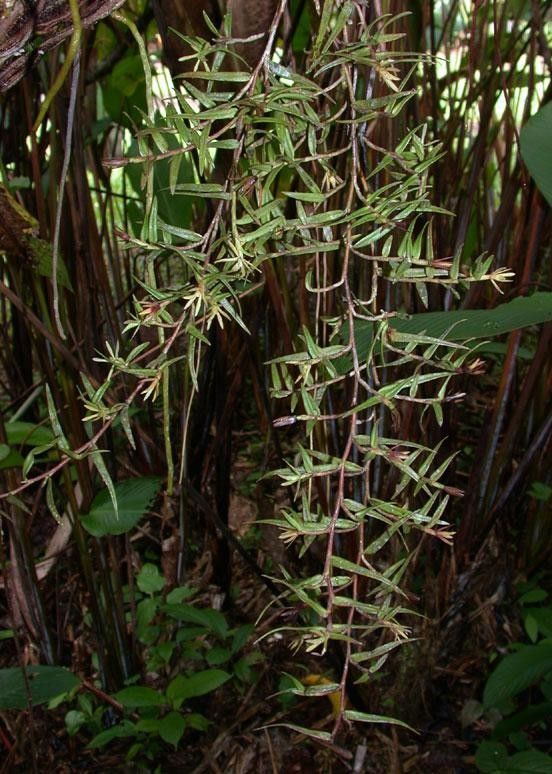
Unlocking the Secrets of Epidendrum isomerum Propagation: A Guide to Multiplying Your Orchid
The Epidendrum isomerum, with its vibrant orange blooms and air-loving roots, is a captivating orchid that can bring a touch of the tropics to your home. While caring for this unique species might seem daunting at first, propagating Epidendrum isomerum is surprisingly achievable, even for beginner orchid enthusiasts. This comprehensive guide will equip you with the knowledge and techniques to multiply your orchid collection and share the joy of these stunning plants.
Understanding Epidendrum isomerum’s Growth Habit:
Before diving into propagation, it’s crucial to understand how this orchid grows. Epidendrum isomerum is a sympodial epiphyte, meaning it grows horizontally and produces new shoots along a rhizome. Each new shoot, or “pseudobulb,” matures and eventually blooms. Understanding this growth pattern is key to successful propagation.
Propagation Methods for Success:
Epidendrum isomerum can be propagated through two primary methods:
1. Division:
- Timing is Key: The ideal time for division is during spring, just as the plant begins its active growth phase.
- Careful Selection: Choose a healthy and mature plant with at least 4-5 pseudobulbs. Ensure the rhizome connecting the pseudobulbs is healthy and firm.
- Clean and Sharp: Sterilize a sharp knife or pruning shears to prevent the spread of disease.
- The Division Process: Carefully divide the rhizome, ensuring each division has at least 2-3 pseudobulbs and a healthy root system.
- Potting Your Divisions: Plant each division in a well-draining orchid mix, ensuring the rhizome is slightly above the potting medium.
- Aftercare: Place the newly potted divisions in a warm, humid environment with bright, indirect light. Water sparingly until new growth emerges.
2. Keiki Propagation:
Occasionally, Epidendrum isomerum produces “keikis” – miniature plantlets that grow on mature pseudobulbs. These keikis are clones of the parent plant and offer an easy propagation method.
- Identifying Keikis: Look for small plantlets emerging from the base of a pseudobulb.
- When to Remove: Wait until the keiki develops at least 3-4 roots and 2-3 leaves before separating it from the parent plant.
- Gentle Removal: Use a sterilized sharp tool to carefully detach the keiki from the parent plant.
- Potting the Keiki: Plant the keiki in a small pot with a well-draining orchid mix.
- Providing the Right Environment: Place the newly potted keiki in a warm, humid location with bright, indirect light.
- Patience is Key: Keikis may take longer to establish than divisions. Be patient and consistent with care.
Essential Tips for Propagation Success:
- Always use sterilized tools to prevent the spread of disease.
- Choose a well-draining orchid mix specifically formulated for epiphytes.
- Provide bright, indirect light and avoid direct sunlight.
- Maintain humidity levels between 50-70%.
- Water sparingly, allowing the potting mix to dry slightly between waterings.
- Fertilize regularly during the growing season with a balanced orchid fertilizer.
Propagating Epidendrum isomerum might require a bit of patience and care, but the rewards are well worth the effort. With the right knowledge and a little dedication, you can successfully multiply your collection, share these stunning orchids with others, and enjoy a vibrant display of their fiery blooms for years to come.