
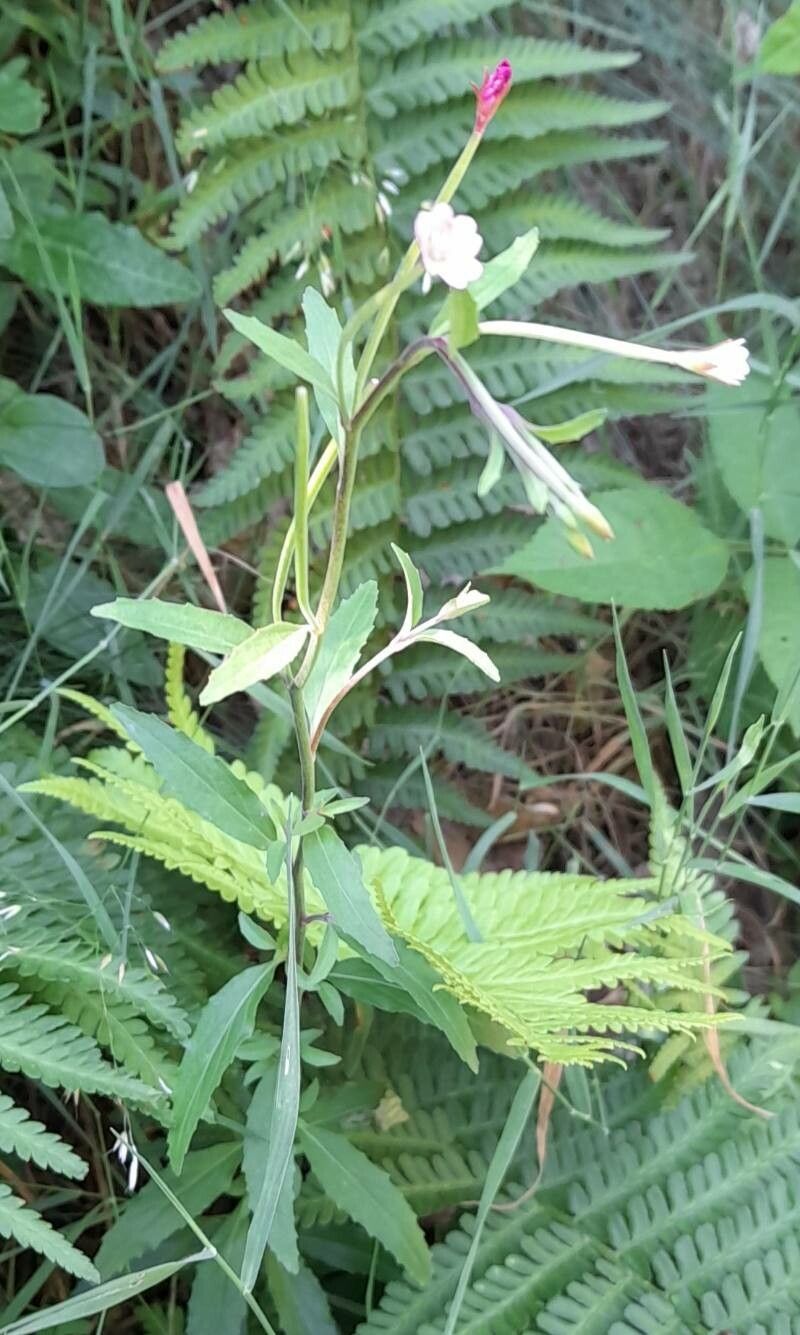
From Seed to Success: Propagating the Fireweed (Epilobium lanceolatum)
The fireweed (Epilobium lanceolatum), with its vibrant pink blooms and striking foliage, is a beautiful and resilient native plant that can grace any garden. But beyond its aesthetic appeal, this wildflower offers a plethora of fascinating features, including its remarkable ability to self-propagate. If the thought of growing your own fireweed from seed or cuttings excites you, you’ve come to the right place.
Understanding the Fireweed’s Reproductive Prowess
Fireweed is a master of natural propagation. Its fluffy seeds, which are dispersed by the wind, readily take root in disturbed ground, making it a common sight along roadsides, forest edges, and recently burned areas. But you don’t have to rely solely on nature’s whims for your fireweed bounty. You can easily propagate this plant from seeds and cuttings, ensuring a flourishing patch in your garden.
Starting From Seed: A Simple and Rewarding Process
Timing is Key: Sow fireweed seeds in the spring or fall. They prefer cool temperatures, which might mean starting them indoors if you’re in a warmer climate.
Preparing the Soil: Choose a well-drained seed starting mix. Ensure the soil is moist but not waterlogged.
Sowing the Seeds: Fireweed seeds are tiny, so only sprinkle them on the surface of the soil. Gently press them in with your finger. You might need a magnifying glass!
Providing Moisture: Mist the seeds lightly and cover the container with a plastic dome or wrap to create a humid environment.
- The Waiting Game: Fireweed seeds germinate best in cool temperatures. Expect germination in 1-2 weeks.
A Cut Above: Propagating via Cuttings
For a faster and more immediate result, propagating fireweed from cuttings is a viable option.
Choose Your Cuttings: Select healthy, non-flowering stems in early summer. Cutting tips about 4-6 inches long are ideal.
Prepare the Cuttings: Make a clean cut just below a node (the point where leaves grow from the stem). Remove the lower leaves to expose the stem for root development.
Root Hormone (Optional): To enhance root growth, dip the cut end of the stem in rooting hormone.
Planting: Pot the cuttings in a well-drained seed starting mix. Keep them moist and in a sunny location, out of direct sunlight.
- Patience is a Virtue: Rooting may take 2-4 weeks. Be patient and resist the urge to constantly check on your cuttings.
Caring for Your Fireweed: A Simple Routine
Fireweed thrives in full sun and prefers well-drained soil. Water regularly, especially during dry spells. They are generally pest-free and disease-resistant.
Beyond the Garden: Fireweed’s Many Benefits
Fireweed is not just a beautiful addition to your flowerbeds. It’s an important source of nectar for pollinators, providing them with a much-needed food source. In traditional medicine, fireweed has been used to treat a variety of ailments, including stomach aches, burns, and skin infections.
Experiment and Discover
Whether you choose to grow fireweed from seed or cuttings, this plant offers a rewarding and satisfying gardening experience. Its resilience, adaptability, and beauty make it a valuable addition to any garden. So, why not explore the world of fireweed propagation and create your own flourishing patch of these remarkable wildflowers?