
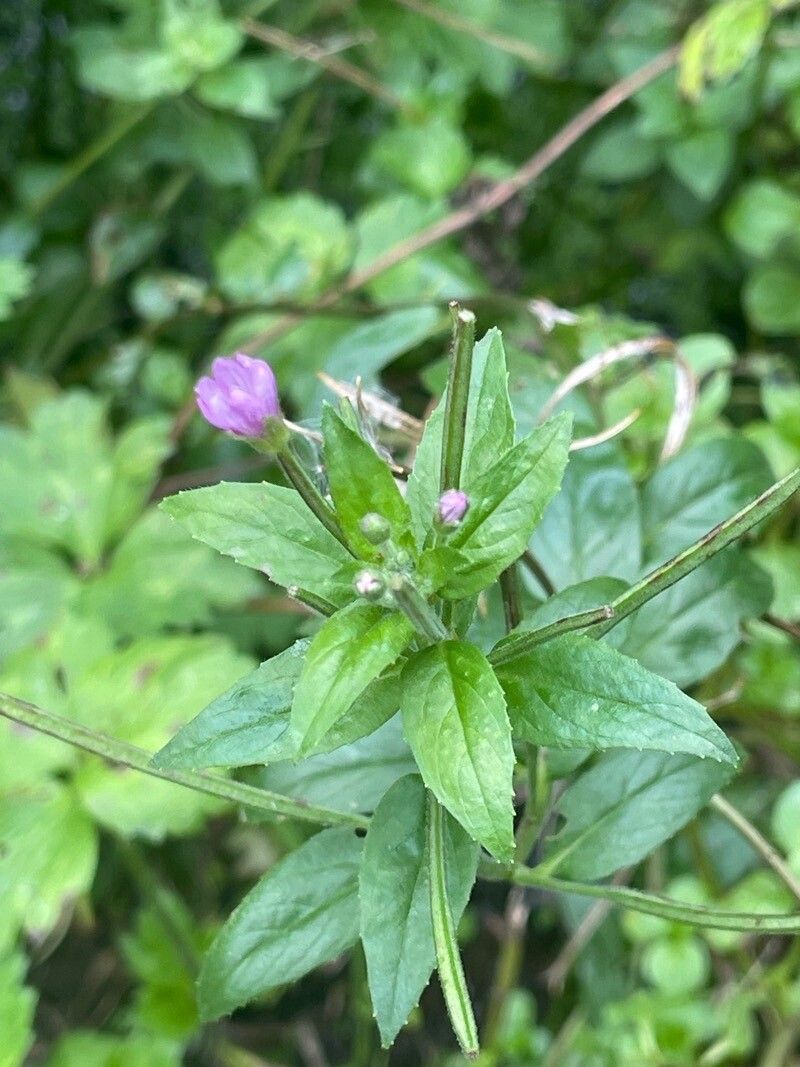
Propagating Marsh Willowherb (Epilobium palustre): A Gardener’s Guide
Introduction
Epilobium palustre, commonly known as Marsh Willowherb, is a charming, herbaceous perennial found in damp habitats across Europe and parts of Asia. Characterized by its delicate pink or purple flowers and slender, willow-like leaves, it adds a touch of wild beauty to waterside gardens and bog gardens. While not as widely cultivated as some garden staples, its adaptability and ease of propagation (by certain methods) make it a rewarding addition for enthusiasts seeking a low-maintenance, native plant. Its spreading habit makes it especially popular for naturalizing areas and providing cover for beneficial insects. However, its propagation can present some unique challenges.
Seed Germination:
Currently, there are no known reliable methods for seed germination propagation of Epilobium palustre. While the plant produces seeds, their germination rate is notoriously low, and successful propagation from seed is rarely reported. Further research into specific germination requirements, including stratification techniques and precise environmental conditions, may be needed to unlock this propagation method effectively.
Cuttings:
Cuttings offer a more reliable method for propagating Epilobium palustre.
Challenges: The success rate depends on the timing and technique. Using softwood cuttings taken in spring or early summer generally yields the best results.
Practical Tips: Take cuttings about 10cm long, removing lower leaves to avoid rot. Dip the cut ends in a rooting hormone solution before planting them in a moist, well-draining potting mix. Maintaining high humidity (using a propagator or covering with a plastic bag) is crucial for successful rooting.
Rewards: Cuttings allow for the relatively quick propagation of genetically identical plants, preserving desirable traits. This method is also suitable for smaller scale propagation and easier than division for less established plants.
Division:
Division is a relatively straightforward and successful method for propagating established Epilobium palustre plants.
Challenges: Requires a well-established plant with sufficient root mass. Timing is important—spring or autumn are best, when the plant is actively growing or going dormant.
Practical Tips: Carefully dig up the plant, gently tease apart the root system, ensuring each division has healthy roots and shoots. Replant the divisions immediately, ensuring they are well-watered and have good drainage.
Rewards: Division allows for rapid increase in the number of plants and is a simple and efficient technique for gardeners with established specimens.
Tissue Culture:
Tissue culture propagation of Epilobium palustre is not a readily available or commonly used method for home gardeners. It requires specialized equipment, sterile conditions, and expertise in plant tissue culture techniques.
Challenges: High initial investment in equipment and media, requires aseptic techniques to prevent contamination, and specialized knowledge.
Practical Tips: This method is best left to professionals or specialized labs.
Rewards: Potential for mass propagation of pathogen-free plants; allows for preservation of rare or endangered genotypes.
Conclusion
Propagating Epilobium palustre presents a mix of challenges and rewards. While seed propagation is currently unreliable, cuttings and division offer viable, relatively accessible options for gardeners. The success of these methods hinges on careful timing, technique, and attention to detail. The satisfaction of successfully cultivating this graceful plant from a cutting or by division, however, far outweighs the effort involved. The resilience of Marsh Willowherb and its ability to thrive in damp conditions make it a very rewarding plant to grow for those who enjoy challenging themselves and appreciate the beauty of native flora. For aspiring propagators, I encourage patience, experimentation, and a bit of perseverance – the results will enrich your garden and provide a profound connection to the natural world.