
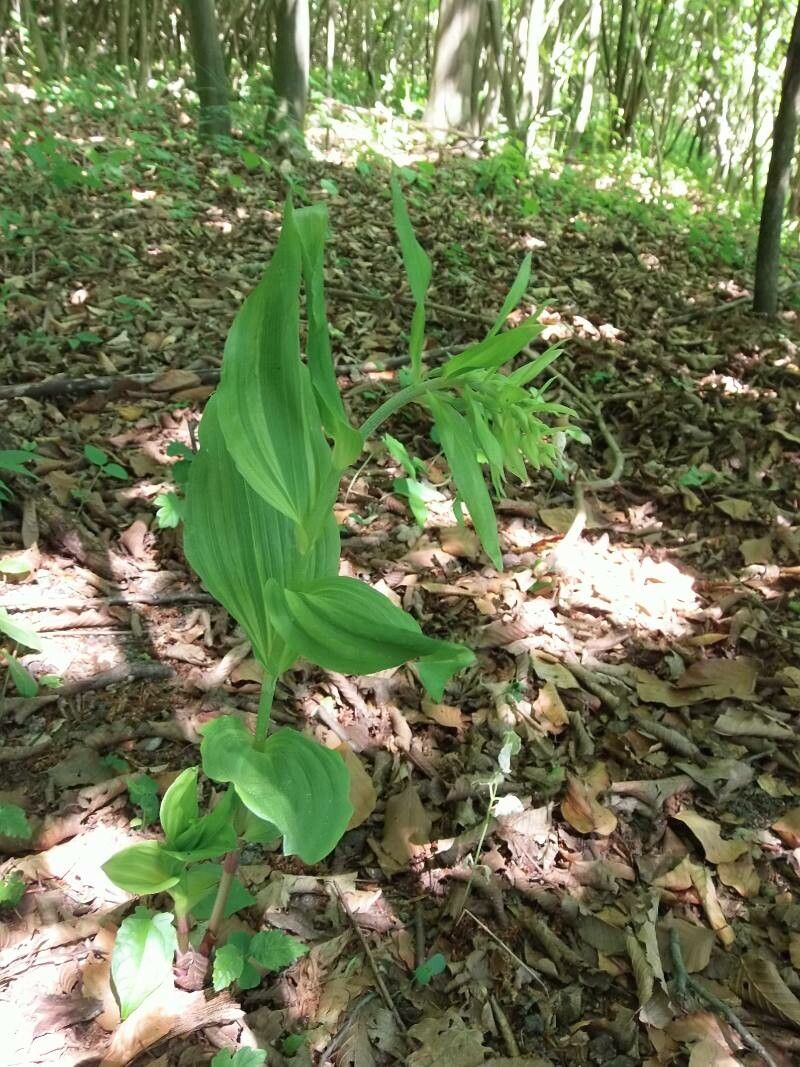
Unlocking the Secrets of the Wild: Propagating the Elegant Epipactis helleborine
The Epipactis helleborine, also known as the Broad-leaved Helleborine, is a captivating wild orchid that graces shady woodlands across Europe and parts of Asia. Its delicate, airy flowers and intricate beauty are no doubt a source of delight for any nature enthusiast. Yet, what many don’t know is that this seemingly delicate plant is actually quite resilient and even adaptable enough to be propagated!
While propagating Epipactis helleborine isn’t for the faint of heart, it’s a rewarding experience for passionate gardeners looking to bring a touch of the wild into their own spaces. So, if you’re curious about the magic of propagating this unique orchid, let’s dive in!
Understanding the Basics:
Before diving into the methods, it’s crucial to understand the nuances of Epipactis helleborine. Firstly, it’s a mycorrhizal plant, meaning it relies on a symbiotic relationship with specific fungi in the soil. This partnership is crucial for the orchid’s survival, so mimicking these conditions is paramount for successful propagation. Secondly, Epipactis helleborine thrives in shady, moist environments, replicating these conditions is crucial for healthy growth.
Now, let’s explore the primary methods of propagation:
1. Seed Propagation: A Challenge for the Patient Gardener
Seed propagation is a common method for orchids, but it’s challenging for Epipactis helleborine. This is mainly because the seeds are microscopically small and require sterile conditions, as well as a presence of the specific mycorrhizal fungi to germinate. You’ll need sterile sowing materials and a specific mix of sterilized peat and sand. Add a source of mycorrhizae to the mix and sow the seeds. Maintaining high humidity and consistent moisture is crucial. Germination can take several months, and it’s often challenging even with the right conditions.
2. Division: A More Reliable Choice
For many orchid enthusiasts, division is a more accessible and reliable approach. This technique involves carefully separating the plant’s rhizome, which is the underground stem extending horizontally. Before you attempt division, ensure the plant is well-established and healthy.
Here’s how to carry out division:
- Choose healthy plants: Look for plants with vigorous growth and multiple healthy stems.
- Prepare the divisions: Using a sharp, sterilized knife, carefully cut through the rhizome, ensuring each division has a few growth points and roots.
- Planting the divisions: Carefully plant the divisions in a well-prepared, shady location rich in organic matter and well-drained soil. Water thoroughly, ensuring the roots are well-hydrated.
- Post-division care: Keep the divisions in a shaded area with consistent moisture. It’s recommended to use a fine mulch around the plants for moisture retention.
3. A Word of Caution: Ethical Considerations
While propagation can be a rewarding endeavor, it is crucial to practice ethical and sustainable harvesting. If you are planning to harvest seeds or divide plants, be sure to do so from wild populations with care and consideration. Only take a small proportion of seeds and avoid taking too many divisions from a single plant, ensuring the long-term health of the wild population.
Remember, you’re not just cultivating a plant, you’re nurturing a vital part of the ecosystem.
A Final Note on Success and Patience
Propagating Epipactis helleborine can be a rewarding experience. However, be prepared for some challenges along the way. It requires patience, a bit of know-how, and a genuine appreciation for the intricate dance of nature. By respecting these delicate plants and their environment, we can ensure their beauty continues to grace our woodlands for generations to come.