
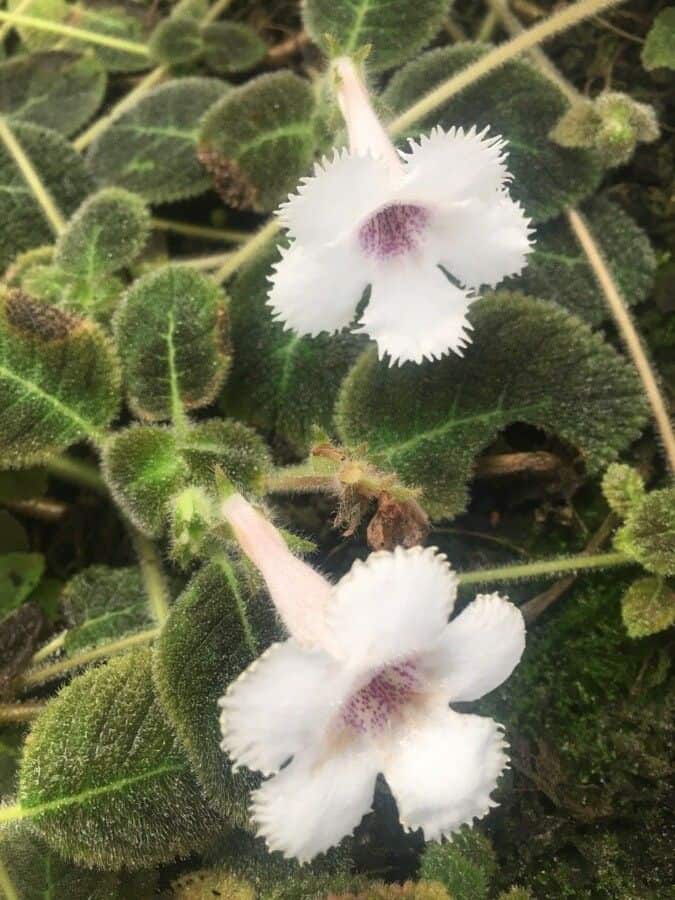
More Flame Violets For Your Oasis: Easy Episcia Fimbriata Propagation
With their vibrantly colored leaves that seem to shimmer like stained glass, it’s no wonder Episcia fimbriata, also known as the Flame Violet, has become a beloved houseplant. But did you know that this beauty is also remarkably easy to propagate? That’s right, you can easily turn one stunning plant into a whole family of vibrant foliage!
This article explores the different ways you can propagate your Episcia fimbriata and multiply your collection without breaking the bank.
Understanding Episcia fimbriata Basics
Before we dive into propagation, understanding a little about this plant’s growth habits is helpful. Episcia fimbriata is a trailing plant, meaning it naturally spreads horizontally, sending out runners (also called stolons). These runners sprout new plantlets at their tips, making Episcia fimbriata a natural at self-propagation.
Method 1: Stolons (Runners)
The easiest and most common method for propagating Episcia fimbriata is through its stolons:
- Identify a healthy stolon: Look for a long, vigorous runner with a well-developed plantlet at its end.
- Prepare a small pot: Fill it with a well-draining potting mix, similar to what you use for the mother plant.
- Pin down the plantlet: Without detaching the stolon from the mother plant, gently press the plantlet into the soil of the prepared pot. You can use a small stake or a bobby pin to secure it in place.
- Water consistently: Keep the soil consistently moist, ensuring the new plantlet establishes itself.
- Separate from the mother: Once the plantlet develops a strong root system (usually after a few weeks), you can safely sever the stolon connecting it to the mother plant.
Method 2: Leaf Cuttings
While slightly less common, propagating Episcia fimbriata from leaf cuttings is also surprisingly achievable:
- Choose a healthy leaf: Select a mature, healthy leaf with a short stem (petiole) attached.
- Prepare the cutting: With a clean, sharp knife or scissors, trim the stem just below a leaf node.
- Choose your medium: You can root the cutting in either water or a well-draining potting mix. If using water, change it regularly to prevent stagnation. For soil, ensure it remains consistently moist.
- Wait patiently: It may take several weeks for roots and eventually new growth to appear.
- Pot your new plant: Once a good root system develops, carefully pot your new Episcia fimbriata in a suitable pot using a well-draining potting mix.
Tips for Propagation Success:
- Optimal timing: Spring and summer offer the best conditions for propagation, as the plant is actively growing.
- Indirect light: While Episcia fimbriata enjoys bright, indirect light, avoid placing freshly propagated plants in direct sunlight, which can scorch their delicate new growth.
- Humidity boost: Consider increasing humidity around your cuttings by covering them with a clear plastic bag or placing them in a humidity dome.
Propagation is a rewarding way to expand your Episcia fimbriata collection while also deepening your understanding of this captivating plant. With a bit of patience and these simple steps, you’ll soon be enjoying even more of this plant’s mesmerizing beauty throughout your home!