
From Seed to Lawn: Unlocking the Secrets of Eragrostis Minor Propagation
Eragrostis minor, commonly known as lovegrass, is a versatile and attractive grass species often used in lawns, landscaping, and even soil stabilization projects. But did you know you can easily propagate this beautiful grass yourself? This blog post will delve into the world of Eragrostis minor propagation, offering tips and tricks for both beginners and experienced gardeners.
The Power of Seeds:
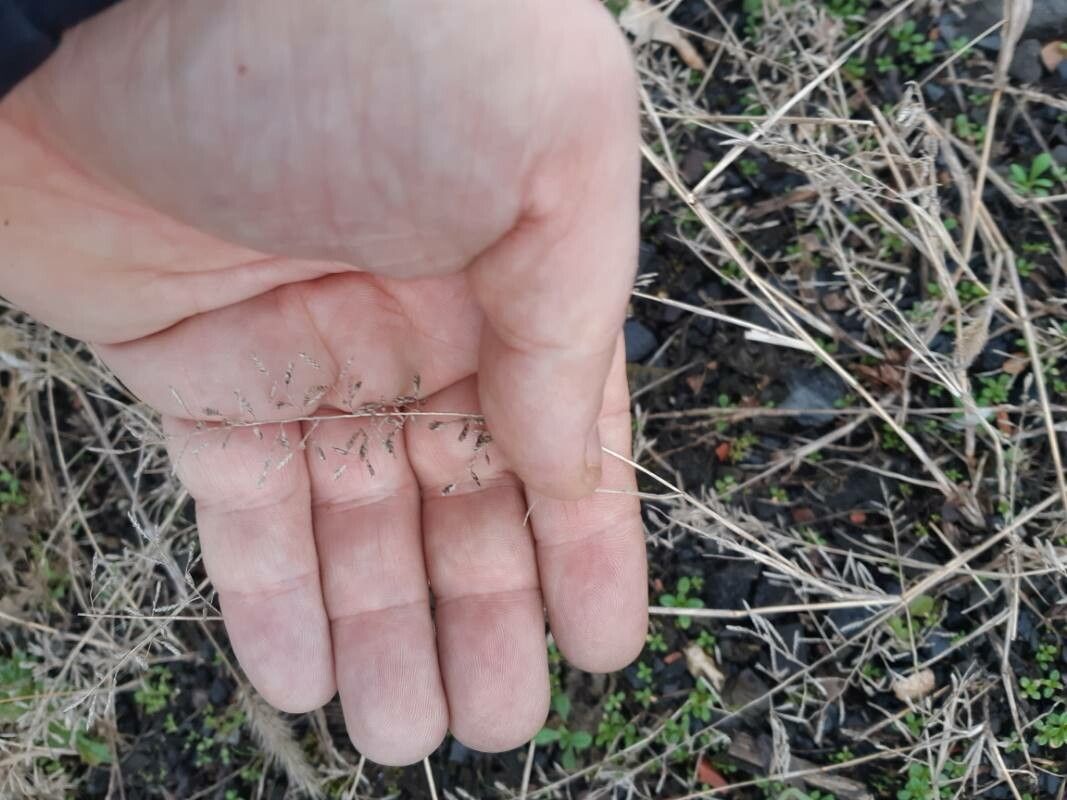
Eragrostis minor propagation primarily relies on seeds. These seeds are tiny, but don’t let their size fool you! They are packed with life and readily germinate under the right conditions. To start, you’ll need to collect mature seed heads from healthy Eragrostis minor plants. The seed heads will appear at the end of elongated stalks, turning from green to a light brown as they mature. Once the seeds have dried, simply rub them between your fingers to release them, and they’re ready for planting.
Starting Indoors:
For a head start, consider starting your Eragrostis minor seeds indoors. This method allows you to control the environment and promote faster growth.
- Potting Up: Fill small seed trays or pots with a well-draining seed starting mix. Eragrostis minor prefers a loose, airy soil.
- Sowing the Seeds: Gently sprinkle the seeds on the surface of the soil and lightly press them in – don’t bury them!
- Moisture and Light: Keep the soil consistently moist but not soggy. Place the trays in a bright location, but avoid direct sunlight. Eragrostis minor seeds germinate best in temperatures ranging from 70-80°F.
- Thinning: Once the seedlings have developed their first true leaves, thin them out to give each plant ample space to grow.
Direct Sowing:
If you prefer, you can sow your Eragrostis minor seeds directly into the garden. This is typically done in the late spring or early summer when the soil has warmed up.
- Prepare the Soil: Choose a sunny location with well-drained soil. Work in some compost to improve soil structure and nutrient content.
- Scattering the Seeds: Scatter the seeds evenly over the prepared soil.
- Watering: Lightly water the area to encourage germination.
Post-Propagation Care:
Regardless of whether you started your seeds indoors or directly, once your Eragrostis minor plants are established, consistent watering and periodic fertilization will help them flourish. Be mindful of weeds, and regularly remove them to prevent competition for resources.
Benefits of Home Propagation:
Propagating Eragrostis minor from seed offers several advantages:
- Cost-Effective: You can save money by starting your own grass from seed instead of purchasing starter plants.
- Control over Variety: You can select specific Eragrostis minor strains that best suit your needs, ensuring the desired characteristics for your lawn or landscaping.
- Greater Abundance: Starting from seed allows you to grow a larger number of plants, providing you with plenty of material for your project.
Eragrostis Minor: A Beautiful and Versatile Choice
Propagating Eragrostis minor from seed is a rewarding and achievable endeavor. With a little patience and effort, you can cultivate healthy, thriving plants that will transform your landscape. So gather your seeds, choose your propagation method, and enjoy the beauty and versatility that this remarkable grass offers!