
Propagating Erica andevalensis: A Gardener’s Guide to the Andalusian Heath
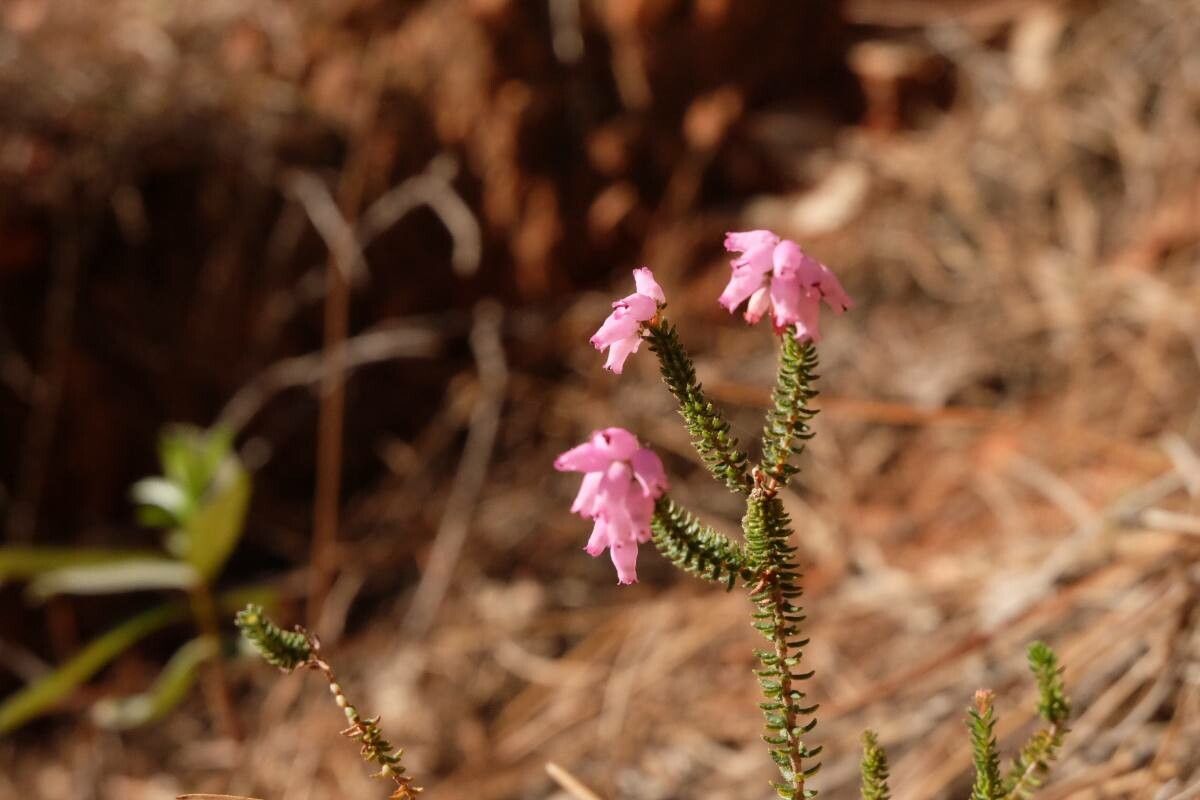
Erica andevalensis, commonly known as Andalusian Heath, is a charming evergreen shrub native to southwestern Spain and Portugal. Its delicate, bell-shaped flowers, often a vibrant pink or purplish-red, bloom profusely, making it a highly prized addition to gardens and rockeries. Its compact habit and drought tolerance contribute to its popularity among gardeners seeking low-maintenance, yet visually striking, landscaping options. However, propagating this beautiful heath presents some unique challenges.
Seed Germination:
Currently, there are no known reliable methods for seed germination propagation of Erica andevalensis. While seed production is possible, germination rates are notoriously low, and success is largely anecdotal. Further research is needed to determine optimal germination conditions, including potential stratification requirements or specific hormonal treatments. For now, seed propagation is not considered a practical method for this species.
Cuttings:
Cuttings offer a more reliable method of propagating Erica andevalensis.
Challenges: The primary challenge with cuttings is achieving successful rooting. Andalusian Heath cuttings are susceptible to fungal diseases and rot if not given proper care.
Practical Tips: Take semi-hardwood cuttings in late summer or early autumn. Use a sharp, sterile knife or shears to take 8-10cm long cuttings, removing lower leaves to prevent rot. Dip the cut ends in a rooting hormone powder before planting them in a well-drained, free-draining potting mix (e.g., a mix of peat moss, perlite, and vermiculite). Maintain high humidity using a propagation dome or plastic bag. Consistent moisture is crucial, but avoid waterlogging.
Rewards: Cuttings provide a faster and more reliable way to obtain genetically identical plants to the mother plant, preserving desirable traits. This is a more practical method for gardeners aiming to increase their stock of this specific cultivar.
Division:
Division is not a practical method for propagating Erica andevalensis. This shrub has a relatively compact and fibrous root system, making it difficult to divide without severely damaging the plant. Furthermore, the smaller divisions often struggle to establish themselves.
Tissue Culture:
Tissue culture is a potentially viable, albeit complex and expensive, method for propagating Erica andevalensis.
Challenges: Establishing sterile culture conditions and developing appropriate media formulations for optimal growth and regeneration are significant hurdles. Specialized equipment and expertise are required.
Practical Tips: This method should be attempted only in a properly equipped laboratory setting by trained personnel. The process involves transferring small tissue samples to a sterile nutrient medium, where they regenerate into new plantlets.
Rewards: Tissue culture allows for the rapid multiplication of desirable genotypes and offers a means to eliminate diseases. It offers the potential for large scale propagation, meeting demand for this desirable plant.
Conclusion:
Propagating Erica andevalensis presents unique challenges depending on the chosen method. Seed germination currently offers little hope of success, while division is impractical. Cuttings prove a moderately reliable approach for smaller-scale propagation by home gardeners, requiring careful attention to humidity and moisture levels. Tissue culture, though complex, presents the potential for large-scale propagation, but is beyond the scope of most home enthusiasts.
The unique satisfaction of successfully cultivating Andalusian Heath from a cutting, overcoming the challenges of propagation, is a rewarding experience that gardeners will appreciate. The delicate beauty of this species makes the effort worthwhile, reminding us of the patience and dedication required to nurture these captivating plants. For those starting out, we strongly recommend attempting the cutting method, ensuring careful attention to detail and consistent monitoring is given. With patience and diligent care, you too can enjoy the beauty of your successfully propagated Andalusian Heath.