
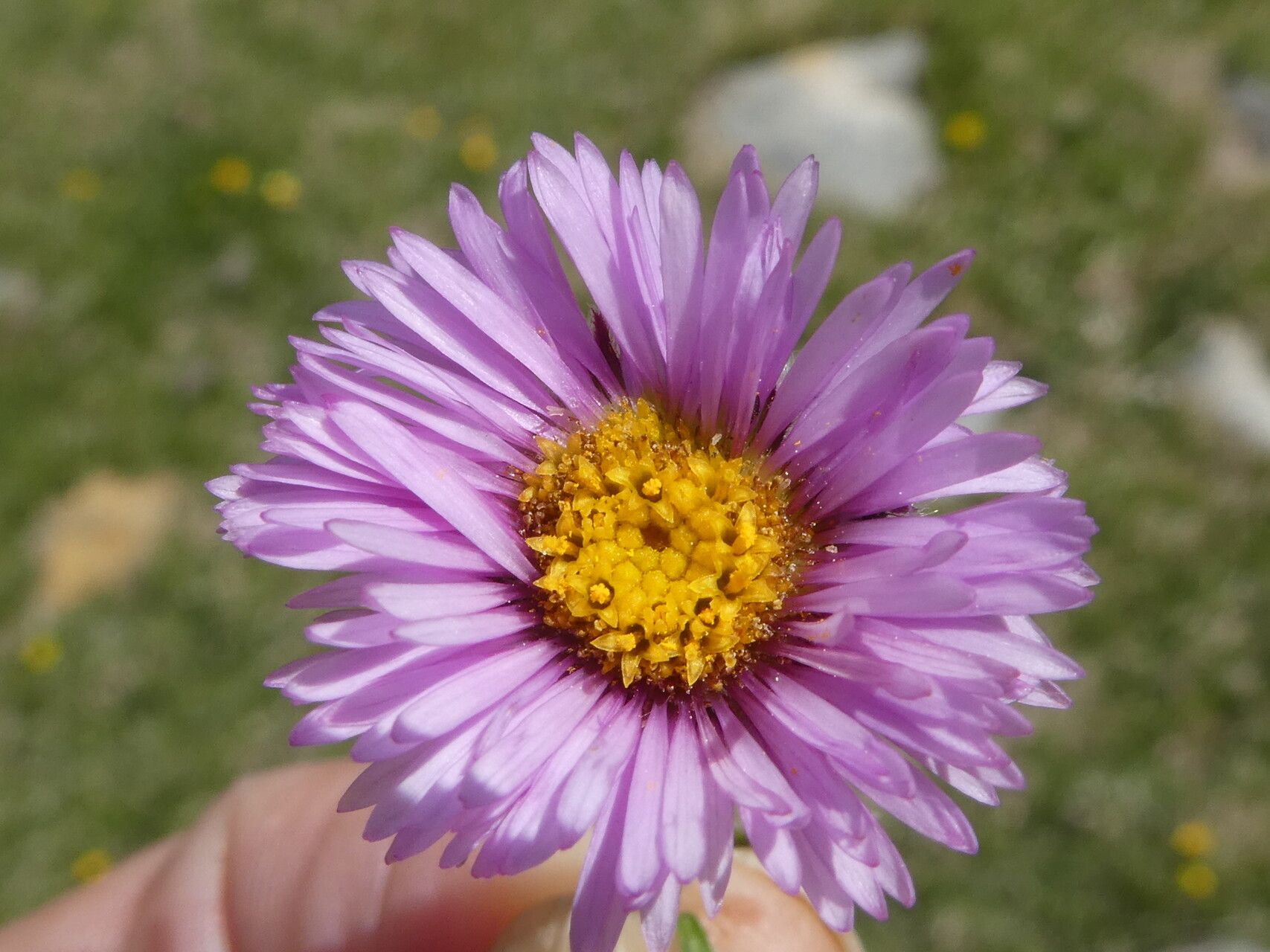
Unlocking the Secrets of Erigeron aragonensis: Propagation Made Easy
Erigeron aragonensis, also known as the Aragonese fleabane, is a stunning, low-growing perennial boasting a carpet of vibrant purple flowers from spring to fall. This hardy native of Europe adds a touch of rustic beauty to any garden and is a magnet for pollinators. But what if you want to share this beauty with friends or simply expand your own garden’s bounty? That’s where propagation comes in!
Propagation is the process of creating new plants from existing ones, and Erigeron aragonensis is remarkably easy to propagate. This allows you to multiply your stock without spending money on new plants and to enjoy the satisfaction of growing your own. Let’s explore the two most effective methods:
1. Division:
Division is the simplest and most reliable method for propagating Erigeron aragonensis. This technique works best when the plant is dormant, ideally in early spring or late fall. Here’s how:
- Prepare the plant: Carefully dig up a mature clump of Erigeron aragonensis, ensuring you get some of the surrounding soil.
- Divide the clump: Use a sharp knife or garden trowel to carefully separate the plant into individual divisions, each with healthy roots and foliage.
- Repotting: Plant each division in a pot filled with well-draining potting mix, ensuring the top of the root ball is at or slightly below the soil level. Water thoroughly.
- Hardening off: Before planting in the garden, gradually acclimatize the plants to outdoor conditions over a week or two. This involves exposing them to increasing amounts of sunlight and wind.
- Planting: When the threat of frost has passed, plant your divisions in a sunny location with well-draining soil. Space them approximately 12 inches apart.
2. Seed Propagation:
While Erigeron aragonensis can be propagated via seeds, it’s a bit more time-consuming than division. Here’s how to get started:
- Collect seeds: Harvest seeds from mature flowerheads after they have turned brown and dry.
- Stratification: The seeds need a cold treatment period called stratification to germinate successfully. This can be done by mixing the seeds with moist vermiculite or sand and storing them in a refrigerator for 6-8 weeks.
- Sowing: Once the stratification period is complete, sow the seeds in seed trays filled with a seed starting mix. Cover them lightly with soil and keep the soil moist.
- Germination: The seeds should start germinating in 2-3 weeks at a temperature of around 65-70°F (18-21°C).
- Thinning: Once seedlings have a few true leaves, thin them out, leaving the strongest seedlings to grow.
- Transplant: Once the seedlings are large enough, transplant them into individual pots or directly into the garden.
Tips for Success:
- Water consistently: Ensure your plants receive regular watering, especially during dry periods, but avoid overwatering.
- Fertilize sparingly: Feed your plants with balanced fertilizer once or twice during the growing season.
- Mulch: Apply a layer of mulch around your Erigeron aragonensis plants to help retain moisture and suppress weeds.
By following these simple steps, you can propagate Erigeron aragonensis and enjoy its vibrant blooms for years to come. Whether you choose division or seed propagation, remember to research your climate and choose the method that’s best suited for your location. Enjoy the rewarding journey of propagating this beautiful and resilient plant!