
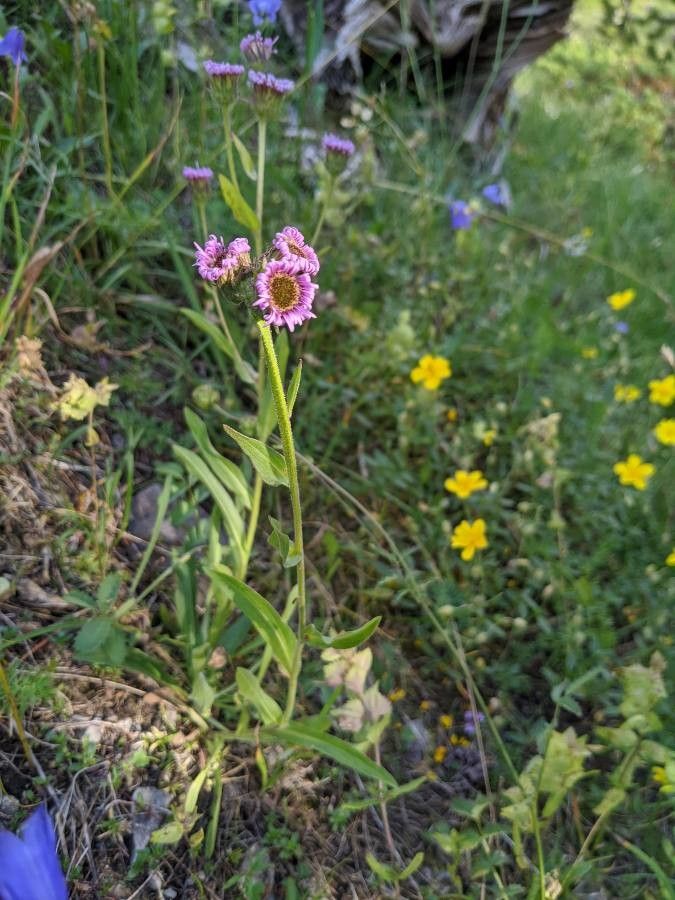
Taming the Wild Beauty: How to Propagate Erigeron Atticus
Erigeron Atticus, also known as the Greek Fleabane, is a charming wildflower with daisy-like blooms that effortlessly brighten up any garden. Native to the mountains of Greece, this perennial boasts delicate, lavender-pink flowers that bloom from late spring to early summer, attracting bees and butterflies with their cheerful charm.
While acquiring Erigeron Atticus from a nursery is possible, propagating this beautiful species yourself is incredibly rewarding and straightforward. Let’s explore the two most effective methods:
1. Seed Starting: A Dance with Patience
Propagating Erigeron Atticus from seed requires patience, but the reward of witnessing the entire life cycle is truly fulfilling.
- Timing is Key: Start your seeds indoors 6-8 weeks before the last expected frost. This allows the seedlings to establish themselves before being transplanted outdoors.
- Sowing the Seeds: Use a well-draining seed starting mix and sprinkle the seeds on the surface, barely pressing them down. Erigeron Atticus seeds need light to germinate.
- Creating a Humid Haven: Mist the soil surface with water and cover the tray with a plastic dome or humidity dome to retain moisture.
- Light and Warmth: Place the seed tray in a bright location, but out of direct sunlight. Maintain a temperature of around 70-75°F (21-24°C).
- Germination: Be patient! Germination can take anywhere from 14 to 28 days.
- Transplanting: Once the seedlings have developed a couple of sets of true leaves, they are ready to be transplanted into individual pots or directly into your garden after the last frost has passed.
2. Division: Sharing is Caring for Mature Plants
Dividing established Erigeron Atticus plants is an excellent way to propagate them and maintain their vigor. This method is best done in early spring or fall.
- Digging Deep: Carefully dig up the entire clump of the plant, ensuring you get a good portion of the root system.
- Divide and Conquer: Gently tease apart the plant into smaller sections, making sure each division has a good amount of roots and shoots.
- Replanting: Replant the divisions immediately in well-prepared soil, spacing them about 12-18 inches (30-45 cm) apart. Water them well.
Erigeron Atticus: A Low-Maintenance Beauty
Once established, Erigeron Atticus are relatively low-maintenance plants.
- Sunlight and Soil: They thrive in full sun to partial shade and prefer well-drained soil.
- Watering Needs: While drought-tolerant once established, they appreciate regular watering during dry spells, especially during their first growing season.
- Deadheading Delight: Deadheading spent blooms encourages a longer flowering period and prevents self-seeding if you want to control their spread.
Propagating Erigeron Atticus is a rewarding experience, whether you choose to start from seed or divide existing plants. With a little patience and care, you can enjoy an abundance of these charming wildflowers in your garden, adding a touch of natural beauty and vibrant color to your outdoor space.