
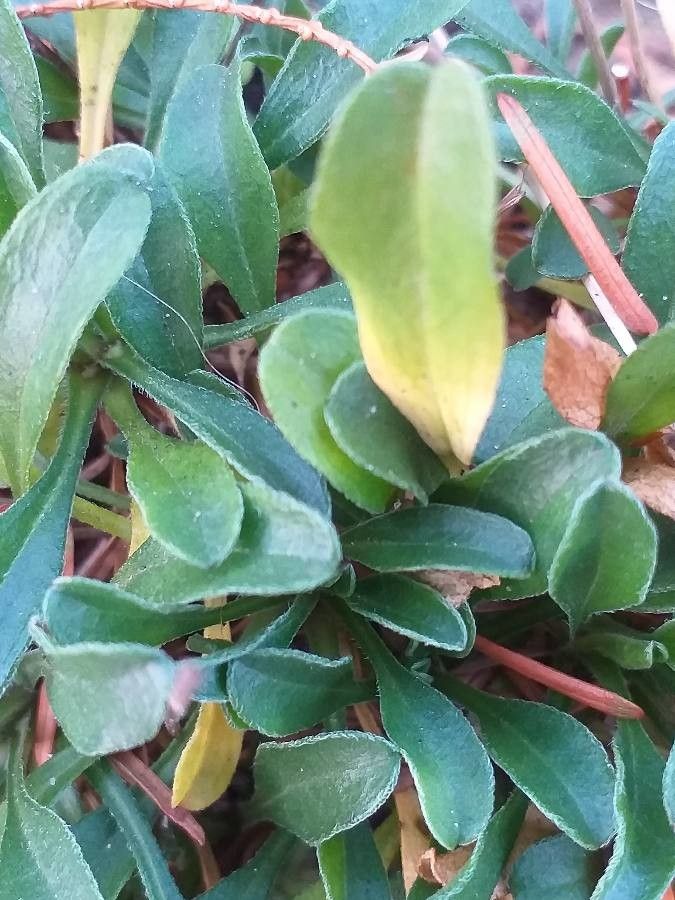
Unlocking the Secrets of Flett’s Fleabane: A Propagation Guide
Flett’s fleabane (Erigeron flettii) may not be as familiar as daisies or sunflowers, but this charming wildflower, with its delicate lavender-pink blooms and compact growth habit, deserves a place in any sun-loving garden. Endemic to the Pacific Northwest, Flett’s fleabane brings a touch of wild beauty, attracting pollinators and thriving in rocky, well-drained conditions.
While readily available in native plant nurseries, propagating your own Flett’s fleabane can be a rewarding experience. Let’s delve into the different methods to grow this delightful wildflower:
1. Seed Propagation: Embracing Nature’s Touch
Mother Nature’s preferred method, seed propagation, allows you to witness the entire life cycle of your Flett’s fleabane. Here’s how:
- Seed Collection: Collect seeds in late summer or early fall when the flower heads transform into fluffy seed heads. Look for seeds with a light brown color and a slightly dry texture.
- Winter Sowing: Flett’s fleabane seeds benefit from a period of cold stratification to simulate natural winter conditions. Sow seeds in a seed starting mix, lightly press them into the soil, and mist generously. Place the tray in a protected outdoor location or a refrigerator for 8-12 weeks.
- Spring Awakening: After stratification, move the seed tray to a warm, sunny location. Keep the soil consistently moist but not waterlogged. Germination should occur within 2-3 weeks.
- Transplanting: Once seedlings develop a couple of sets of true leaves, carefully transplant them to individual pots or directly into your garden after the last frost.
2. Division: Sharing is Caring (for Plants Too!)
For established Flett’s fleabane plants, division is a simple and effective propagation method:
- Timing is Key: Divide your plants in early spring when new growth begins.
- Gentle Hands, Sharp Tools: Carefully dig up the entire plant, ensuring you get as much of the root system as possible. Using a sharp, clean knife or garden shears, divide the plant into smaller sections, ensuring each section has a good portion of roots and shoots.
- Replant and Rejoice: Replant the divisions in your garden or pots with well-draining soil. Water thoroughly and watch your new Flett’s fleabane plants thrive.
3. Cuttings: Cloning for Floral Abundance
While slightly less common, taking stem cuttings can be an efficient way to propagate Flett’s fleabane:
- Choose Wisely: Select healthy, non-flowering stems in late spring or early summer.
- Cut and Prepare: Using clean, sharp shears, take 4-6 inch cuttings just below a leaf node. Remove the bottom leaves and dip the cut end in rooting hormone (optional but beneficial).
- Create a Cozy Environment: Plant the cuttings in a well-draining potting mix and place them in a warm, humid environment. A humidity dome or covering the pot with a plastic bag can help retain moisture.
- Patience is a Virtue: Keep the cuttings consistently moist. Rooting can take several weeks. Once roots develop, you can transplant your new Flett’s fleabane plants.
Flett’s Fleabane: A Rewarding Addition to Your Garden
With its resilience, adaptability, and delicate beauty, Flett’s fleabane is a delightful addition to any garden. Whether you choose to sow seeds, divide plants, or take cuttings, propagating this charming wildflower is a rewarding experience that will brighten your garden for years to come.