
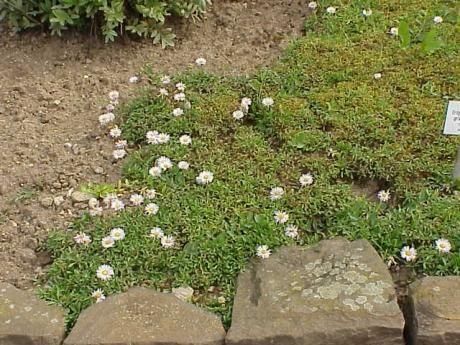
Blooming Beauties: Unlocking the Secrets to Propagating Erigeron Grandiflorus
The Erigeron Grandiflorus, more affectionately known as the Largeflower Fleabane, is a charming wildflower renowned for its vibrant daisy-like blooms that paint meadows and gardens with cheerful hues of pink, lavender, and white. This hardy perennial, native to the western regions of North America, is not just a feast for the eyes; it’s also incredibly resilient and adaptable, making it a joy for even novice gardeners to cultivate.
While purchasing established plants is always an option, wouldn’t it be rewarding to multiply your floral bounty right from your backyard? Let’s delve into the fascinating world of Erigeron Grandiflorus propagation and unlock the secrets to successfully growing these beauties from seed and cuttings.
Seeding Success:
Sowing seeds offers a cost-effective and relatively straightforward propagation method:
Timing is Everything: Begin sowing indoors approximately 6-8 weeks before the last expected frost in your region. This head start allows seedlings to develop a robust root system before facing the elements.
Sowing the Seeds: Choose a well-draining seed starting mix and sprinkle the seeds on the surface, pressing them lightly. Erigeron Grandiflorus seeds require light to germinate, so avoid burying them deep.
Creating a Conducive Environment: Mist the soil gently and cover the seed tray with a plastic dome or humidity dome to maintain moisture and warmth. Place the tray in a brightly lit location, out of direct sunlight.
Germination and Beyond: With patience and proper care, you should witness germination within 14-21 days. Once seedlings develop a few true leaves, thin them out, leaving the strongest ones to flourish.
- Hardening Off: Before transplanting outdoors after the last frost, gradually acclimate the seedlings to outdoor conditions by exposing them to increasing periods of sunlight and wind over a week or two.
Cuttings: Cloning Your Favorites:
If you desire to replicate the exact characteristics of a specific Erigeron Grandiflorus plant, cuttings offer a reliable method:
Choosing the Right Cuttings: During the spring or early summer, select healthy, non-flowering stems from the current year’s growth. Ideally, these cuttings should be 3-4 inches long and taken just below a leaf node.
Preparing the Cuttings: Remove the lower leaves from the cutting, leaving 2-3 leaves at the top. Dip the cut end in rooting hormone (optional but recommended) to encourage root development.
Potting and Care: Plant the cuttings in a well-draining potting mix and water them gently. Cover the pot with a plastic bag or humidity dome to create a humid environment.
- Rooting and Growth: Within a few weeks, roots should start developing. Once you notice new growth, it indicates successful rooting. Gradually acclimate the rooted cuttings to outdoor conditions before transplanting them to their permanent location.
Caring for Your Propagated Beauties:
Whether grown from seed or cuttings, Erigeron Grandiflorus thrives in well-drained soil and full sun to partial shade. Water regularly, especially during dry periods, and fertilize in spring with a balanced fertilizer to promote healthy growth and blooming.
Propagating your own Erigeron Grandiflorus is a rewarding experience that allows you to expand your garden with minimal cost and enjoy the satisfaction of nurturing new life from seed or cuttings. So, this season, embrace the joy of propagation and create a blooming haven filled with these captivating wildflowers.