
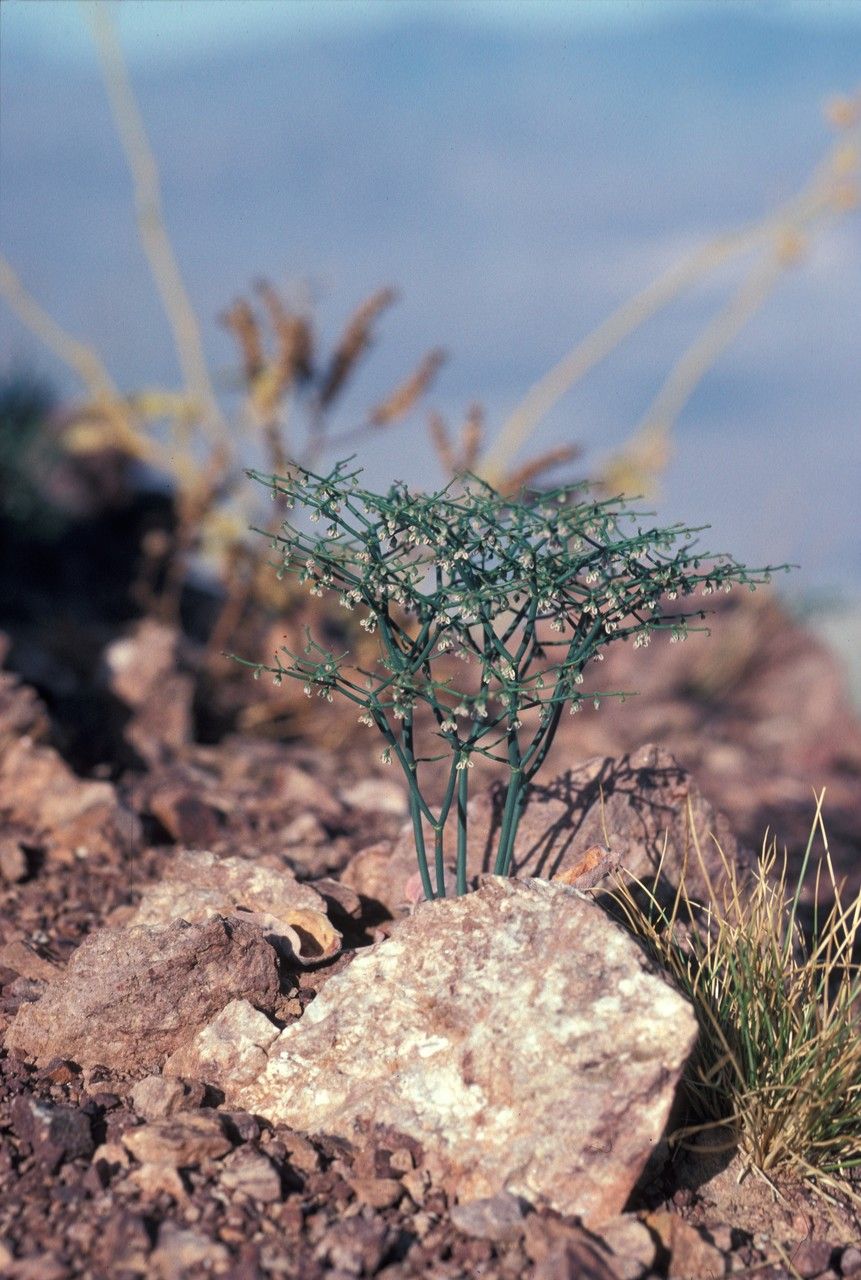
Taming the Wildflower: Propagating Eriogonum brachypodum at Home
Eriogonum brachypodum, also known as the short-stemmed buckwheat or Napa buckwheat, is a delightful California native known for its charming pom-pom flowers and drought-tolerant nature. While many admire this wildflower in its natural habitat, you might be surprised to know that bringing the beauty of Eriogonum brachypodum to your own garden is achievable, even for beginner gardeners.
Why Propagate Eriogonum brachypodum?
Beyond its visual appeal, propagating this charming plant helps conserve a species facing habitat loss. Plus, you’ll have a reliable bloomer in your garden, attracting pollinators like butterflies and bees with its masses of white to pale pink flowers.
Propagation Methods:
Two main methods work well for propagating Eriogonum brachypodum:
1. Seeds:
- Collecting Seeds: The optimal time to gather seeds is late summer or early fall when the flower heads have dried to a deep brown. Carefully snip off the heads and store them in a paper bag in a cool, dry location. Gently crush the heads to release the seeds.
- Sowing Seeds: For best results, sow the seeds outdoors in fall. Prepare a well-drained seedbed in a sunny location. Scatter the seeds on the surface and lightly press them into the soil, ensuring they receive good contact but aren’t buried too deep. Water gently and keep the soil consistently moist but not soggy.
2. Cuttings:
- Timing is Key: Take your cuttings in the spring from softwood, which is new growth that is still somewhat pliable but has started to firm up.
- Taking the Cutting: Use clean, sharp pruning shears to cut a 4-6 inch section from a healthy stem tip. Remove the leaves from the bottom inch or two of the cutting.
- Encouraging Root Development: Dip the cut end in rooting hormone (while optional, this can be beneficial). Plant the cutting in a pot filled with a well-draining potting mix, burying the nodes (where the leaves were removed) below the soil line.
- Creating a Humid Environment: Water thoroughly and place the pot in a warm, brightly lit area, but out of direct sunlight. Covering the pot with a clear plastic bag can help maintain humidity and encourage rooting.
Caring for Your New Plants:
Once your seeds have sprouted or your cuttings have rooted (you’ll see new growth), gradually acclimate them to outdoor conditions before transplanting them to their permanent location in the garden.
Key considerations for success:
- Well-drained soil: Boggy soil is a death sentence for Eriogonum brachypodum. Amend your soil with sand or gravel to improve drainage if needed.
- Sun-drenched spot: These wildflowers thrive in full sun, so choose a location that receives at least six hours of direct sunlight daily.
- Don’t overwater: Once established, Eriogonum brachypodum is remarkably drought-tolerant. Water deeply but infrequently, allowing the soil to dry out between waterings.
Propagating your own Eriogonum brachypodum might seem daunting at first, but with a bit of patience and the right knowledge, you can easily welcome this captivating wildflower into your garden. Not only will you enjoy the beauty it brings, but you’ll also contribute to the conservation of this valuable California native.