
Taming the Wildflower: Propagating Eriogonum brevicaule From Seed to Bloom
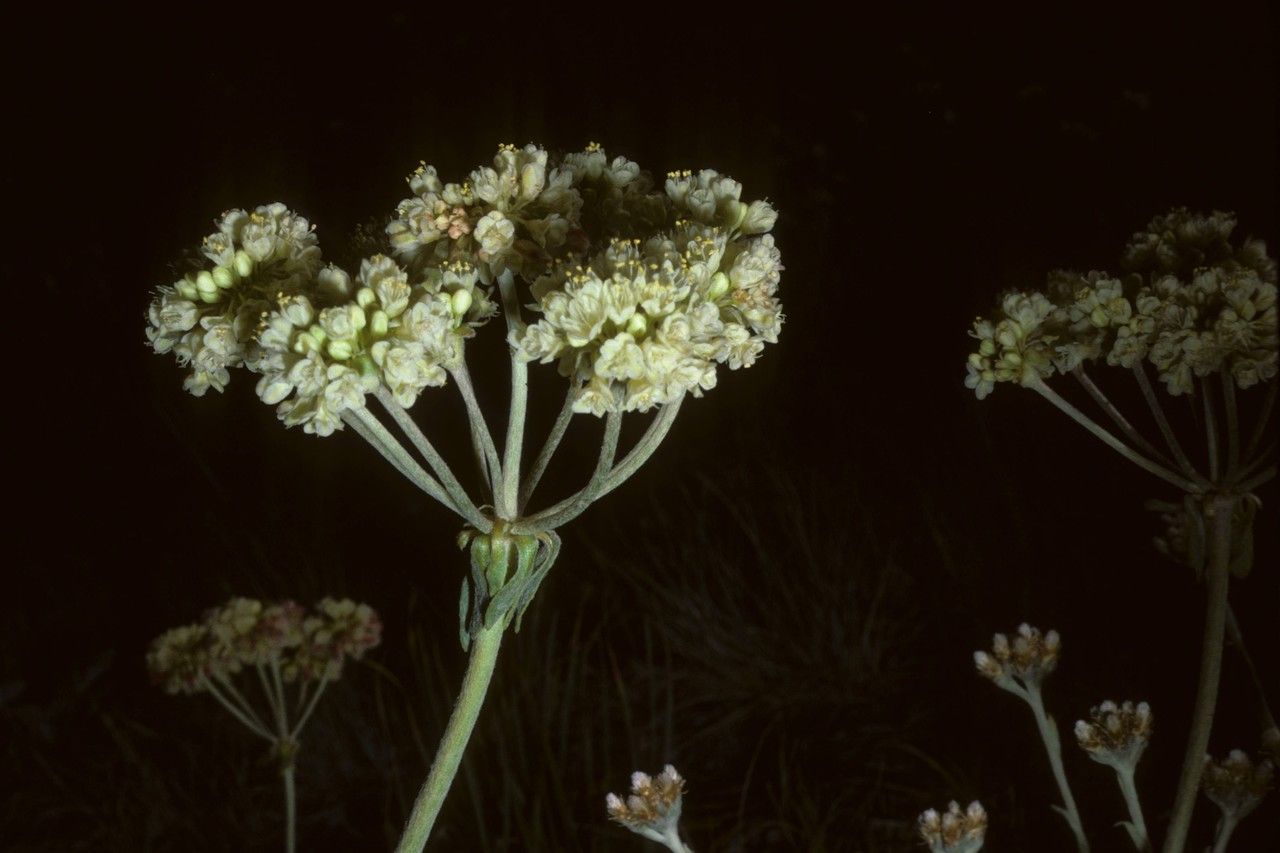
Eriogonum brevicaule, also known as the short-stemmed buckwheat or the Navajo buckwheat, is a captivating wildflower native to the southwestern United States. Its vibrant clusters of yellow flowers and its ability to thrive in arid environments make it an intriguing choice for xeriscaping and wildflower gardens alike. While often found gracing canyons and mesas, you can introduce this resilient beauty to your own landscape through propagation.
Why Choose Propagation?
Propagating your own Eriogonum brevicaule offers several rewarding benefits:
- Preserving native species: Many wildflower populations are facing habitat loss. By propagating these plants, you contribute to their conservation.
- Cost-effective gardening: Growing from seed or cuttings is generally more affordable than purchasing established plants.
- The joy of growth: Witnessing a plant flourish from its earliest stages is a uniquely fulfilling experience.
Understanding Eriogonum brevicaule
Native to the harsh landscapes of the Southwest, Eriogonum brevicaule boasts a tough yet delicate beauty. The plant forms low mounds of silvery-green foliage, a perfect backdrop for the bursts of tiny yellow flowers that appear in spring. Adapted to dry conditions, these plants prefer well-drained soil and can tolerate full sun. Understanding its natural preferences is key to successful propagation.
Propagation Methods
Two main methods work best for Eriogonum brevicaule:
1. Seed Propagation:
This method offers the satisfaction of starting from the very beginning.
- Timing is key: Sow seeds outdoors in fall or early winter, allowing natural cold stratification to enhance germination.
- Prepare the bed: Choose a well-drained location that receives ample sunlight. Lightly amend the soil with compost to improve drainage.
- Sowing: Scatter seeds sparsely over the soil surface and lightly press them in. Do not bury them deeply.
- Watering: Keep the soil consistently moist until germination, which typically occurs within a few weeks. Once established, water sparingly.
2. Propagation from Cuttings:
This method offers faster results but with a slightly lower success rate than seeds.
- Timing: Take cuttings in spring or early summer when the plant is actively growing.
- Select healthy stems: Choose young, non-flowering stems. Make a clean cut just below a leaf node.
- Prepare the cutting: Remove the lower leaves from the cutting and dip the cut end in rooting hormone (optional but recommended).
- Planting: Insert the cutting into a pot filled with a well-draining seed starting mix.
- Environment: Keep the cutting in a humid environment. A cloche or a plastic bag placed over the pot can help maintain moisture.
Aftercare and Transplanting
Whether you choose seeds or cuttings, provide consistent care until your Eriogonum brevicaule plants are established.
- Watering: Once seedlings emerge or cuttings show new growth, water sparingly but deeply, allowing the soil to dry out slightly between waterings.
- Transplanting: When seedlings are large enough to handle, or cuttings have developed a strong root system, transplant them to larger pots or directly into your garden.
- Spacing: Space plants 12-18 inches apart to allow for their natural spreading habit.
Patience Yields Beauty
Propagating Eriogonum brevicaule requires a bit of patience, but the reward is well worth the effort. By nurturing this captivating wildflower, you contribute to its preservation and welcome a vibrant touch of the Southwest into your own garden.