
Propagating Eriogonum caespitosum: A Gardener’s Guide to the Tufted Buckwheat
Introduction:
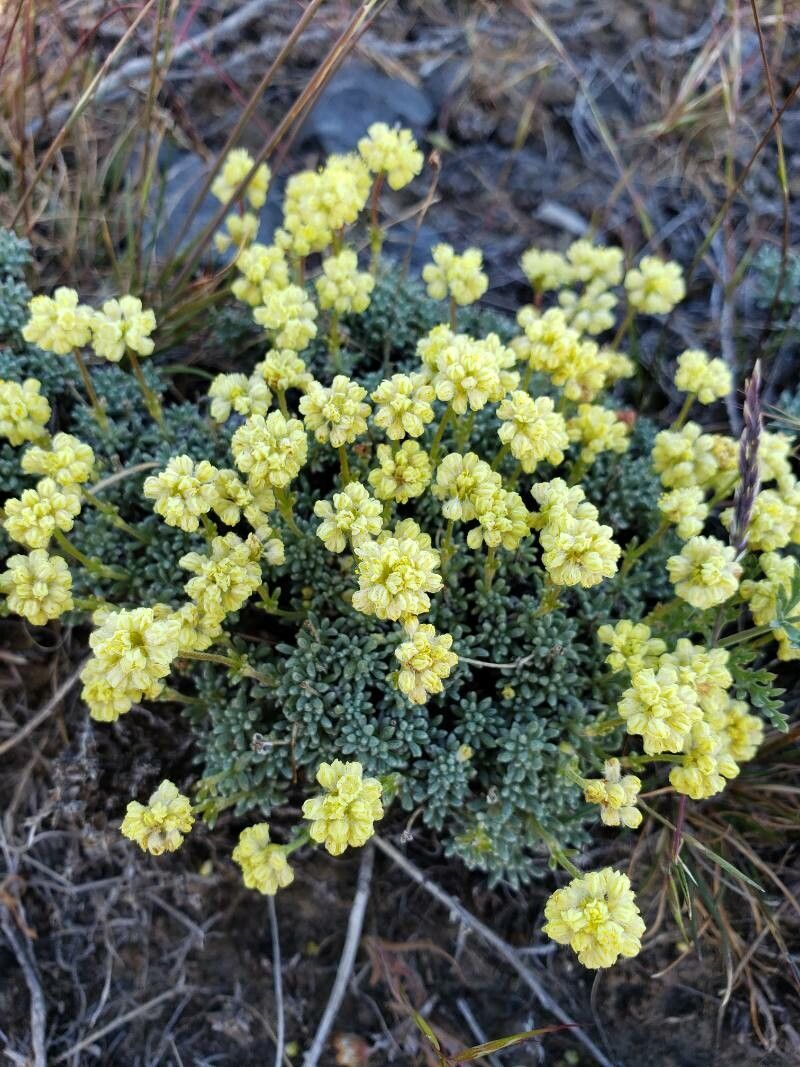
Eriogonum caespitosum, commonly known as tufted buckwheat, is a low-growing, mat-forming perennial native to the western United States. This hardy plant boasts attractive silvery-gray foliage and clusters of delicate white or pinkish flowers, making it a prized addition to xeriscapes, rock gardens, and other low-water landscapes. Its drought tolerance and ability to thrive in poor soils contributes to its popularity among gardeners seeking resilient and aesthetically pleasing plants. However, propagating Eriogonum caespitosum presents unique challenges due to its specific environmental needs and physiology, making successful propagation a rewarding experience for dedicated plant enthusiasts.
Seed Germination:
Seed germination is a viable, albeit challenging, method for propagating Eriogonum caespitosum. The primary challenge lies in the seeds’ dormancy and the need for specific environmental conditions for successful sprouting. Many seeds require stratification – a period of cold, moist treatment – to break dormancy. This can be achieved by mixing seeds with moist vermiculite or perlite and storing them in a refrigerator at 3-4°C (37-39°F) for 6-8 weeks prior to sowing. Sowing should occur in a well-draining seed-starting mix, kept consistently moist but not waterlogged. A warm (20-25°C or 68-77°F) and bright but not directly sunny location is ideal. Germination can be slow and uneven, taking several weeks or even months. The rewards, however, include the potential for generating genetic diversity within a population and the capacity for large-scale propagation, which is helpful for restoration projects or creating extensive plantings.
Cuttings:
Currently, there are no known reliable methods for propagation of Eriogonum caespitosum from cuttings. The woody nature of the stems and the plant’s tendency towards slow growth hinder successful rooting.
Division:
Division is the most reliable and commonly used method for propagating Eriogonum caespitosum. Mature plants can be carefully divided in spring or early fall. This involves gently separating the plant into smaller sections, each containing healthy roots and shoots. The divisions should be planted immediately into well-draining soil in a location mimicking the plant’s natural habitat. Success depends on minimizing root disturbance and providing adequate moisture until the plants establish new root systems. While not offering genetic diversity, division provides a relatively quick method to increase the number of plants.
Tissue Culture:
Tissue culture propagation of Eriogonum caespitosum has not been widely explored or established as a reliable method. Further research is needed to determine the feasibility and efficacy of this technique.
Conclusion:
Propagating Eriogonum caespitosum presents unique challenges, with seed germination requiring patience and keen attention to detail, while cuttings prove unreliable. Division emerges as the most practical method for most gardeners. The rewards, however, extend beyond simply acquiring more plants. The success of cultivating this beautiful and resilient native species offers a profound sense of accomplishment, especially when considering the challenges involved. For aspiring propagators, we recommend starting with division as the most readily successful method. If you’re adventurous, try seed germination, embracing the learning process that comes with potentially low germination rates. Remember that careful attention to soil drainage, watering, and light conditions will be key to your success, irrespective of the propagation method chosen. The patience and persistence required yield a deep appreciation for the tenacious beauty of Eriogonum caespitosum.