
Taming the Wild Beauty: Propagating Congdon’s Buckwheat
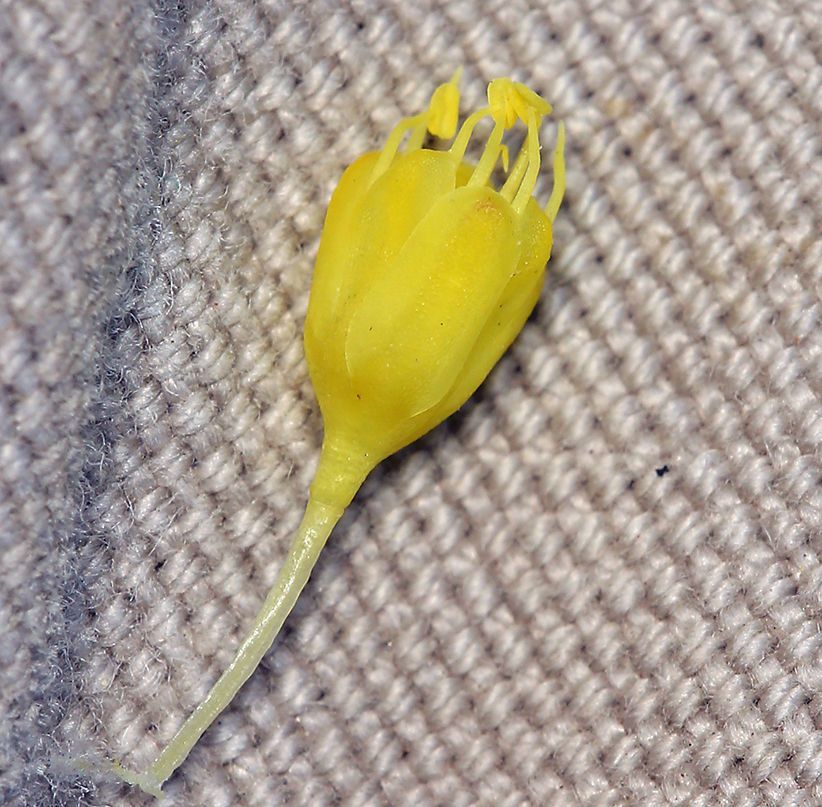
Congdon’s buckwheat (Eriogonum congdonii), with its captivating clusters of sulphur-yellow flowers erupting from silvery foliage, is a sight to behold. Native to the California Floristic Province, this drought-tolerant perennial brings a touch of wild elegance to gardens lucky enough to host it. But cultivating this beauty isn’t as straightforward as scattering seeds in the wind. This guide delves into the intricacies of propagating Congdon’s buckwheat, empowering you to nurture this captivating species.
Two Paths to Propagation
While Congdon’s buckwheat can be a bit temperamental to propagate, success lies in understanding its natural life cycle and mimicking those conditions. The two main methods for propagating this plant are:
1. Seed Propagation:
- Timing is Key: The best time to sow seeds is in the fall, mirroring their natural dispersal rhythm. This allows the seeds to experience the winter cold, which is crucial for breaking their dormancy.
- Sowing the Seeds: Use a seed starting mix that drains well and sow the seeds on the surface, pressing them gently. Light is essential for germination, so don’t bury them deep.
- Patience is a Virtue: Germination can be erratic, taking anywhere from a few weeks to several months. Keep the soil consistently moist but not waterlogged.
2. Cuttings:
- The Right Time and Place: Take softwood cuttings from actively growing stems in late spring or early summer. Choose healthy stems without flower buds and ideally with new growth at the tip.
- Creating the Cutting: Using a sharp, clean knife or pruning shears, cut a 4-6 inch section of stem just below a leaf node. Remove the lower leaves, leaving 2-3 pairs at the top.
- Encouraging Root Development: Dip the cut end in rooting hormone and plant the cutting in a well-draining potting mix. Keep the humidity high by placing a plastic bag over the pot or using a humidity dome.
Nurturing New Growth:
Regardless of your chosen method, providing the right environment is crucial for success:
- Sunlight: Congdon’s buckwheat thrives in full sun to partial shade. Young plants, whether from seed or cuttings, will benefit from bright, indirect light.
- Water: While drought-tolerant once established, consistent moisture is essential during the propagation phase. Water deeply but allow the soil to dry out slightly between waterings.
- Soil: Well-drained soil is key! A sandy loam amended with perlite or pumice mimics their natural habitat and prevents root rot.
- Transplanting: Once your seedlings have developed a strong root system or your cuttings show new growth, they’re ready to move to larger pots or a prepared garden bed with similar soil conditions.
Patience Yields Rewards:
Propagating Congdon’s buckwheat requires a dash of patience and a touch of dedication. But the reward of seeing this stunning species thrive in your garden, attracting pollinators with its sunny blooms, makes the journey worthwhile. So, embrace the challenge, nurture these botanical treasures, and let their vibrant presence enhance your landscape with a touch of wild, California charm.