
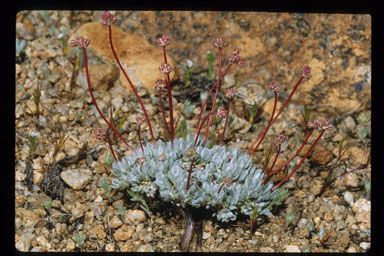
Unveiling the Secrets: How to Propagate Kennedy’s Buckwheat (Eriogonum kennedyi)
Kennedy’s Buckwheat (Eriogonum kennedyi) is a captivating plant, boasting delicate clusters of pink to white flowers that grace rocky slopes and arid landscapes. Its ability to thrive in challenging conditions makes it a favorite among gardeners seeking low-maintenance, drought-tolerant additions to their landscapes. But how do you propagate this resilient beauty?
While propagation from divisions is possible, growing Kennedy’s Buckwheat from seed is the most common and rewarding method. Let’s delve into the steps that will have you nurturing these enchanting plants in no time!
Collecting Seeds:
The secret to successful propagation lies in collecting viable seeds. Look for mature, dried flower heads – a sure sign that seeds are ready. Gently rub the flower heads between your fingers to release the tiny, brown seeds. Store collected seeds in a cool, dry place until you’re ready to sow.
Sowing the Seeds:
Timing is key when it comes to sowing Kennedy’s Buckwheat seeds. It’s best to mimic nature’s rhythm and sow them in the fall or early winter. This allows the seeds to experience the natural chilling period required for optimal germination.
Prepare Your Seedbed:
Kennedy’s Buckwheat thrives in well-draining soil. Choose a location with full sun exposure and prepare your seedbed with a well-draining seed starting mix or a blend of sand, perlite, and peat moss.
Sowing the Seeds:
- Sprinkle the tiny seeds thinly over the soil surface.
- Gently press the seeds into the soil, but avoid burying them too deep. Light is essential for germination.
Watering:
Water the seeds gently but thoroughly after sowing. Maintain a consistently moist (not waterlogged) environment until germination occurs, which usually takes 2-4 weeks.
Transplanting Seedlings:
Once your seedlings have developed a few sets of true leaves, they’re ready to be transplanted into individual pots or directly into your garden. Remember to harden off your seedlings gradually before transplanting to prevent shock.
Alternative Method: Propagation from Divisions:
While more challenging, Kennedy’s Buckwheat can also be propagated by division. Carefully divide established plants in early spring or fall, ensuring each division has a healthy root system. Plant the divisions at the same depth they were originally growing and water them well.
Caring for Your Kennedy’s Buckwheat:
Kennedy’s Buckwheat is remarkably low-maintenance. Once established, it requires minimal watering except during prolonged dry spells. Deadhead spent flower stalks to encourage further blooming and prevent self-seeding if desired.
Propagating Kennedy’s Buckwheat is a rewarding experience that allows you to witness the remarkable lifecycle of this adaptable plant. By following these simple steps, you can enjoy the delicate beauty of Kennedy’s Buckwheat in your own landscape for years to come.