
Seaside Secrets: Unlocking the Magic of Eriogonum latifolium Propagation
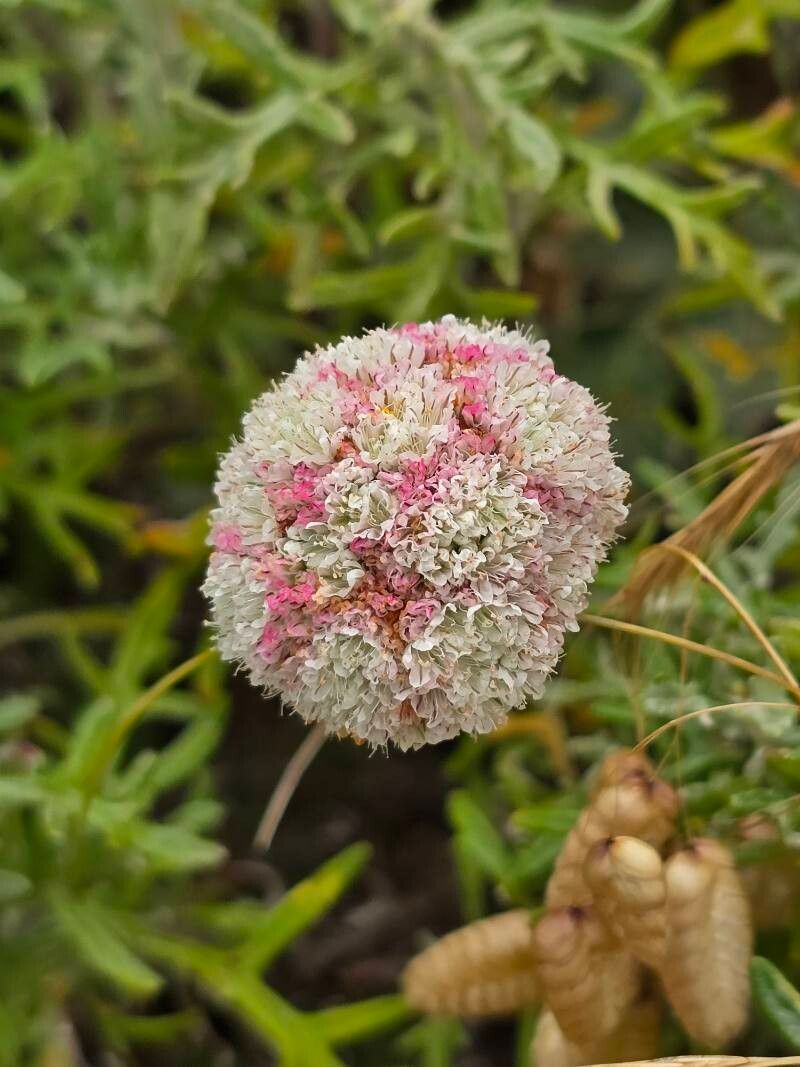
Eriogonum latifolium, more affectionately known as Coast Buckwheat or Seaside Buckwheat, is a coastal California native prized for its stunning, globe-shaped clusters of pink-tinged white flowers that burst forth in the summer months. This drought-tolerant beauty, with its silvery-green foliage and ability to attract beneficial pollinators, can be a captivating addition to any garden seeking a touch of seaside charm. But how do you go about inviting this wildflower into your own space? Let’s unlock the secrets of Eriogonum latifolium propagation.
Two Paths to Propagation:
While Eriogonum latifolium might seem like a mystical coastal treasure, propagating it isn’t as daunting as you might think. You have two main options:
1. Seed Sowing: The most common and rewarding method is starting from seed. Follow these steps for success:
- Seed Collection: Collect seeds in late summer or early fall when the flower heads turn brown and dry. Gently break open the dried flower heads to reveal the tiny, brown seeds.
- Sowing Time: For best results, sow your seeds in the fall, either directly into your garden bed or in seed trays. Fall sowing allows the seeds to experience the natural winter chill they need to germinate successfully.
- Soil Preparation: Eriogonum latifolium thrives in well-draining soil. If starting indoors, use a seed-starting mix and ensure your containers have drainage holes. If direct sowing, amend your garden bed with compost or sand to improve drainage.
- Sowing Depth: Sow seeds shallowly, about ¼ inch deep, and lightly cover them with soil.
- Watering: Keep the soil consistently moist but not waterlogged.
- Germination: Be patient! Germination can take anywhere from a few weeks to a few months.
2. Cuttings:
- Timing: Take cuttings in the spring from new, healthy growth.
- Preparation: Choose stems that are 4-6 inches long and remove the lower leaves.
- Rooting Hormone: While not essential, dipping the cut end in rooting hormone can increase success rates.
- Planting: Plant the cuttings in a well-draining potting mix and keep them consistently moist.
- Environment: Place the cuttings in a warm, bright location out of direct sunlight.
- Rooting: It can take several weeks for the cuttings to develop roots. Once rooted, you can transplant them into larger containers or your garden.
Tips for Success:
- Sunlight: Provide your Eriogonum latifolium with at least 6 hours of sunlight daily.
- Watering: Established plants are very drought tolerant, but water regularly during their first year to establish a strong root system.
- Pruning: Deadheading spent flower stalks encourages bushier growth and more blooms. Prune back lightly after flowering to maintain shape.
- Pests and Diseases: Coast Buckwheat is generally pest and disease-resistant, but keep an eye out for aphids and powdery mildew.
With a little patience and care, you can unlock the magic of Eriogonum latifolium propagation. Watching these beautiful wildflowers flourish in your own garden, attracting pollinators and adding a touch of coastal charm, is a truly rewarding experience.