
Propagating Eriosyce napina: A Gardener’s Guide to the “Napiform Cactus”
Introduction:
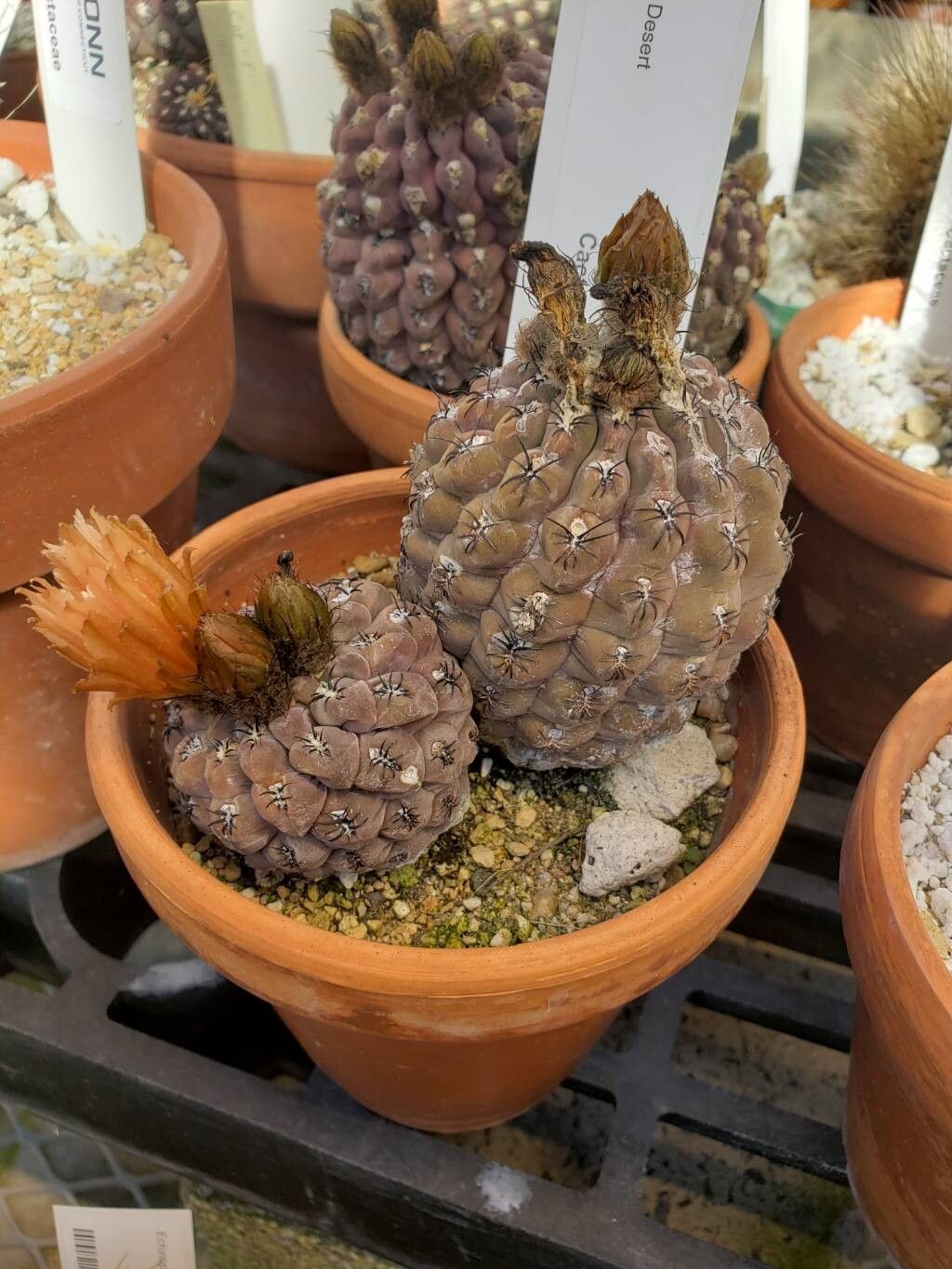
Eriosyce napina, commonly known as the Napiform Cactus, is a captivating South American succulent prized for its unique, almost bulbous rootstock and attractive, spiny globe. Its striking appearance, coupled with its relative hardiness, has made it a popular choice among cactus enthusiasts. However, propagating this species presents particular challenges, making successful cultivation all the more rewarding. Compared to other cacti, Eriosyce napina’s propagation methods require specific attention to detail and patience. Its unique root system and slow growth rate influence preferred propagation strategies.
Seed Germination:
Seed germination is a viable, albeit challenging, method for propagating Eriosyce napina. The primary challenge lies in the seeds’ relatively low germination rate and their sensitivity to fungal diseases.
Challenges: Low germination rates, susceptibility to damping-off (fungal infection), slow seedling growth.
Practical Tips: Fresh seeds are essential. Pre-sowing stratification (a period of cold, moist storage) for several weeks might improve germination, though research on optimal stratification for this specific species is limited. Use a well-draining seed-starting mix, such as a cactus and succulent mix, and maintain a consistent, warm temperature (around 70-75°F/21-24°C). Avoid overwatering, ensuring the mix remains slightly moist but not soggy. Consider using a fungicide to prevent damping-off. Sow seeds thinly to reduce competition.
Rewards: Genetic diversity within the resulting plants, potential for large-scale propagation.
Cuttings:
Currently, there are no known reliable methods for propagation of Eriosyce napina from cuttings. The plant’s structure, with its distinct, large taproot, doesn’t lend itself well to the rooting of stem or root cuttings. The success rate is extremely low, even with the application of rooting hormones.
Division:
Division is also not a practical propagation method for Eriosyce napina. The plant’s deep taproot system makes separating it into viable divisions exceedingly difficult and damaging to the parent plant. Even if successful, the separated portions often fail to establish a new root system.
Tissue Culture:
Tissue culture presents a potential, albeit technically demanding, method for Eriosyce napina propagation.
Challenges: Requires specialized equipment, sterile laboratory conditions, and a high level of technical expertise. Establishing optimal growth media and hormone treatments specific to Eriosyce napina requires significant experimentation.
Practical Tips: This method is best left to tissue culture laboratories with experience in cactus propagation. Sterile techniques are paramount to prevent contamination.
Rewards: Allows for the large-scale production of genetically identical plants, safeguarding rare or threatened varieties.
Conclusion:
Propagating Eriosyce napina presents significant challenges across all methods. While seed germination offers the best chance for success, it requires patience, attention to detail, and a willingness to accept some losses. Cuttings and division are largely impractical, while tissue culture demands specialized skills and resources.
Despite the difficulties, the unique satisfaction derived from successfully cultivating this stunning cactus is well worth the effort. The slow growth and relatively uncommon nature of Eriosyce napina enhance the sense of accomplishment. For aspiring propagators, starting with seeds and meticulously following best practices, coupled with a dash of patience, is the most likely path to success. Remember to prioritize plant health above all, providing appropriate conditions of sunlight, well-draining soil, and careful watering. With dedication, you can enjoy the beauty of the Napiform cactus flourishing in your collection.