
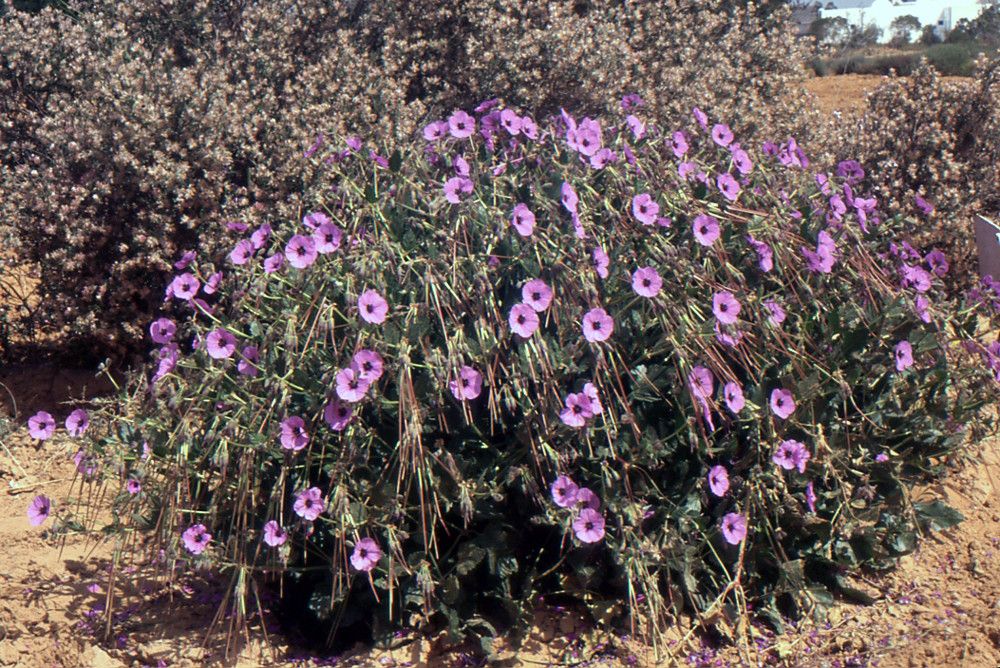
Unlocking the Secrets of Erodium arborescens: A Guide to Propagation
The Erodium arborescens, with its delicate, heron’s-bill blooms and captivating silver-green foliage, is a showstopper in any garden. This charming evergreen shrub, native to the sunny slopes of Spain and Morocco, adds a touch of Mediterranean magic to rockeries, borders, and containers alike. While readily available at nurseries, there’s a certain satisfaction in propagating Erodium arborescens yourself. But how exactly do you go about it? Fear not, fellow plant enthusiast, for we’re about to unlock the secrets of successfully multiplying this Mediterranean gem.
Two Roads to Propagation:
Erodium arborescens can be propagated through two primary methods: seed sowing and taking cuttings. Both approaches offer unique benefits and challenges, allowing you to choose the best fit for your gardening style and available resources.
1. Seed Sowing: A Game of Patience and Reward:
Sowing seeds offers a rewarding experience, allowing you to witness the entire life cycle of your Erodium arborescens. Here’s how to do it:
- Timing is Key: Spring or fall provides the ideal climate for seed germination, with milder temperatures promoting optimal growth.
- Prepare the Seedbed: Choose a well-draining seed starting mix or combine equal parts peat moss, perlite, and vermiculite. Sprinkle seeds over the surface and lightly press them in.
- Provide the Right Environment: Ensure the seedbed remains consistently moist but not waterlogged. Place it in a bright location, avoiding direct sunlight.
- Be Patient: Seed germination can take anywhere from a few weeks to a couple of months. Once seedlings emerge and develop a few sets of true leaves, they are ready for individual pots.
2. Cuttings: A Quicker Path to Expansion:
Taking cuttings offers a faster and more controlled way to propagate Erodium arborescens, particularly if you want to preserve specific characteristics of a particular plant.
- Timing Matters: Early summer is the optimal time to take cuttings, as the plant is actively growing.
- Select Healthy Shoots: Choose non-flowering shoots that are approximately 3-4 inches long. Make a clean cut just below a leaf node, removing the lower leaves.
- Encourage Root Development: Dip the cut end in rooting hormone (optional, but recommended) and plant the cutting in a well-draining potting mix.
- Create a Humid Environment: Cover the cutting with a plastic bag or a propagation dome to maintain humidity. Place it in a bright location out of direct sunlight.
- Patience, Once Again: After 4-6 weeks, gently tug on the cutting. Resistance indicates successful rooting. You can then transplant the rooted cutting into a larger pot or directly into your garden.
Caring for Your New Progeny:
Regardless of your chosen propagation method, young Erodium arborescens require similar care to thrive:
- Light and Location: Choose a location with full sun to partial shade. Well-draining soil is crucial to prevent root rot.
- Watering: While drought-tolerant once established, these plants benefit from regular watering until their root systems are fully developed.
- Pruning: Deadheading spent blooms encourages continuous flowering. Light pruning after flowering helps maintain a desirable shape and encourages bushier growth.
Propagating Erodium arborescens is a rewarding endeavor that allows you to expand your garden with these captivating plants. By following these simple steps, you’ll be well on your way to enjoying a bounty of these Mediterranean beauties for years to come.