
Spreading the Monkeyflower Love: Propagating Erythranthe Moschata
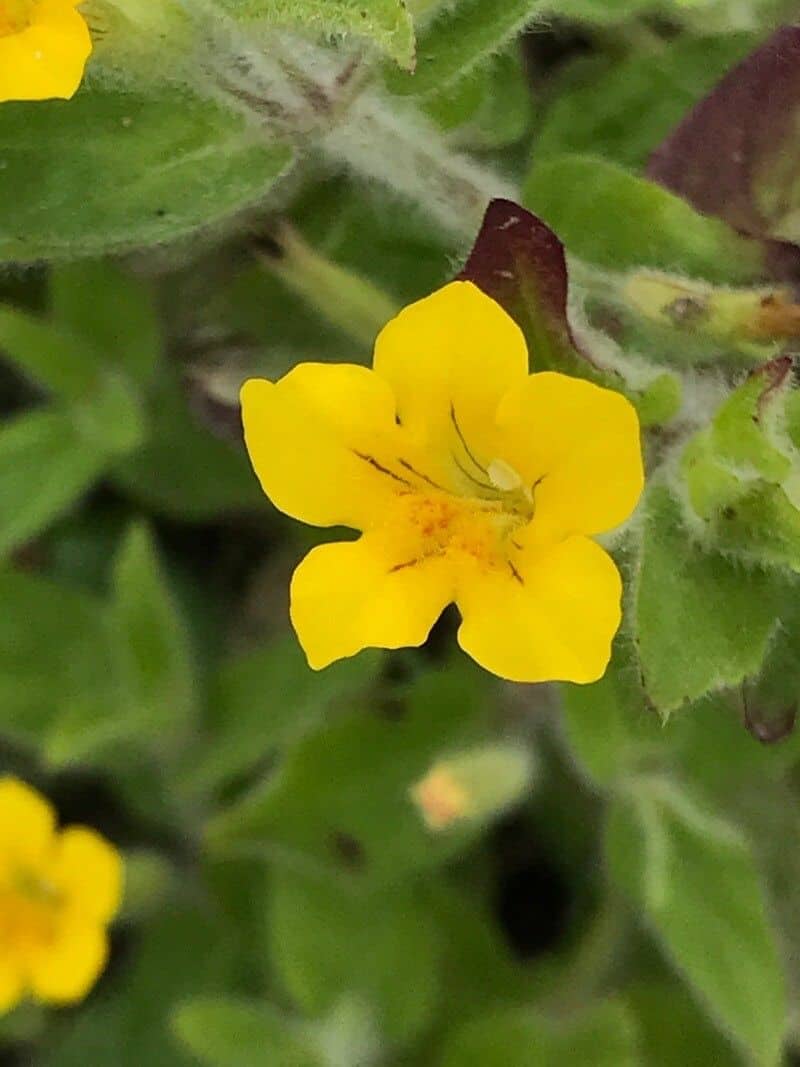
Erythranthe moschata, more commonly known as the sticky monkeyflower or musk flower, is a charming addition to any garden with its vibrant blooms and sweet, musky scent. This North American native, boasting fuzzy leaves and flowers ranging from bright pink to yellow, is surprisingly easy to propagate, allowing you to expand your flowerbeds or share the joy with friends. Let’s dive into the rewarding world of propagating Erythranthe moschata!
Two Roads to Monkeyflower Multiplication
There are two primary methods for propagating Erythranthe moschata:
- Seed Propagation: This method is perfect for producing a large number of plants and is relatively simple.
- Cuttings: Taking cuttings offers a quicker route to flowering plants and guarantees genetic replicas of your prized monkeyflower.
Method 1: Sowing Seeds of Success
- Timing is Key: Start your Erythranthe moschata seeds indoors approximately 6-8 weeks before the last expected frost.
- Sowing the Seeds: Use a seed starting mix and lightly press the seeds onto the surface, ensuring they receive light for germination.
- Warmth and Moisture: Maintain a consistent temperature around 65-70°F (18-21°C) and keep the soil consistently moist but not waterlogged.
- Light and Thinning: Once your seedlings emerge, provide them with ample sunlight or grow lights. Thin out weaker seedlings to provide ample space for stronger ones to flourish.
- Transplanting: When the danger of frost has passed and your seedlings are a few inches tall, harden them off gradually by introducing them to outdoor conditions for increasingly longer periods. Once acclimated, transplant them to your garden in a well-drained location with partial sun to full shade.
Method 2: Cuttings for Clones
- Choosing the Right Cuttings: In the spring, select healthy, non-flowering stems about 3-4 inches long.
- Preparing the Cuttings: Remove the lower leaves from the cutting, leaving a couple at the top. Dip the cut end in rooting hormone to encourage root development.
- Planting and Patience: Plant the cuttings in a well-draining potting mix and place them in a warm, humid environment. A cloche or plastic bag over the pot can help maintain humidity.
- Rooting and Growth: After several weeks, gently tug on the cuttings; resistance indicates successful rooting. Once the roots are established, you can transplant your new monkeyflowers to their desired location in the garden.
Caring for Your Monkeyflower Progeny
Erythranthe moschata thrives in moist, well-drained soil and dappled shade or morning sun. Water regularly, especially during dry spells, and fertilize occasionally with a balanced fertilizer. Deadhead spent blooms to encourage continuous flowering throughout the season.
Spreading the Love (and the Seeds!)
Once your Erythranthe moschata plants have finished blooming, allow some flowers to develop seed pods. Collect the seeds once the pods turn brown and dry. Store them in a cool, dry place until you’re ready to start the propagation cycle again next spring.
Whether you choose seed propagation or cuttings, multiplying your Erythranthe moschata is a rewarding experience. With a little care and attention, you’ll soon have a flourishing colony of these captivating flowers gracing your garden, filling it with vibrant color and a sweet, musky fragrance.