
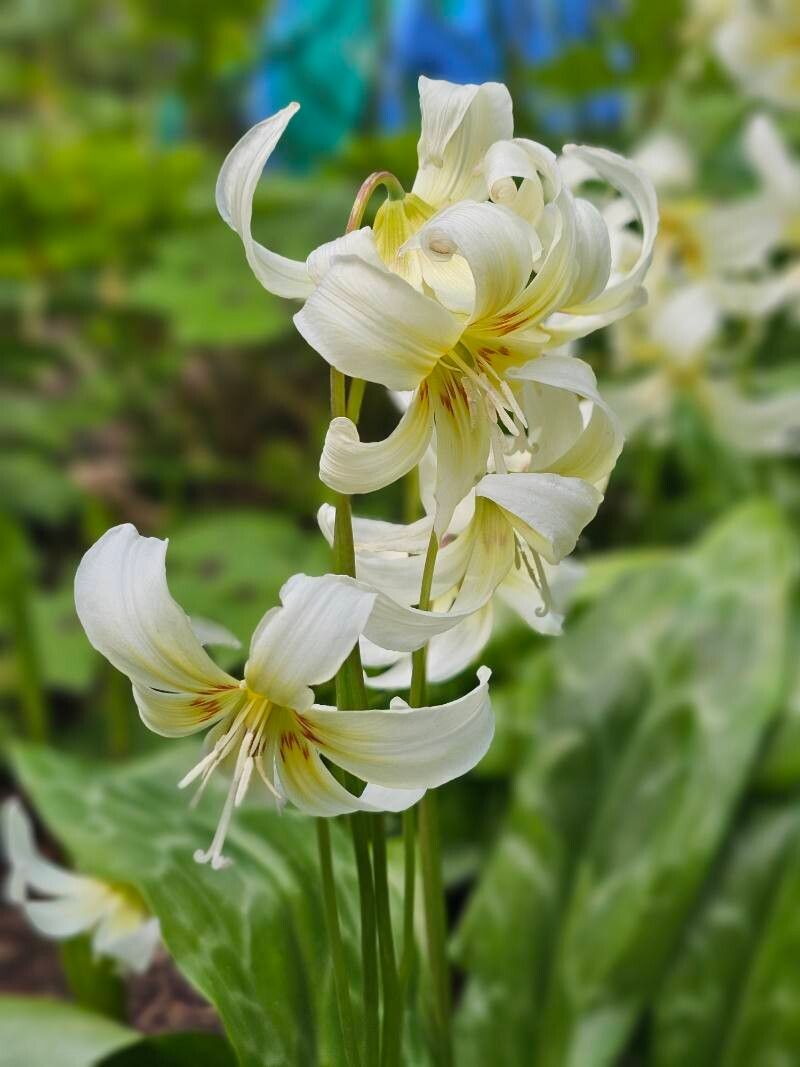
From One to Many: The Joy of Propagating Erythronium californicum
The delicate beauty of the California fawn lily (Erythronium californicum) is a sight to behold. These ephemeral wildflowers, with their gracefully drooping blooms and vibrant purple hues, are a cherished addition to any garden. But what if you could share their beauty with friends, family, or even create a whole colony of these alluring plants? That’s where propagation comes in.
Erythronium californicum, like many other wildflowers, can be successfully propagated through various methods. While some methods are more challenging than others, with a little patience and the right approach, you can enjoy the delightful process of expanding your fawn lily collection. Let’s delve into the most common and effective techniques:
1. Division:
The most accessible and reliable method for propagating Erythronium californicum is division. This involves carefully separating a mature plant into smaller divisions, each containing a portion of the rhizome and roots.
- When to Divide: The best time to divide California fawn lilies is right after they finish flowering in early summer, when the foliage is still green.
- The Process: Gently dig up the plant, being careful not to damage the rhizomes. Using a sharp knife or your fingers, carefully separate the bulbs into individual divisions. Ensure each division has at least one growth point and a healthy root system.
- Planting: Plant the divisions in a well-drained, slightly acidic soil in a shady location. Water them thoroughly and keep the soil moist.
2. Seed Propagation:
While slower, propagating California fawn lilies from seed offers the satisfaction of witnessing the entire life cycle from seed to bloom.
- Seed Collection: Once the flowers fade, pods will develop containing the seeds. Collect the pods when they’re brown and dry, then extract the seeds.
- Sowing: Sow the seeds directly into the garden in a shady location, or into pots filled with a seed-starting mix.
- Germination: Erythronium californicum seeds require a cold period (stratification) for germination. Typically, seeds sown in the fall will germinate in the spring.
3. Bulbils:
Some Erythronium species, including the California fawn lily, may produce bulbils, small bulblets that grow near the main bulb. These bulbils can be carefully removed and planted separately like divisions.
Tips for Success:
- Choose the Right Location: Erythronium californicum thrives in shady locations with rich, well-drained soil.
- Provide Adequate Moisture: These plants prefer consistently moist soil, especially during the growing season.
- Don’t Overfertilize: Light fertilization is acceptable, but excessive fertilization can lead to weak growth.
- Patience is Key: Propagation, especially from seed, requires patience as it may take several years for plants to reach maturity and bloom.
Final Thoughts:
Propagating Erythronium californicum is a rewarding experience for any plant enthusiast. Whether you choose division, seed propagation, or bulbils, remember to approach the process with care and patience. By incorporating these lovely wildflowers into your garden, you’ll not only enjoy their exquisite blooms but also contribute to the vibrant tapestry of our natural world.