
Unfurling the Secrets of Yellow Fawn Lily Propagation: From Seed to Splendor
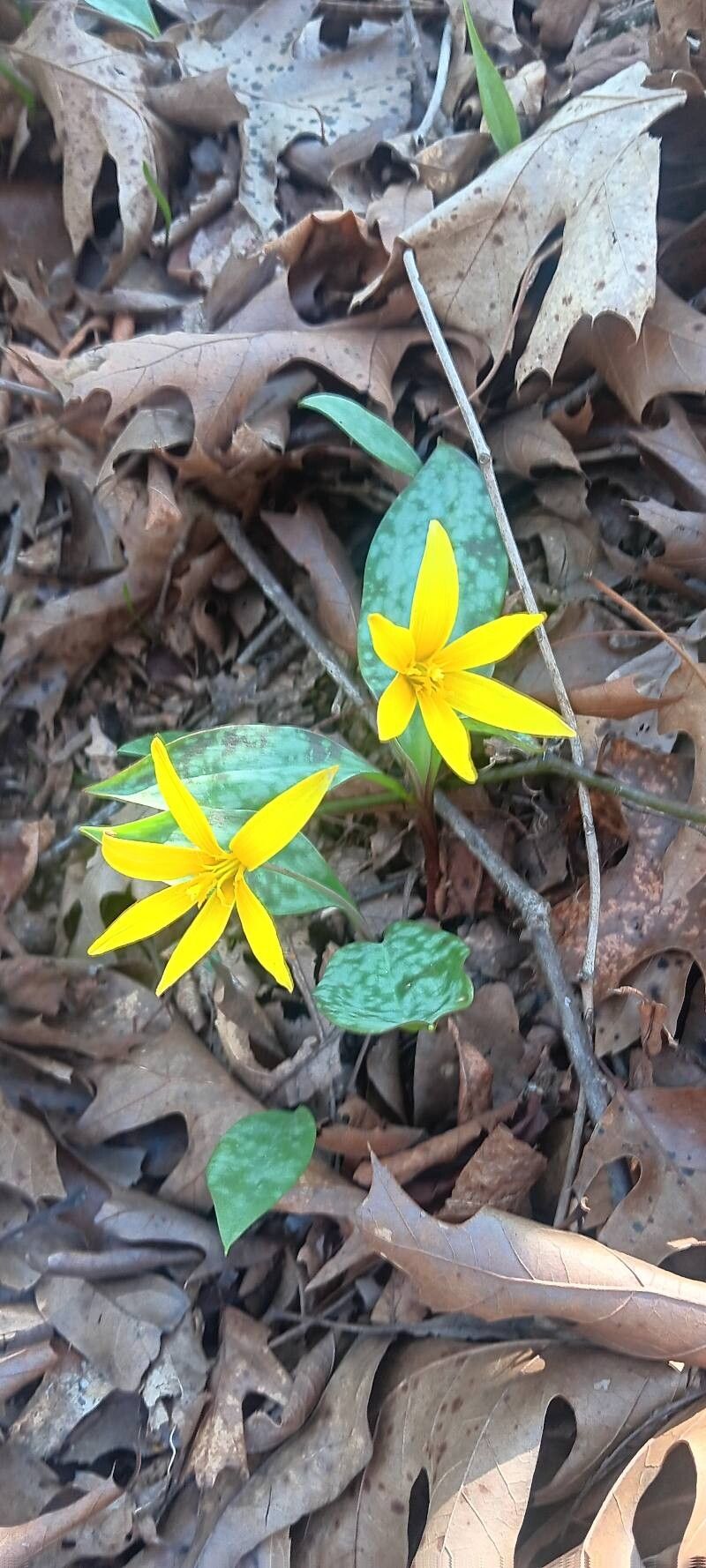
The Erythronium rostratum, more affectionately known as the Yellow Fawn Lily, is a sight to behold. With its nodding, sunshine-yellow blooms and elegantly mottled leaves, this ephemeral beauty heralds the arrival of spring across the woodlands of eastern North America. While admiring these fleeting wildflowers in their natural habitat is a joy, why not invite their charm into your own garden?
Propagating Yellow Fawn Lilies might seem like a task for seasoned gardeners, but fear not! With a little patience and the right know-how, you can cultivate these woodland treasures and enjoy their sunny disposition year after year.
Two Pathways to Propagation: Seed vs. Offsets
Yellow Fawn Lilies offer two primary methods of propagation: seeds and offsets. Each approach comes with its own set of rewards and challenges:
1. The Art of Seed Propagation: A Long-Term Investment
Propagating Yellow Fawn Lilies from seed is a labor of love, yielding blooms only after a few years. Don’t let the timeline deter you; witnessing the life cycle of these wildflowers is an experience in itself. Here’s a step-by-step guide:
- Collection and Sowing: Gather ripe seeds in late spring or early summer. Look for swollen seed pods that are starting to turn brown. Sow the seeds immediately in a well-draining seed starting mix, as they are prone to drying out.
- Patience is Key: Place the seed trays in a cold frame or sheltered outdoor location. Simulate the natural stratification process by subjecting the seeds to cold, moist conditions throughout winter.
- Spring Awakening: With the arrival of spring, you’ll notice the first signs of life. Tiny seedlings will emerge, gradually developing into sturdy young plants.
- Transplant Time: Once the seedlings are large enough to handle, transplant them to your garden in a shady spot with humus-rich, well-drained soil.
2. Offsets: A Quicker Route to Blooms:
For those eager to enjoy a vibrant display sooner, propagating through offsets is the way to go. Yellow Fawn lilies produce small bulbs (offsets) attached to the parent bulb. Here’s how to propagate using this method:
- Time it Right: The ideal time to divide and plant offsets is during the plant’s dormant season, typically in late summer after the foliage has withered.
- Gentle Separation: Carefully dig around the parent bulb and gently detach the offsets. Ensure each offset has a good root system attached.
- Planting Time: Plant the offsets immediately in their desired location, ensuring the same depth as the parent bulb.
Essential Care for Thriving Yellow Fawn Lilies
Whether starting from seed or offsets, these care tips will ensure your Yellow Fawn Lilies thrive:
- Shady Retreat: Mimic their natural woodland habitat by providing dappled shade to partial sun.
- Well-Drained Soil: Ensure excellent drainage to prevent bulb rot. Amend heavy clay soils with organic matter.
- Moist, But Not Soggy: Water consistently during the growing season but avoid overwatering.
By embracing these propagation techniques and providing the ideal growing conditions, you can welcome the enchanting allure of Yellow Fawn Lilies into your own garden sanctuary. Just imagine the delight of witnessing these sun-kissed blooms herald the arrival of spring, year after year.