
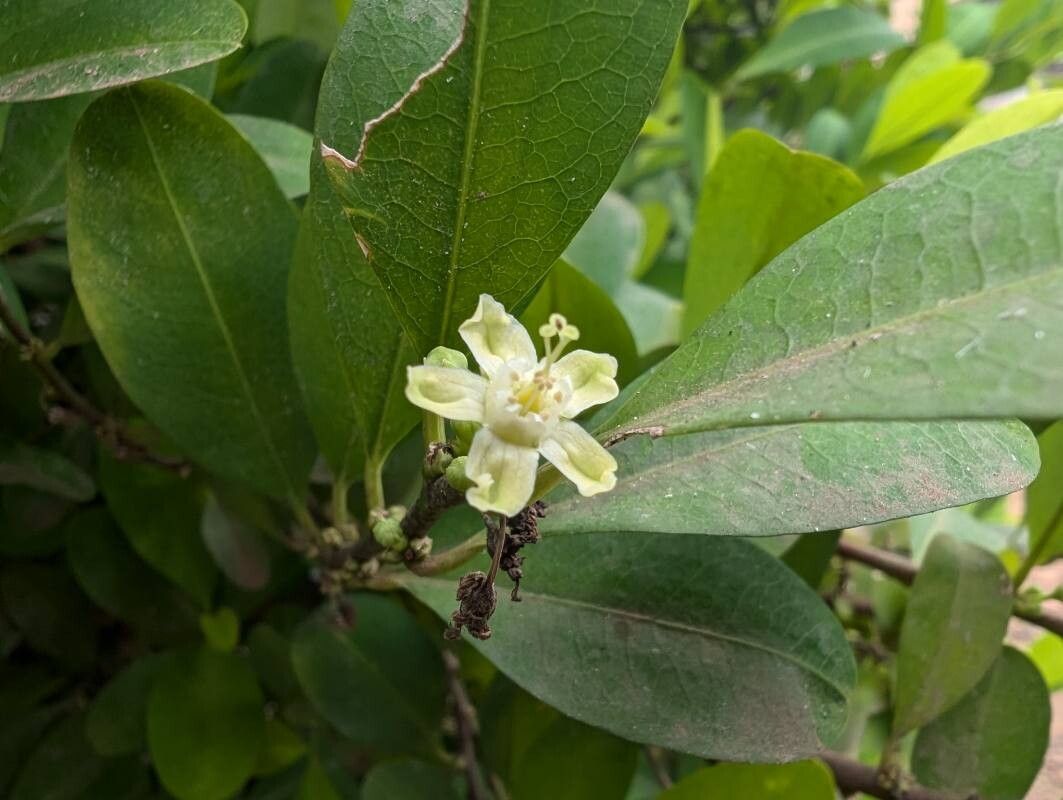
Propagating Erythroxylum novogranatense: A Gardener’s Guide to Coca
Erythroxylum novogranatense, commonly known as coca, is a fascinating and historically significant plant species. This shrub, native to the Andes, is prized for its leaves, traditionally used by indigenous cultures for medicinal and ceremonial purposes. While its association with cocaine production has cast a long shadow, coca holds horticultural interest for its attractive, small white flowers and glossy, elliptical leaves. Its propagation, however, presents several challenges that make successful cultivation a rewarding endeavor. This article explores various methods of propagating Erythroxylum novogranatense, outlining their viability and practicality.
Seed Germination:
Currently, there are no known reliable methods for seed germination propagation of Erythroxylum novogranatense. While seeds may be produced, their viability is extremely low, and successful germination rates are rarely reported in horticultural settings. This is likely due to a complex interplay of factors including the need for very specific environmental conditions and potentially short-lived seed viability. Further research is needed to determine effective germination protocols.
Cuttings:
Cuttings offer a more promising approach to propagating coca.
- Challenges: E. novogranatense cuttings can be slow to root and require high humidity and consistent warmth. The success rate can be variable, and fungal diseases can be a significant issue.
- Practical Tips: Semi-hardwood cuttings taken in late spring or early summer show the best results. Dip cuttings in rooting hormone before planting in a well-draining, moist propagation mix. Maintain high humidity using a humidity dome or regular misting. A bottom heat mat can significantly improve rooting success. Provide bright, indirect light.
- Rewards: Cuttings preserve the genetic characteristics of the parent plant, ensuring uniformity in subsequent generations. This method is relatively straightforward compared to other techniques and allows for manageable propagation in home settings.
Division:
Division as a propagation method for Erythroxylum novogranatense is not typically employed. This plant doesn’t readily form clumping growths amenable to division like some other shrubs.
Tissue Culture:
Tissue culture offers the potential for large-scale and rapid propagation of coca.
- Challenges: Developing an efficient tissue culture protocol for E. novogranatense requires specialized knowledge, equipment, and a sterile laboratory environment. Contamination is a major concern. Optimal media composition and growth regulators need to be carefully determined.
- Practical Tips: Expertise in plant tissue culture is essential. This method often involves establishing aseptic cultures from shoot tips or nodal segments, followed by multiplication on suitable growth media, and ultimately, rooting of plantlets before acclimatization to greenhouse conditions.
- Rewards: Tissue culture allows for rapid multiplication of elite genotypes, disease-free plants, and large-scale production for research or commercial purposes.
Conclusion:
Propagating Erythroxylum novogranatense presents a unique set of challenges. While seed germination is largely unreliable, cuttings offer a feasible method for home gardeners, although patience and attention to detail are crucial for success. Tissue culture, though demanding in terms of resources and expertise, holds the greatest potential for mass propagation. The inherent difficulties involved in cultivating this plant only amplify the satisfaction of successful propagation. For aspiring propagators, remember that persistence and meticulous attention to detail are key. Start with cuttings, paying close attention to environmental factors and sanitation. Even small successes will contribute to the understanding and appreciation of this remarkable, if controversial, plant.