
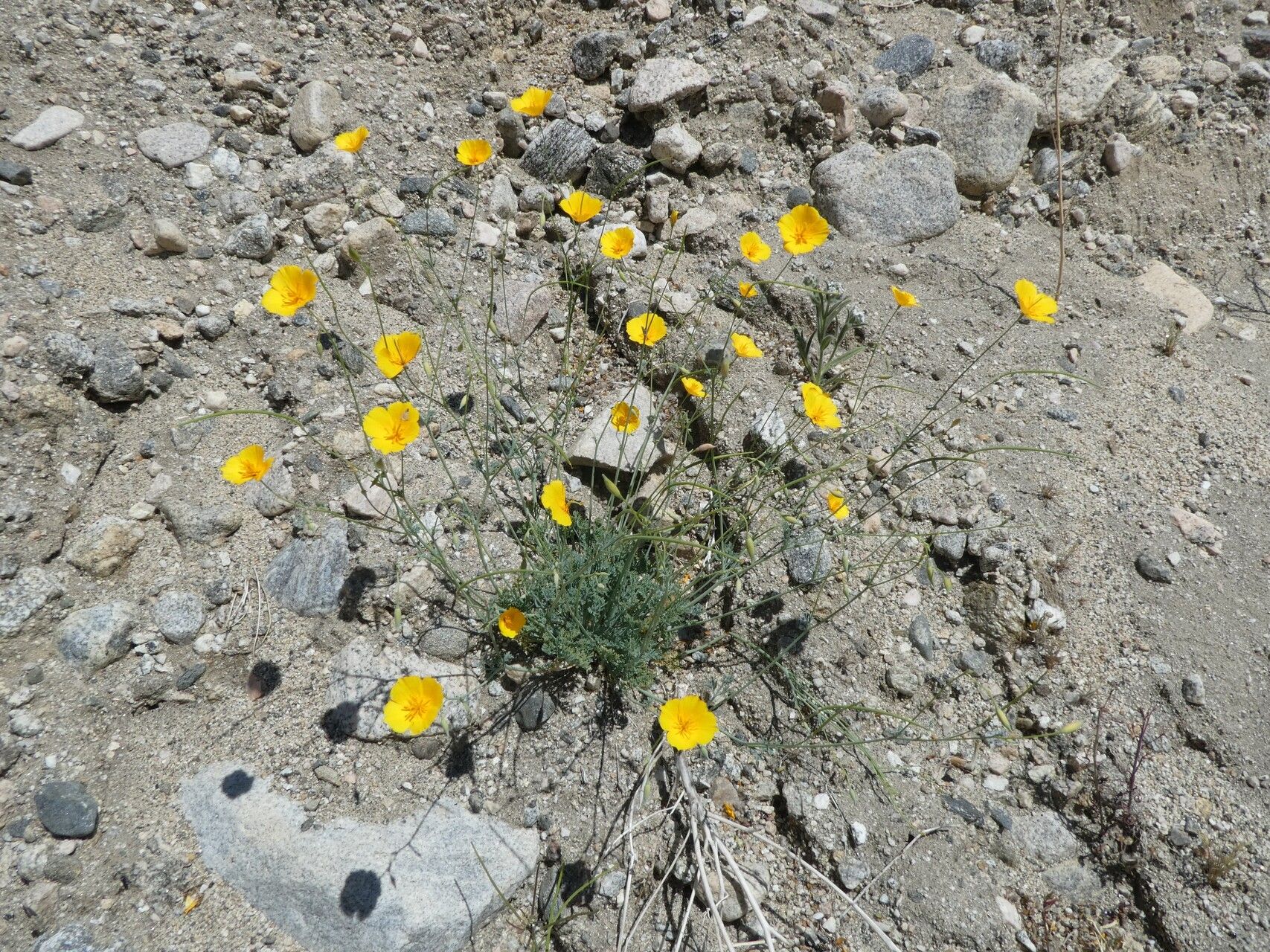
Propagating the Parish’s Poppy: A Guide to Eschscholzia parishii
Introduction:
Eschscholzia parishii, commonly known as Parish’s poppy, is a captivating Californian endemic boasting delicate, silken, pale yellow to cream-colored blooms. This rare and charming wildflower is highly prized by gardeners for its ethereal beauty and adaptability to well-drained soils. However, its limited natural range and specific environmental needs present unique challenges to its propagation. This guide explores various techniques, weighing the rewards against the inherent difficulties of successfully cultivating this unique plant.
Seed Germination:
Seed germination is a viable method for propagating Eschscholzia parishii, though it presents challenges. The success rate can be variable, influenced heavily by environmental conditions and the freshness of the seeds.
Challenges: Parish’s poppy seeds require specific conditions for optimal germination. They are known to exhibit dormancy, and while stratification (chilling moist seeds for several weeks) may improve germination rates, it isn’t always necessary. Overwatering can lead to fungal diseases and seed rot.
Practical Tips: Sow seeds directly outdoors in well-drained soil mimicking its native habitat during the fall or early spring. Maintain consistent moisture, but avoid waterlogging. Thin seedlings to allow for adequate spacing once they’ve established. Consider using a fine-mesh sieve to separate the small seeds for more even sowing.
Rewards: Seed propagation offers the highest potential for genetic diversity, crucial for preserving the species’ adaptability. It’s also a cost-effective method enabling large-scale propagation for conservation efforts or wider horticultural distribution.
Cuttings:
Currently, there are no known reliable methods for propagation of Eschscholzia parishii from cuttings. The success rate is extremely low, likely due to the plant’s physiology and susceptibility to rot.
Division:
Division is not a practical method for propagating Eschscholzia parishii. This species typically doesn’t form dense clumps suitable for division. Attempting to divide the root system would likely damage the plant severely, leading to mortality.
Tissue Culture:
While not widely practiced for Eschscholzia parishii, tissue culture offers a potential avenue for propagation.
Challenges: Establishing sterile culture conditions and identifying optimal media formulations for successful shoot multiplication and rooting are significant challenges requiring specialized expertise and laboratory facilities.
Practical Tips: This method requires a controlled environment with specialized equipment and media. Research into appropriate growth regulators and sterilization techniques is crucial.
Rewards: Tissue culture offers the possibility of large-scale propagation of genetically uniform plants, useful for conservation or commercial production. It bypasses many of the challenges associated with seed germination and drastically increases the success rate when mastered.
Conclusion:
Propagating Eschscholzia parishii presents unique difficulties across all methods considered. While seed germination offers the most accessible route, its unpredictable success rate requires patience and keen observation. Cuttings and division are largely impractical. Tissue culture, though promising, requires specialized knowledge and resources. Despite these challenges, the unique beauty and conservation value of Parish’s poppy make the effort worthwhile. The ultimate reward lies not just in successfully cultivating this rare plant, but in contributing to its preservation and appreciation. For aspiring propagators, patience, a thorough understanding of its habitat requirements, and potentially exploring tissue culture techniques, will be key to achieving success with this remarkable Californian wildflower.